Ólavsøka
A Nation Remembering Itself
Story by Steve Fagan
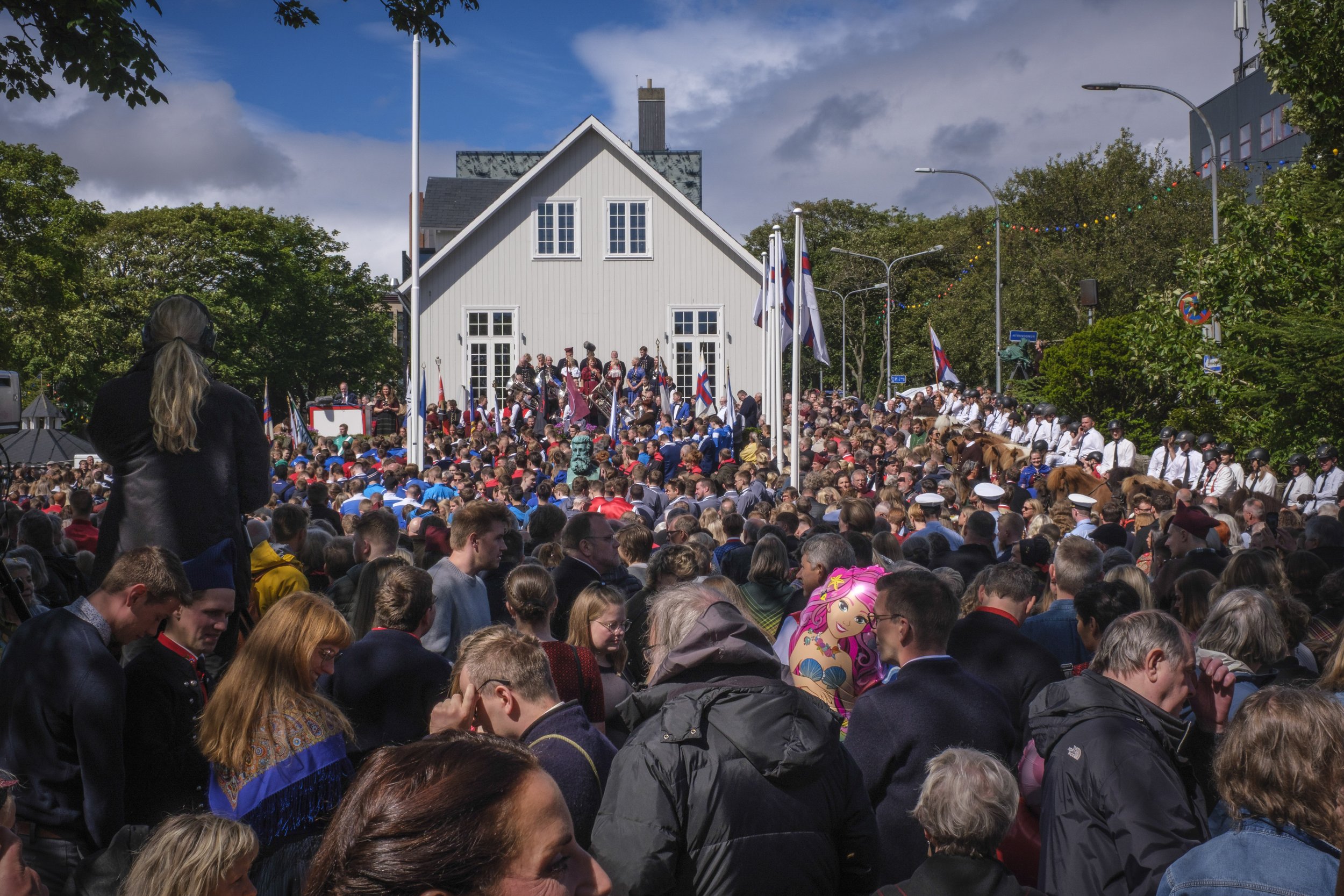
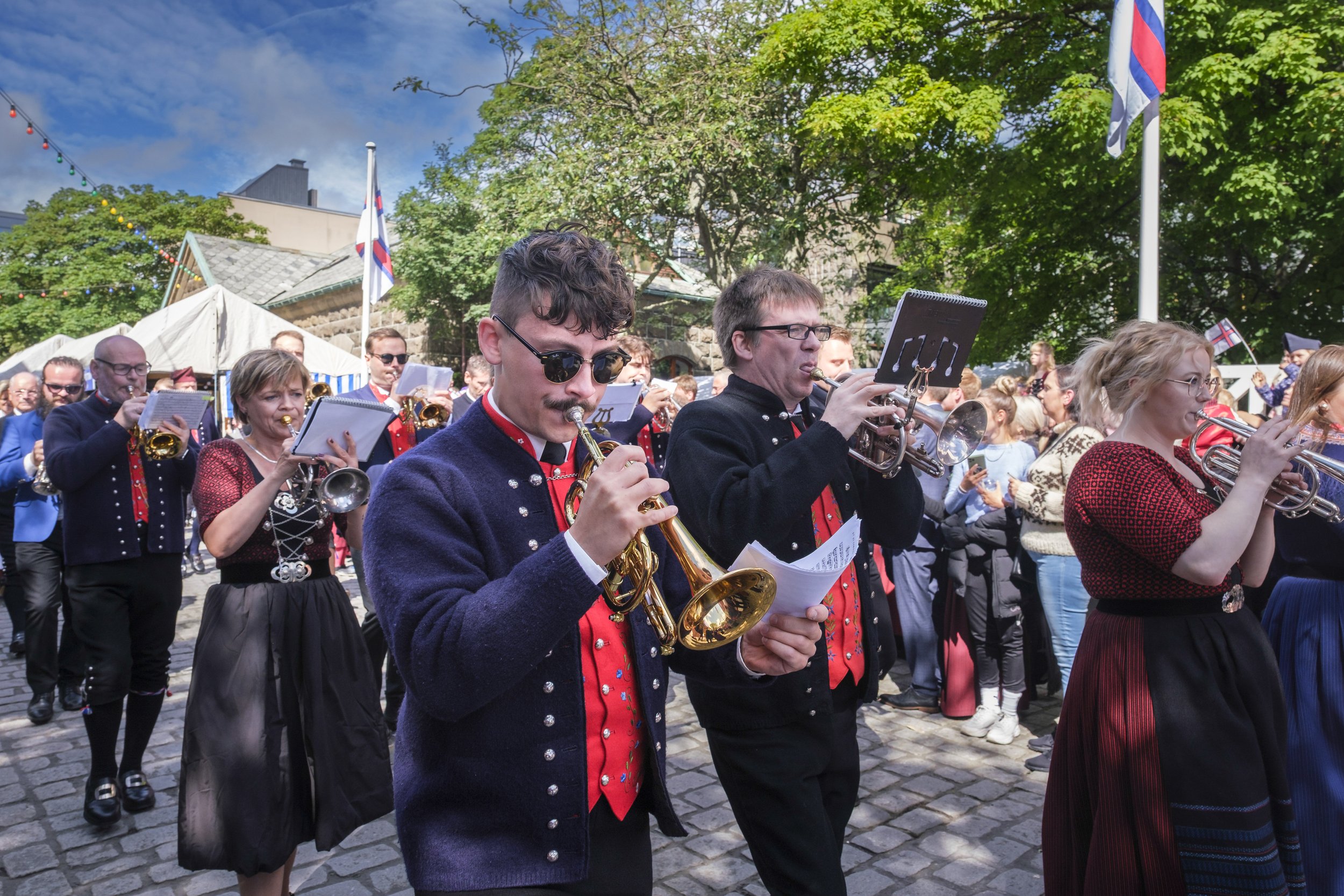
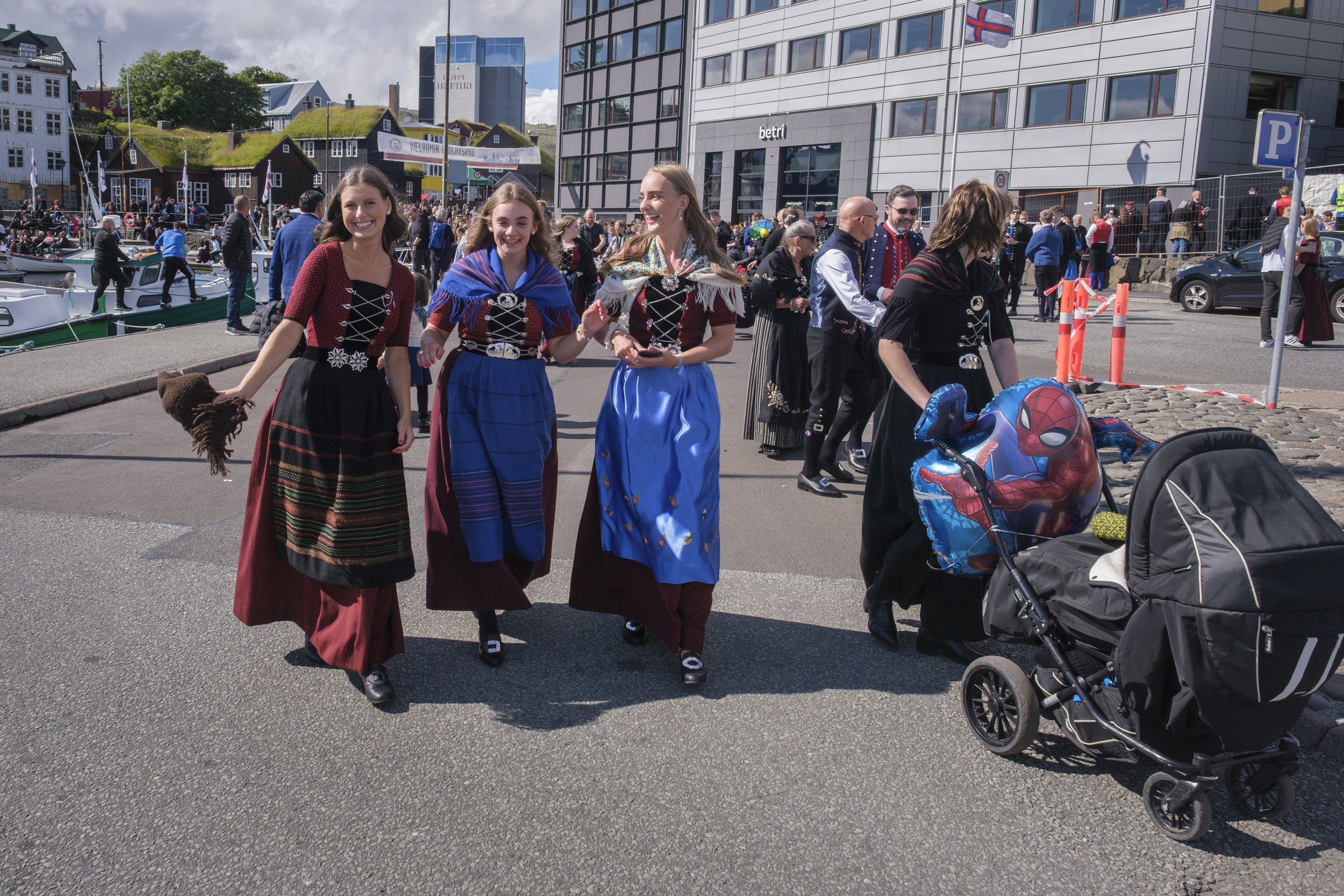
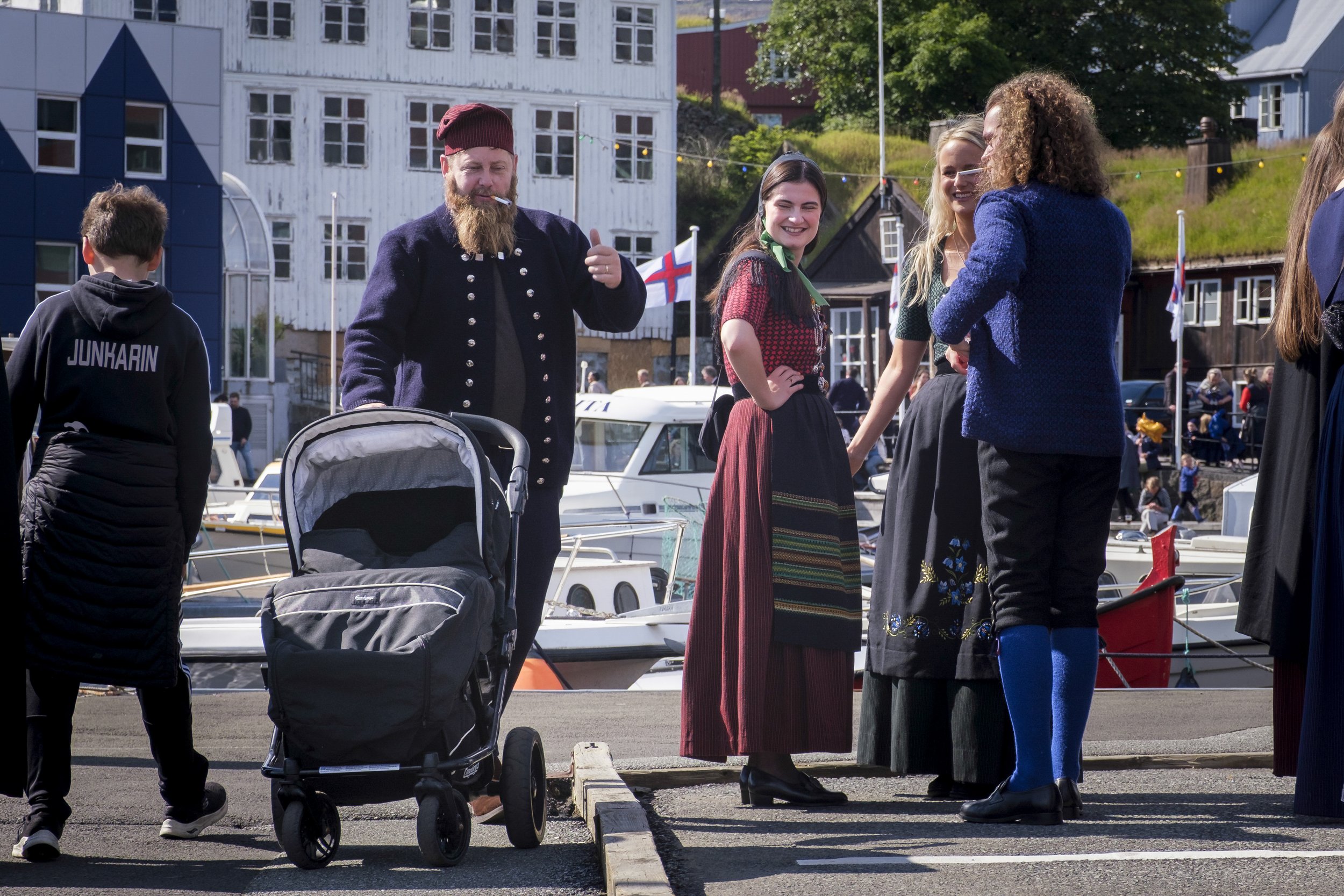
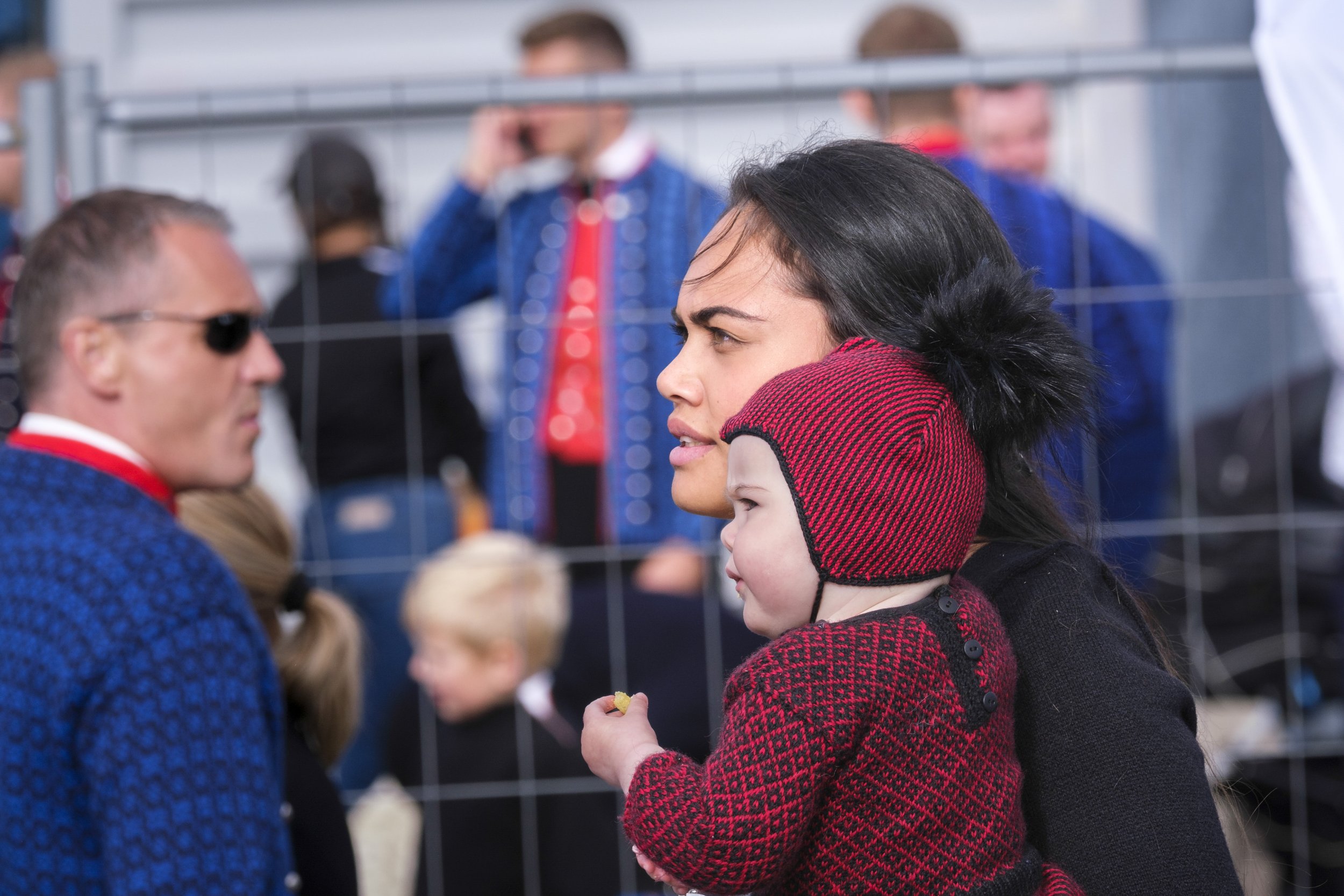
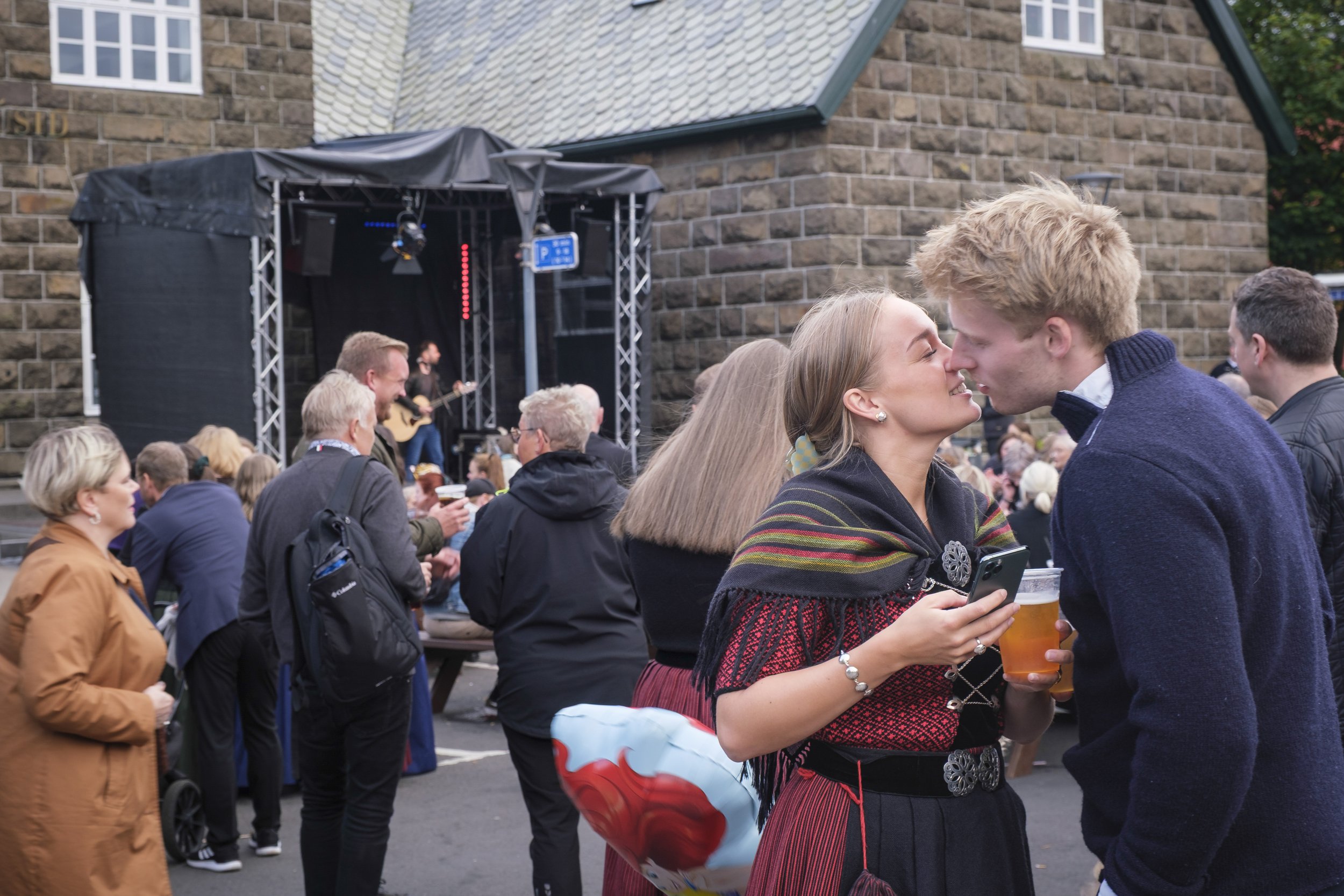
By mid-morning, the streets of Tórshavn were already full. Music carried through the harbor, voices overlapped, and people moved shoulder to shoulder through narrow streets that, only days earlier, had felt quiet and unhurried. Nearly everyone I passed wore traditional Faroese dress — intricately woven, richly colored, and worn with a confidence that made it clear this was not costume, but identity.
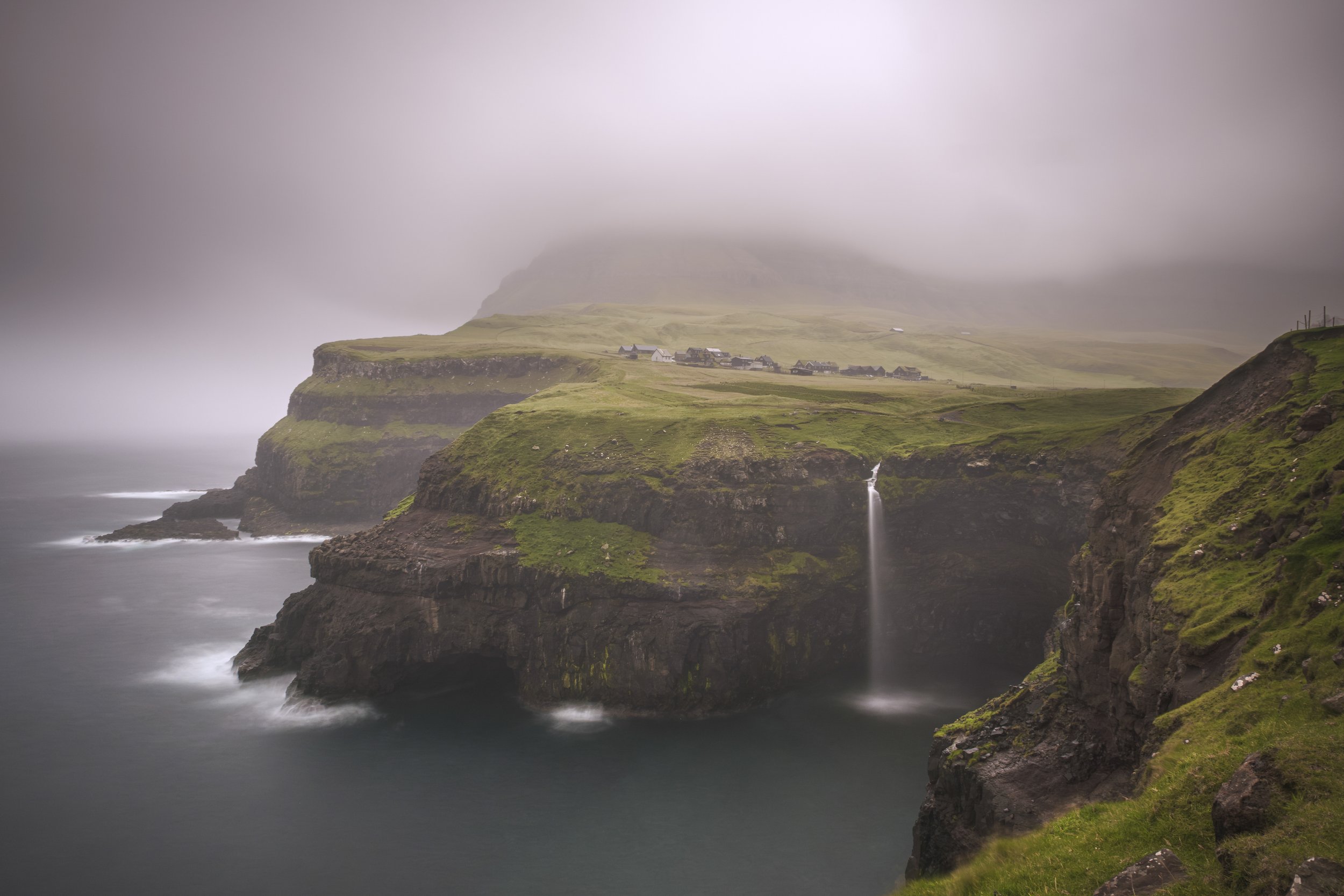
I had not expected this. After a week of traveling through the Faroe Islands, photographing cliffs, valleys, and fishing villages, I had come to associate the place with openness and solitude — but also with ruggedness, isolation, and a landscape shaped by weather and hardship.
Ólavsøka, literally Saint Olaf’s Wake, is the Faroe Islands’ two-day National Day, a celebration rooted in centuries of tradition that draws people from across the Faroes to Tórshavn each July. It revealed something entirely different. The capital felt transformed, dense with people and energy, as if the entire nation had gathered in one place.
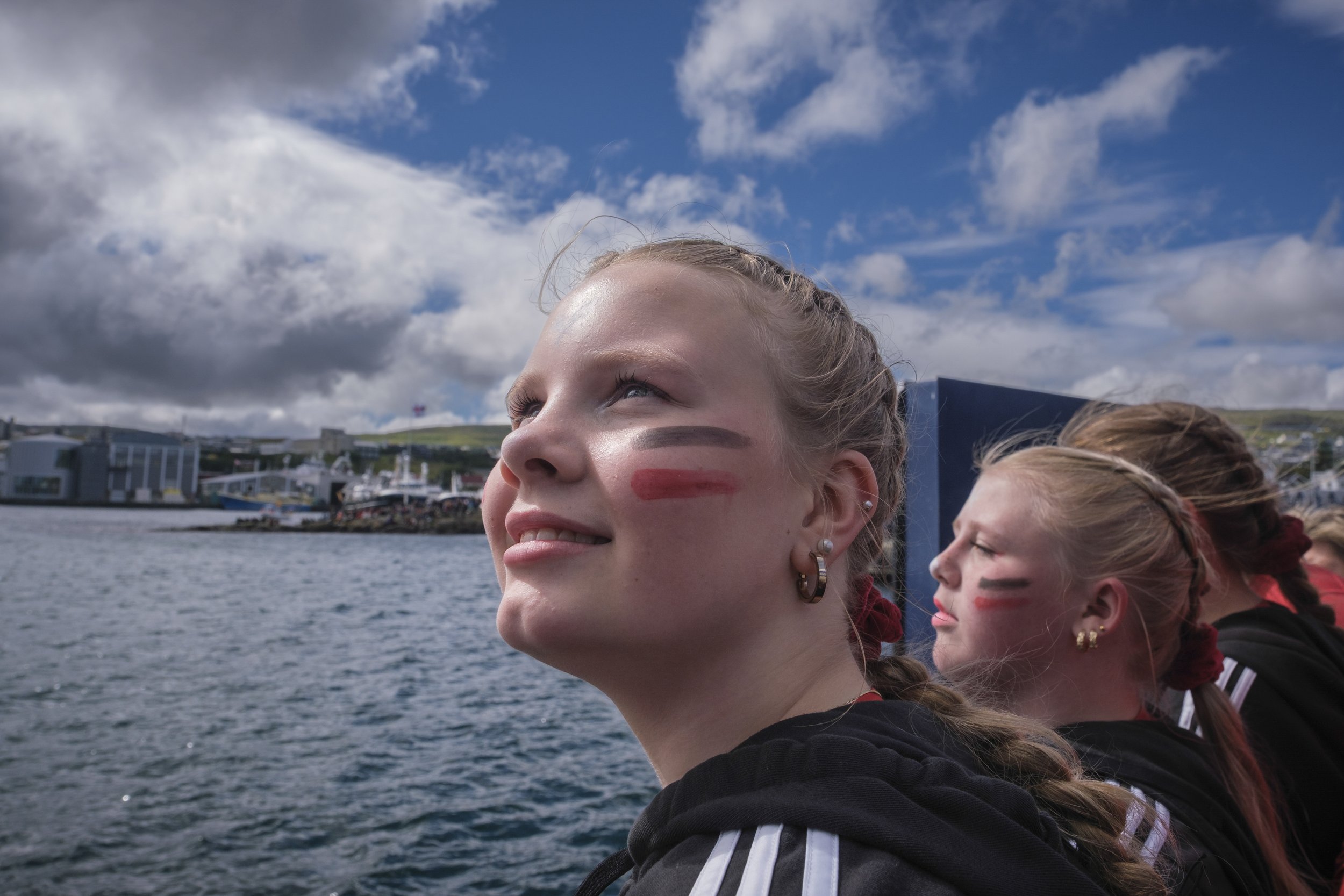
What struck me most was not the scale of the celebration, but its inward focus. This was not a performance staged for visitors. It felt communal and grounded — a day meant first and foremost for the Faroese themselves. Pride was everywhere, but it was not loud or declarative. It was carried quietly, through participation, tradition, and shared presence.
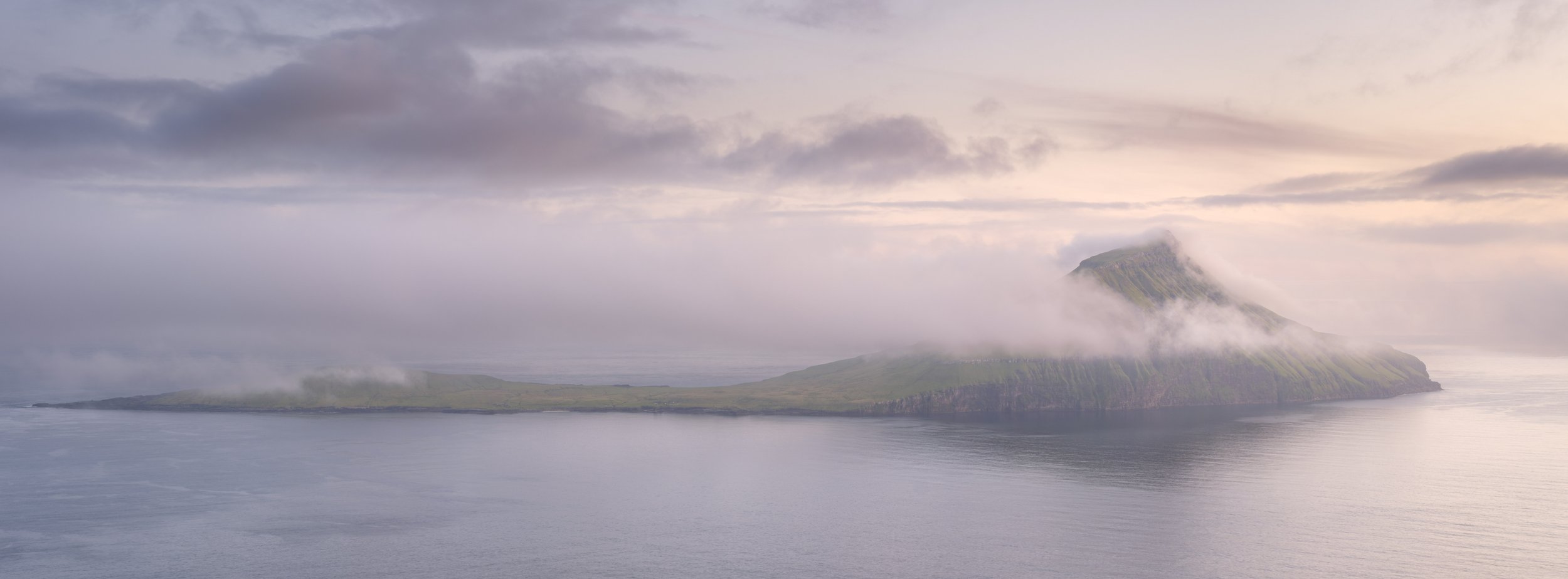
The Faroe Islands are a remote archipelago of eighteen islands in the North Atlantic, home to just over 55,000 people. Life here has long required resilience and cooperation, shaped by distance, weather, and dependence on both land and sea. Over time, those realities have forged a strong sense of identity — one rooted in continuity rather than display.
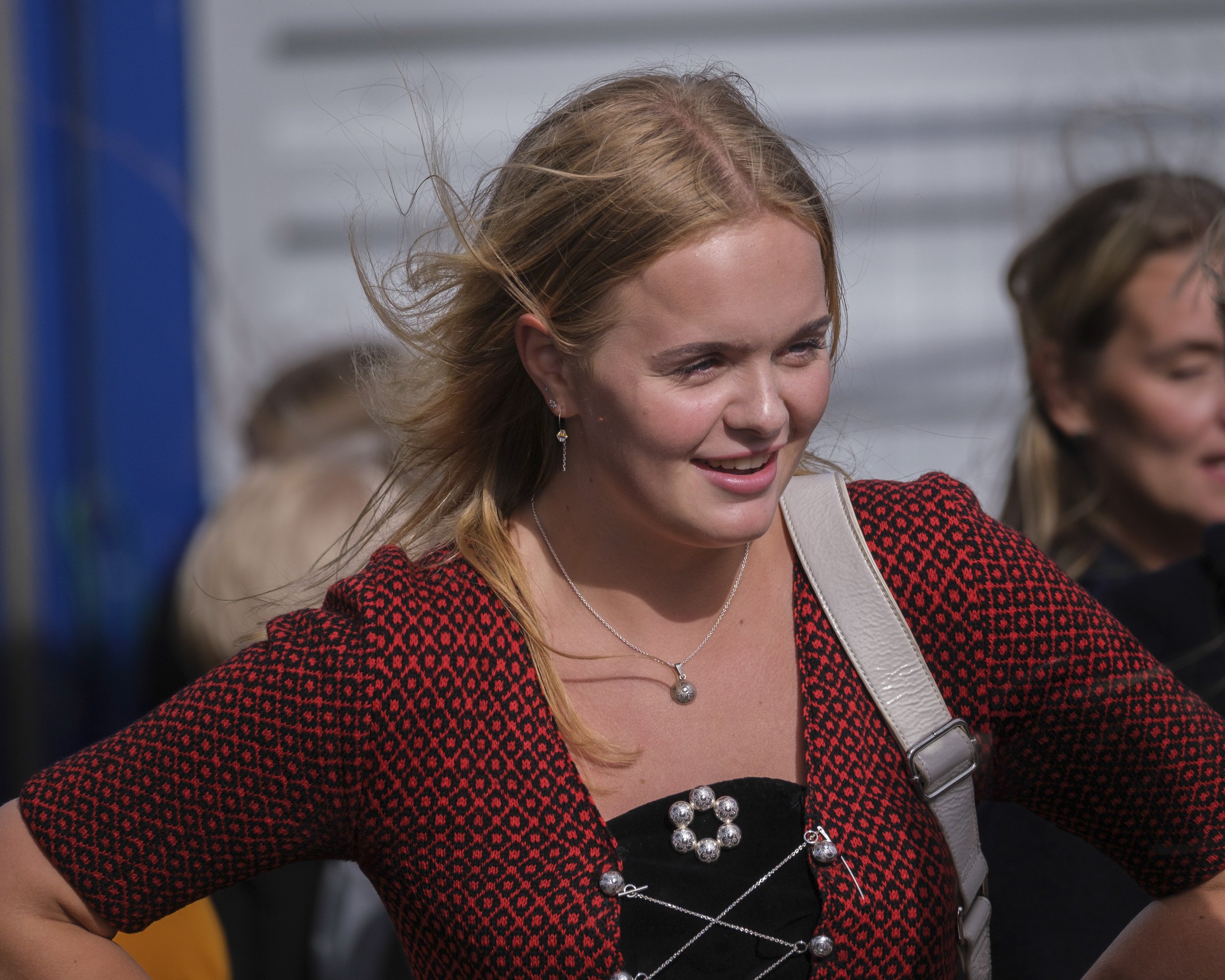
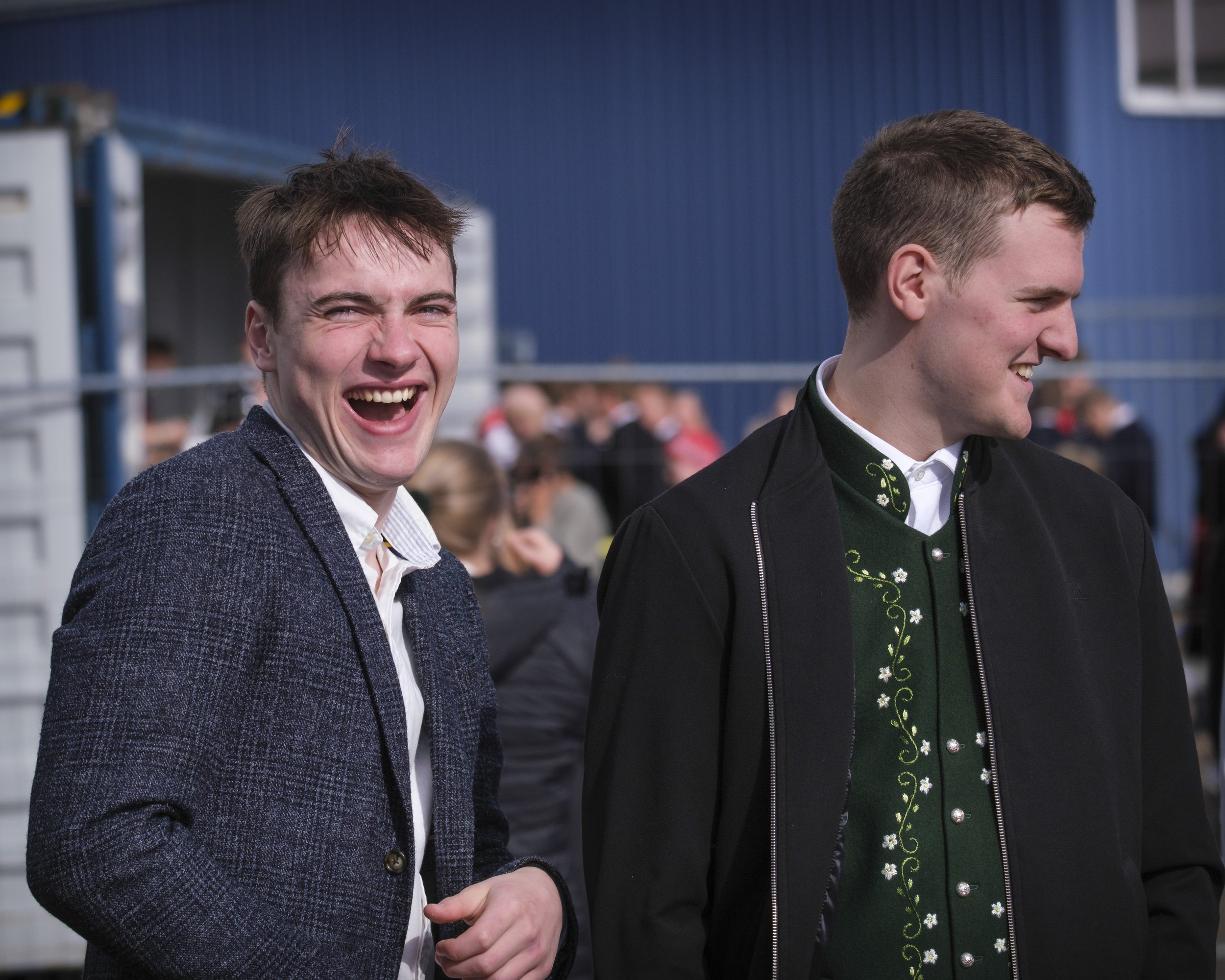
That continuity was most visible in the clothing worn throughout the day. Reserved for only the most significant occasions, traditional Faroese dress appeared on everyone from young children to elders. Seeing it worn so naturally made clear that this was not nostalgia. It was something lived and passed on.
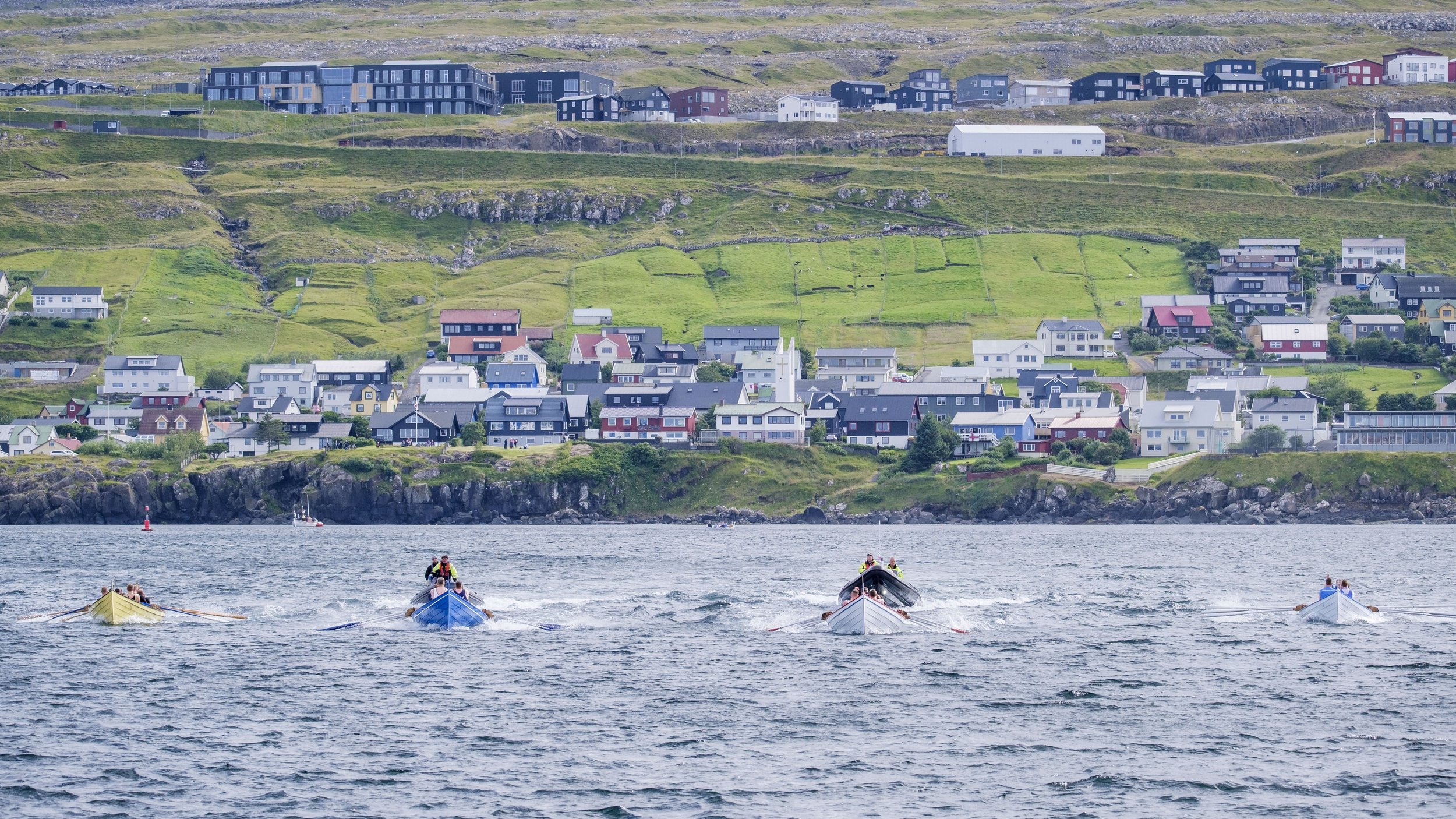
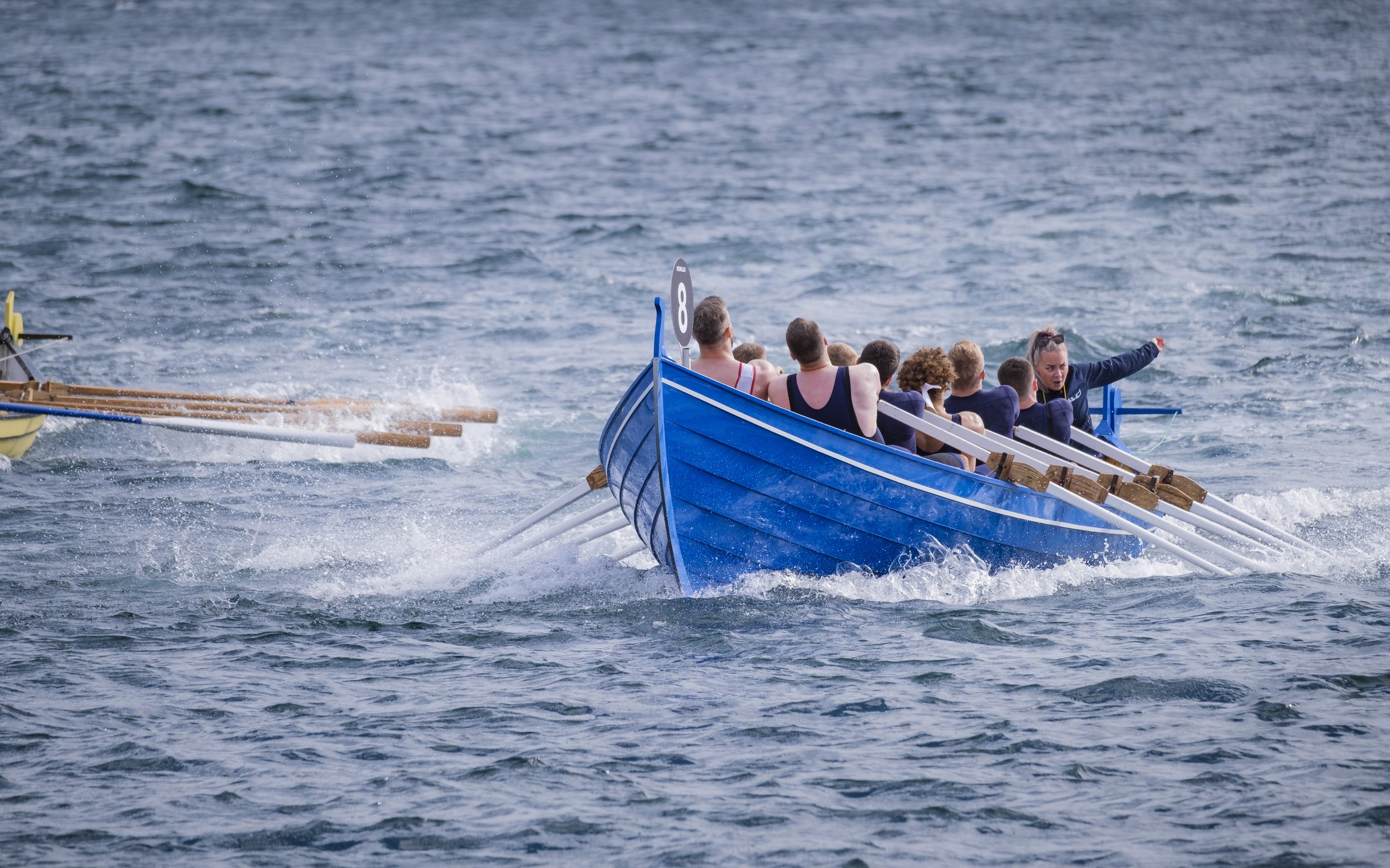
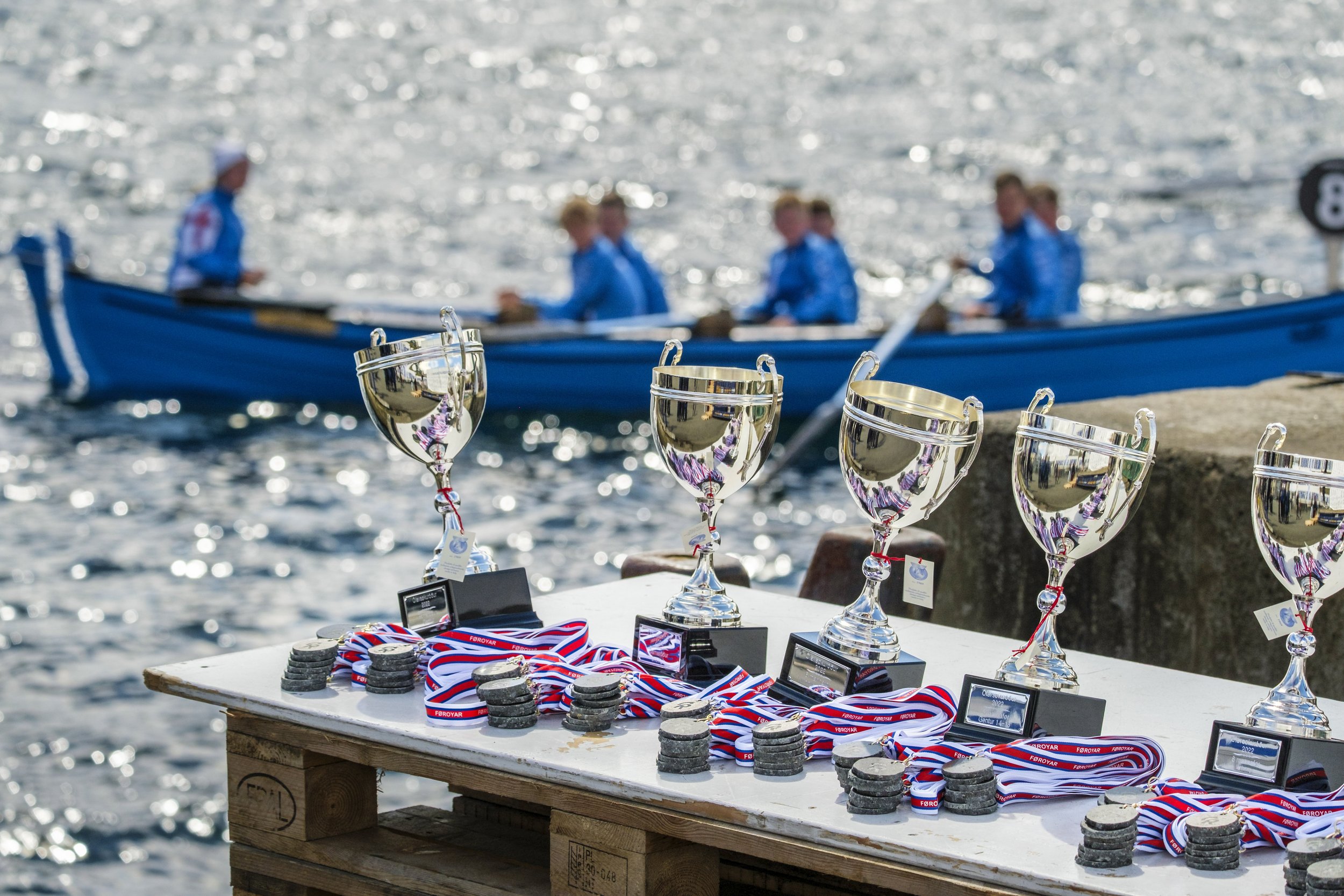
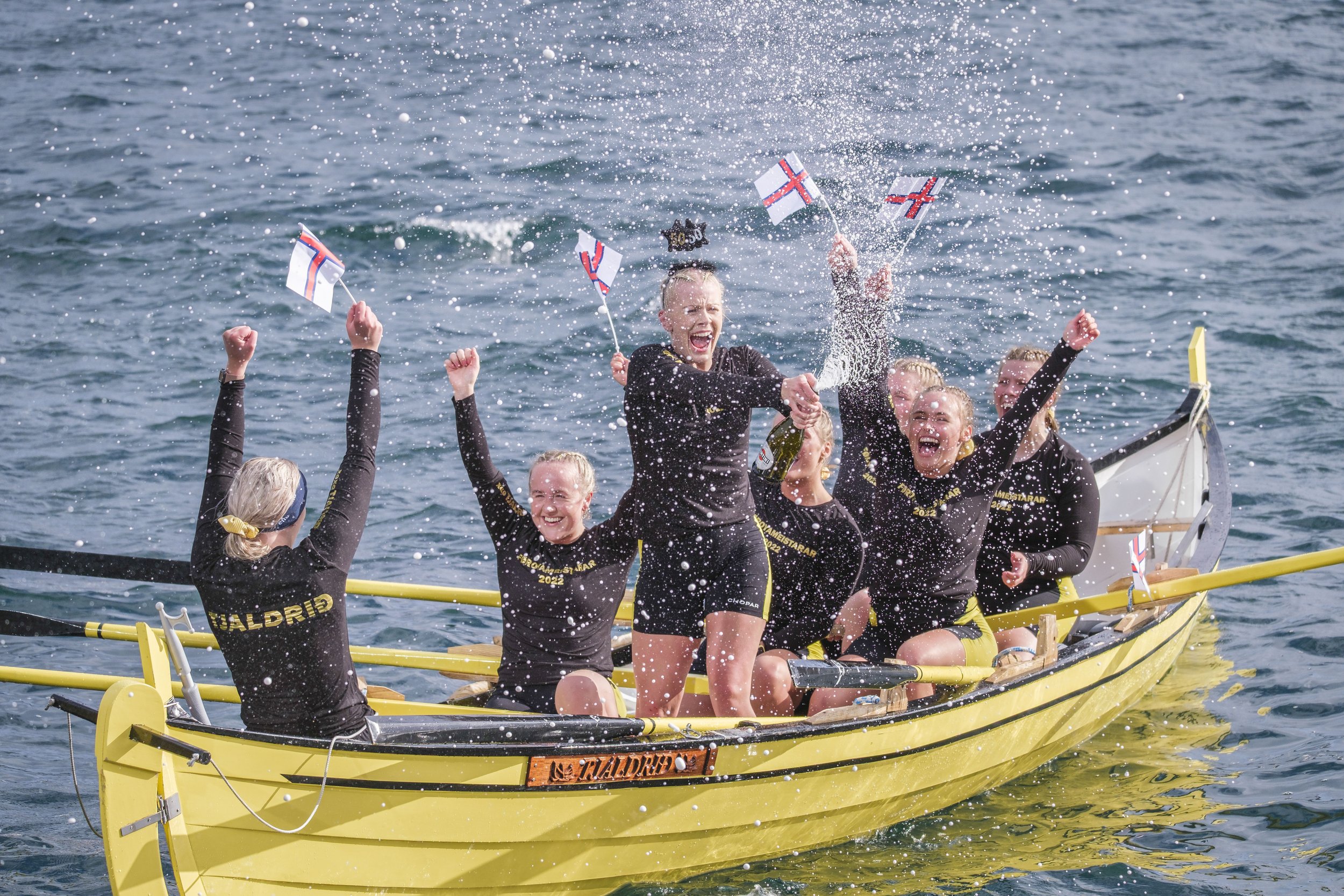
As the day unfolded, attention turned toward the water. Sea rowing, the national sport of the Faroe Islands, is woven deeply into Ólavsøka. Races take place throughout the summer in villages across the islands, culminating in finals held in Tórshavn on National Day, a tradition stretching back nearly 150 years.
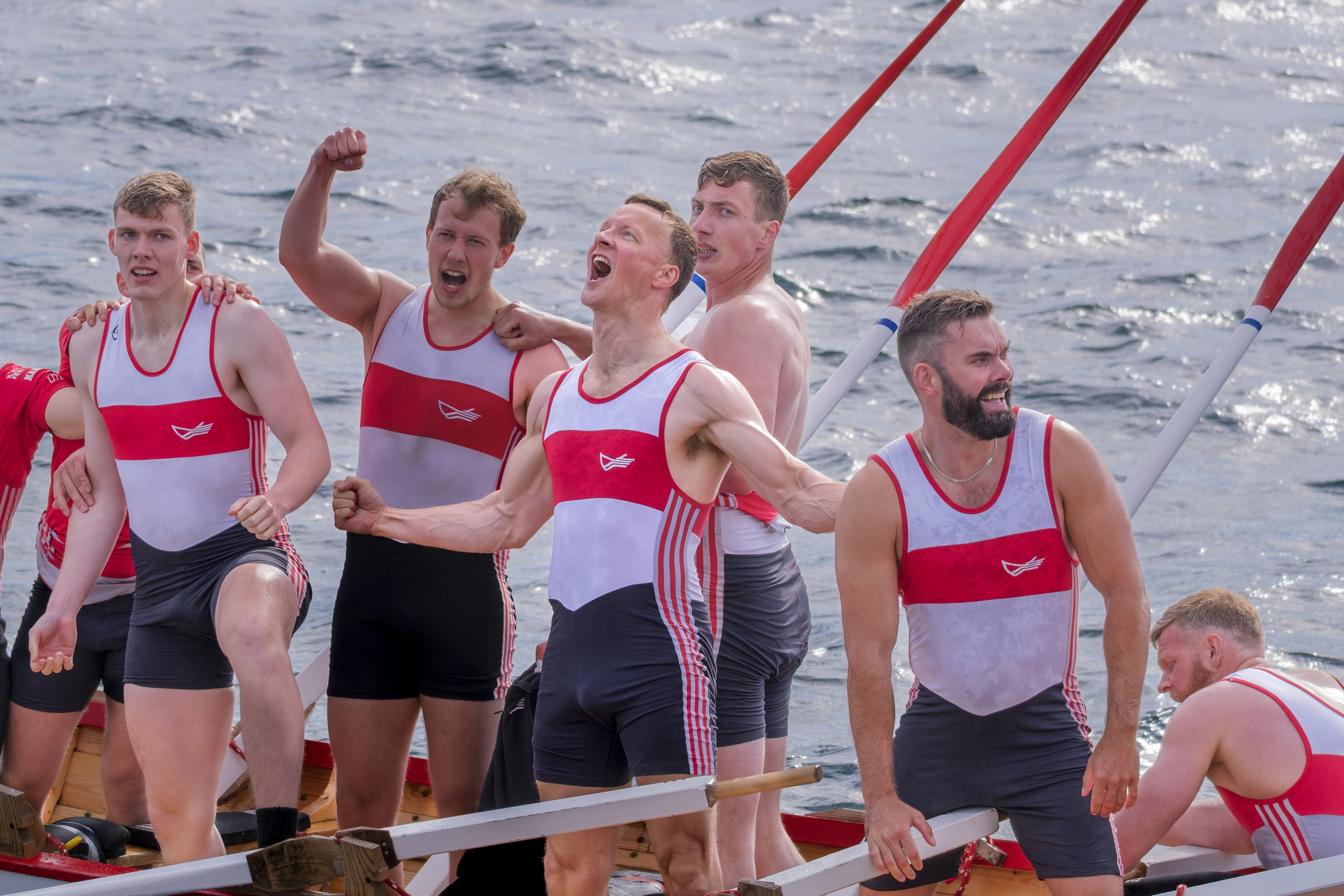
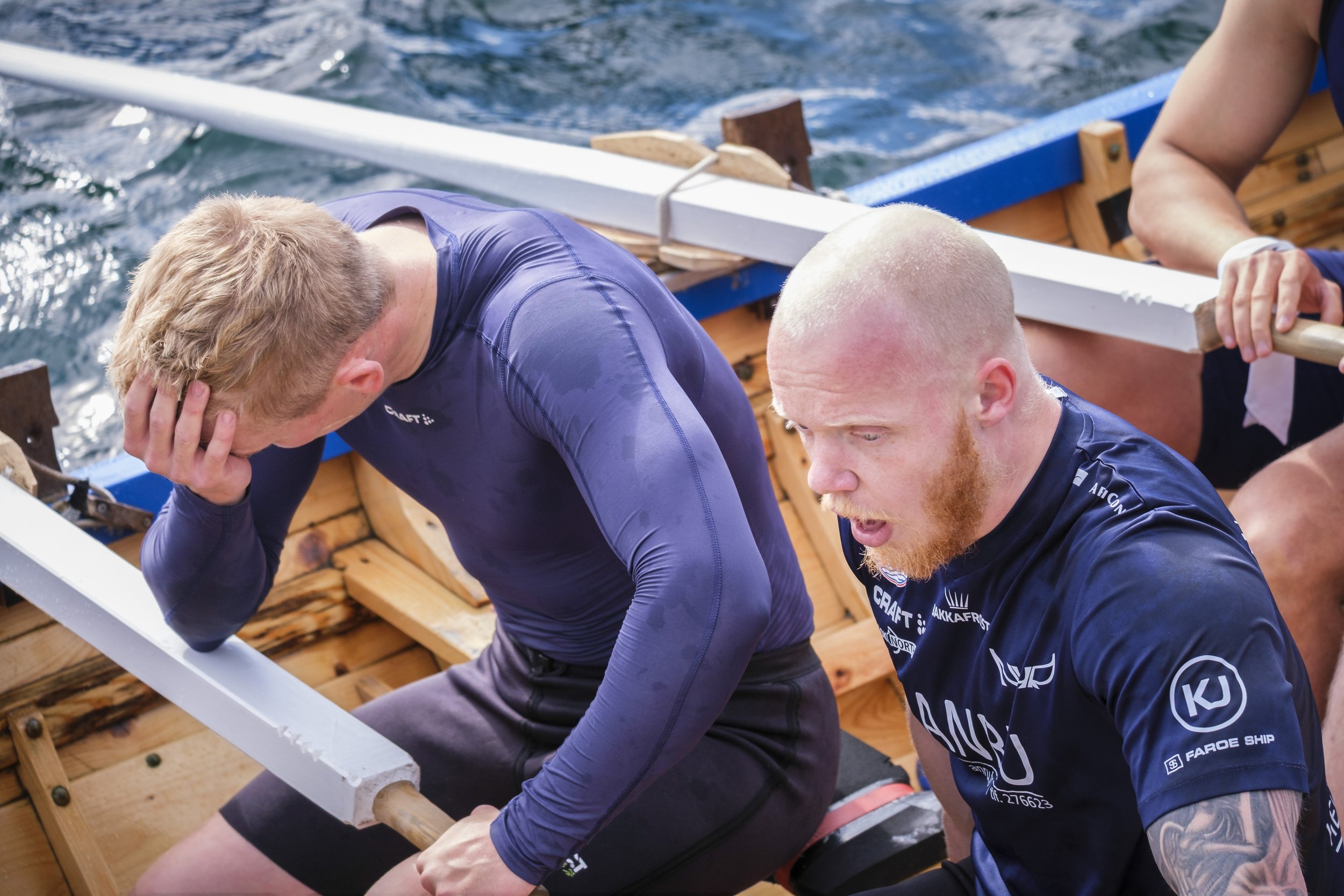
The races were intense and physical. Oars struck the water in unison, boats surged forward, and effort was written plainly across the faces of the rowers. For some there was elation and release; for others, disappointment ran just as deep. Yet win or lose, the race was never about individual triumph alone. It was a shared ritual — one that brought the community together through tradition, exertion, competition, and mutual respect.
Between moments of noise and motion, quieter scenes emerged. Children watched from shoulders. Couples stood close amid the crowd. Exhausted rowers sat drained and elated all at once. These moments felt as essential as the spectacle — reminders that Ólavsøka is lived not only collectively, but personally.
I had come to the Faroe Islands to photograph a place shaped by weather, water, and distance. I found all of that. But it was Ólavsøka that stayed with me most. Through the people I met, watched, and photographed that day, I experienced a different kind of beauty — one rooted in shared history, pride, and belonging.
In Ólavsøka, the Faroese do not explain who they are. They simply gather and live it together. I was fortunate to witness it.
Olavsoka – Image Gallery ⟩