Vanishing Icons
The Relics Left to Time and the Elements
Story by Chadani Lama | Photographs by Steve Fagan
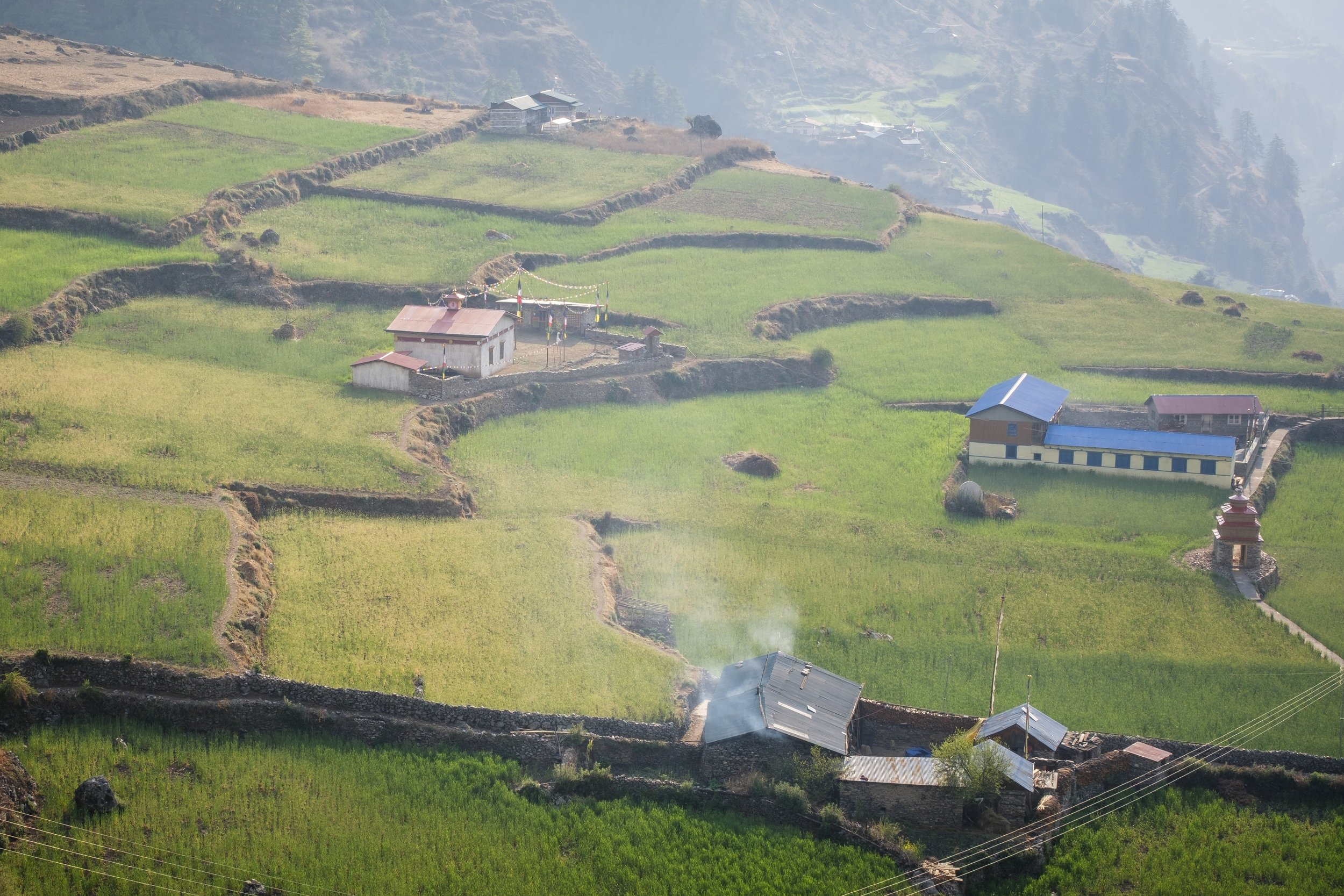
The first time I entered Tsum Valley, it was as if I crossed an invisible boundary, not between places, but between different times. It was my first experience in a truly remote, restricted Himalayan area, lacking roads, modern infrastructure, and the usual comforts of connectivity. Reaching it felt more like stepping into a time machine, like those seen in movies, transporting me centuries into the past. The change wasn’t abrupt or dramatic, but subtle and quiet. The air felt older, and the land seemed worn smooth by devotion. I remember stopping without intending to, captivated by a stillness that demanded my attention. I wondered how something could be so ancient and yet so vibrantly alive at once.
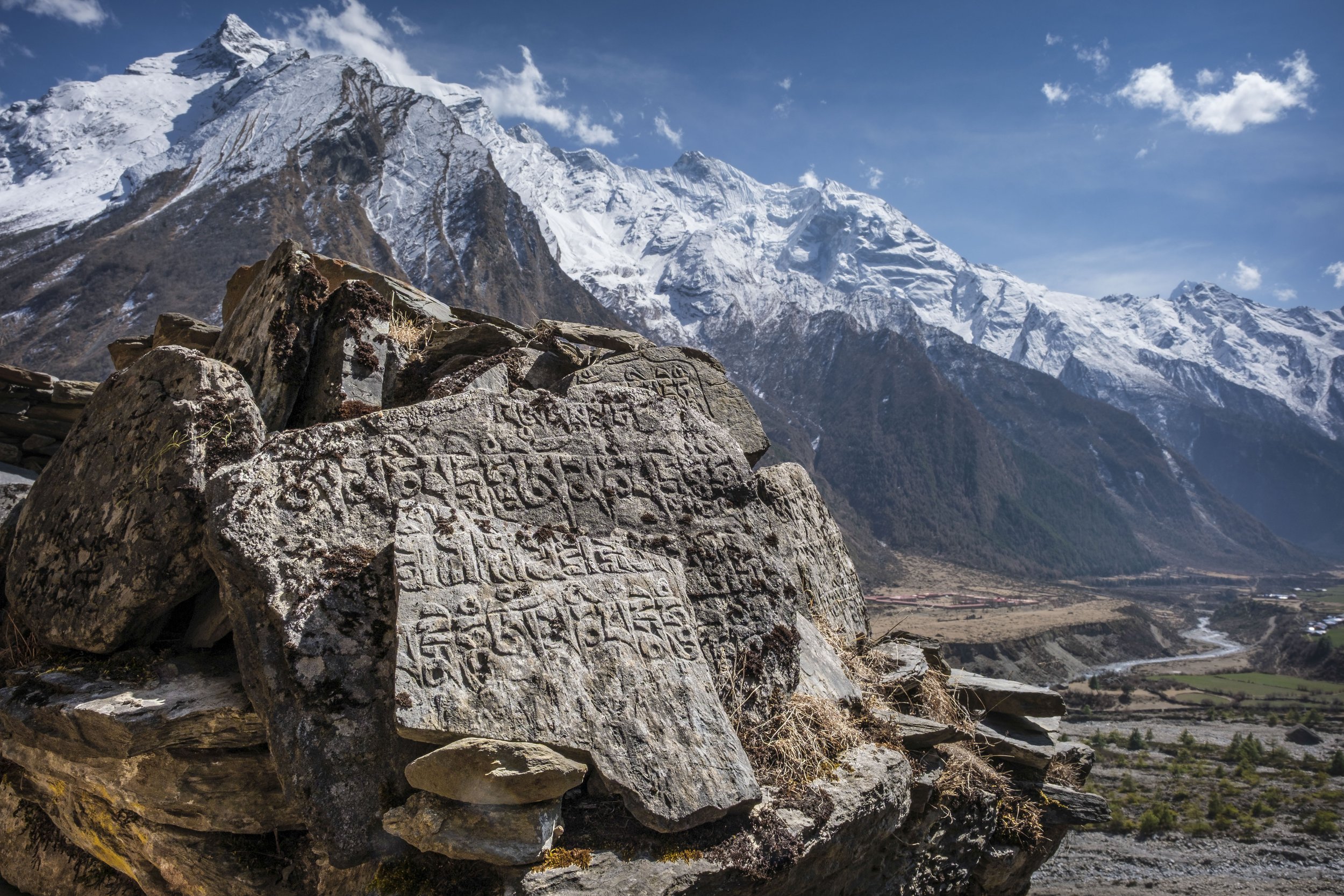
The valley is called a Beyul, a concealed land, believed to have been blessed and safeguarded by Guru Padmasambhava in the 8th century, ensuring the survival of sacred teachings during periods of war and chaos. Oral stories and local beliefs state that both Guru Rinpoche and the renowned yogi Milarepa traveled through Tsum during their Himalayan journeys, leaving spiritual marks that continue to shape the valley’s identity. Tsum’s earliest monasteries are nearly a thousand years old: Mu Gompa, thought to have been founded around the 11th–12th century, is among the highest and oldest monastic sites in the valley, while Rachen Gompa, established in the early 20th century on much older spiritual ground, became a key center for female monastic education. Gompa Lungtang, though more recent in construction, sits on the foundations of ancient retreat sites, meditation caves, and sacred spaces used for centuries by wandering yogis and practitioners. Long before roads, borders, or modern Nepal existed, Tsum served as a spiritual corridor, a place of retreat, transmission, and continuity, where Himalayan Buddhism developed in isolation, influenced more by altitude, climate, and devotion. This seclusion has allowed it to safeguard what matters most: a continuous tradition of Himalayan Buddhism and the physical symbols of faith created by many generations. In this community, relics are not just remnants of history; they are living presences.
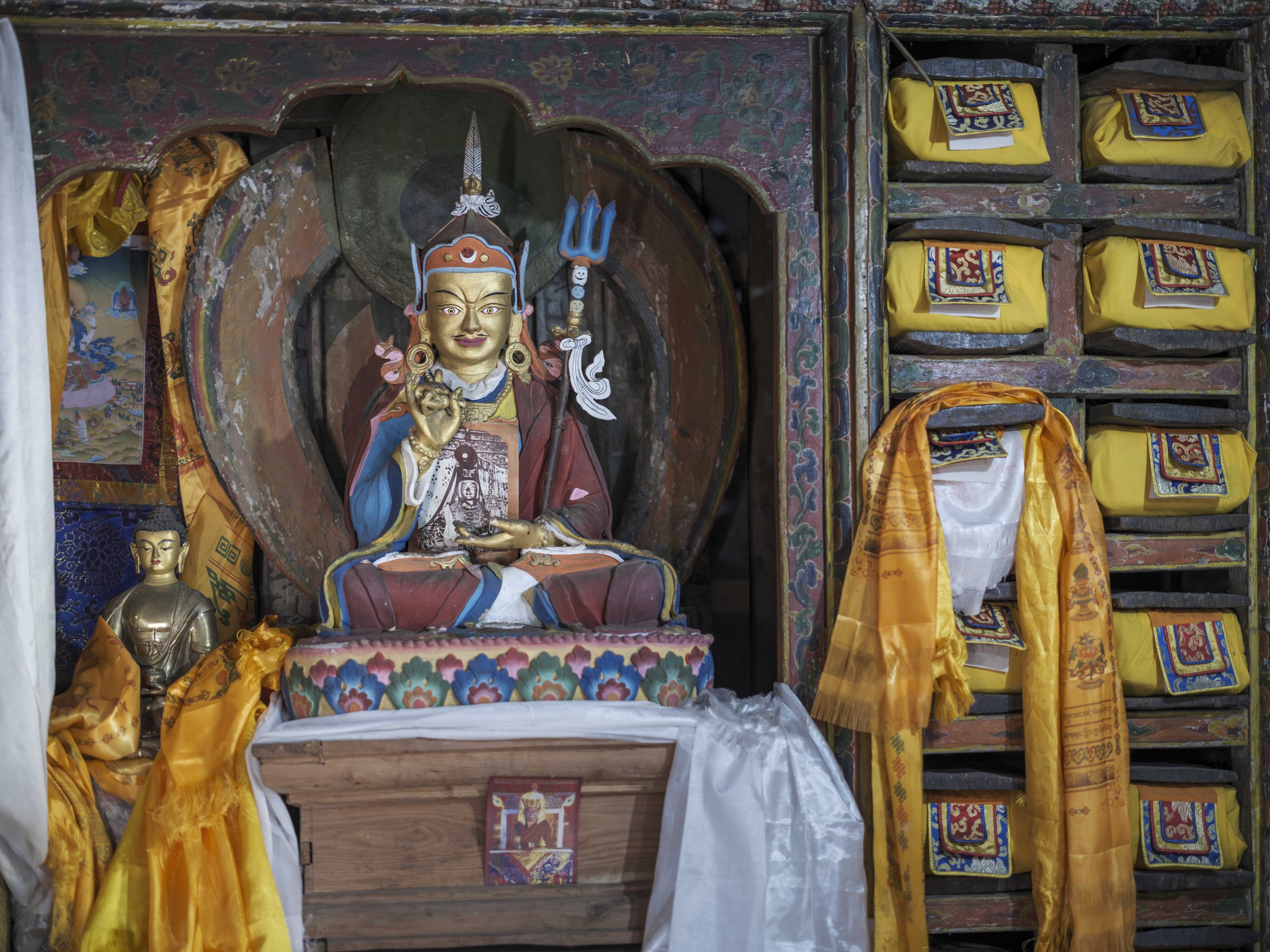
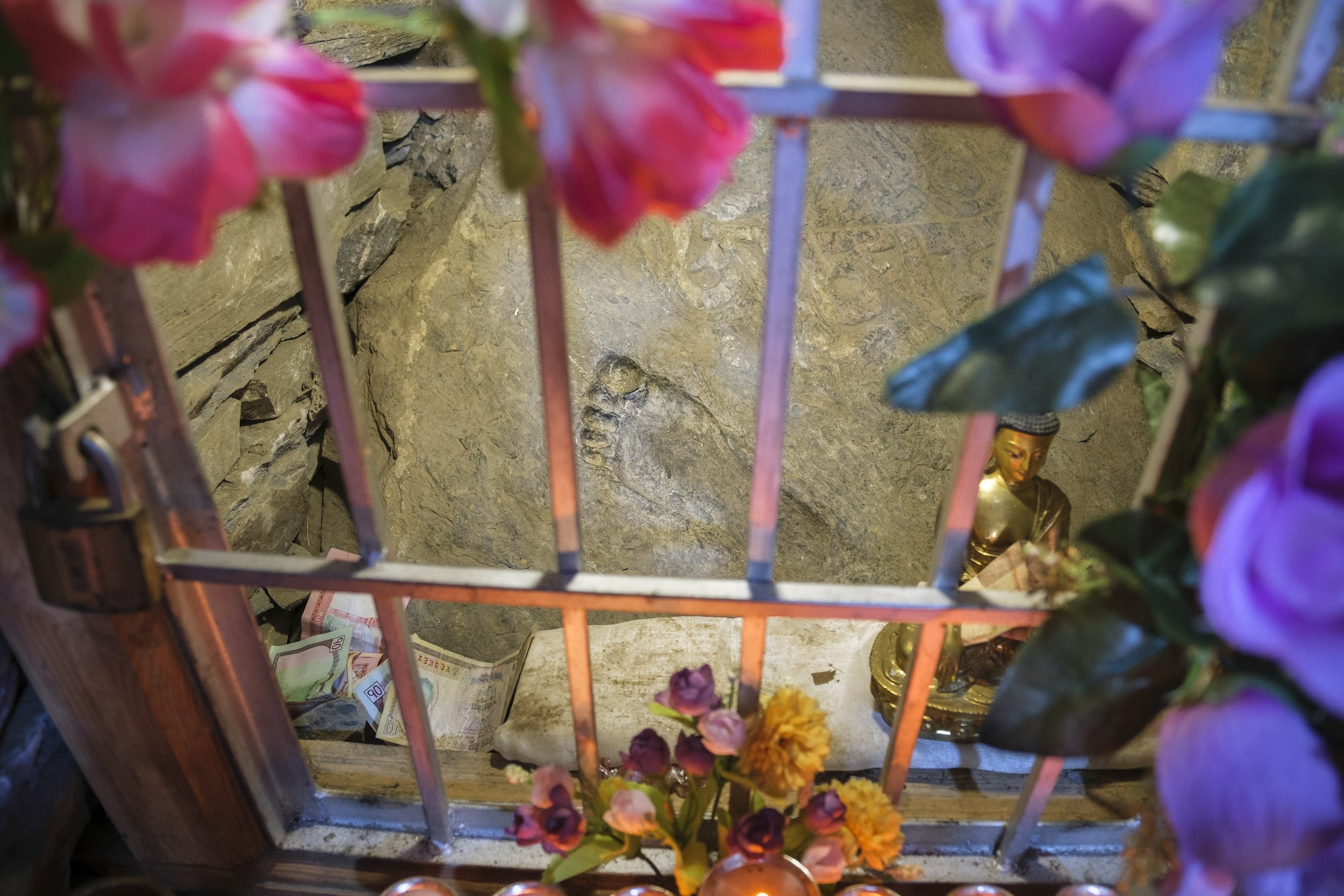
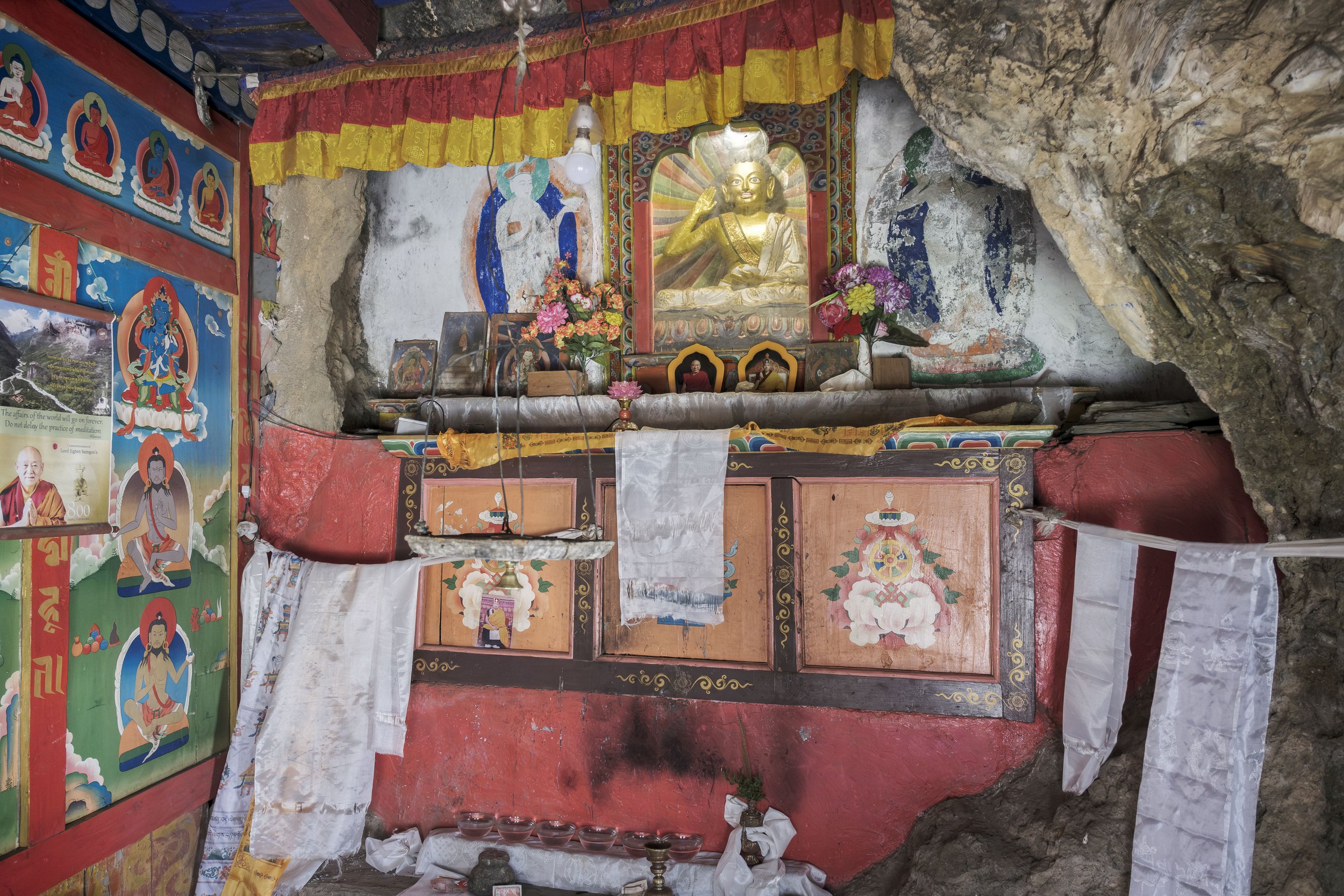
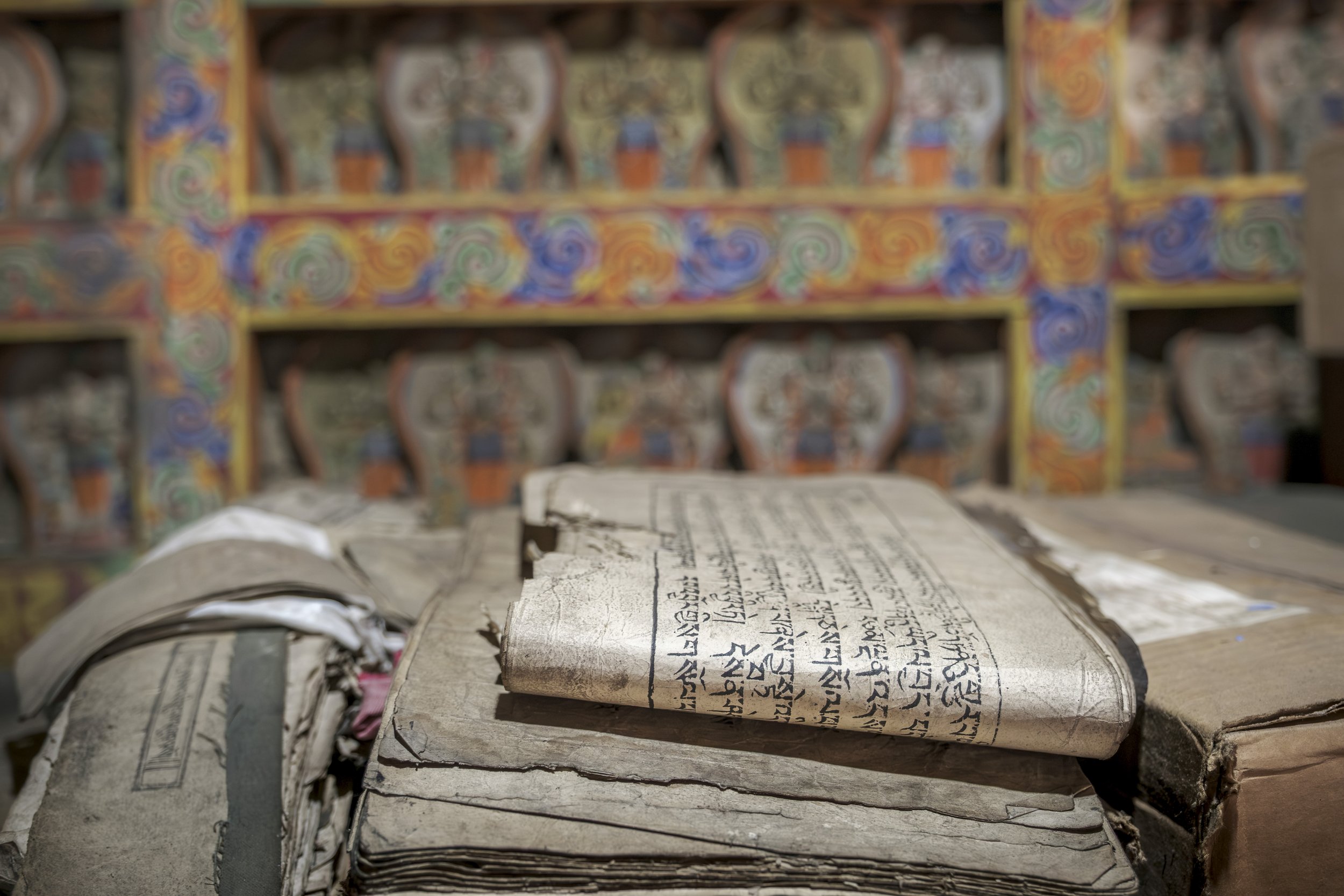
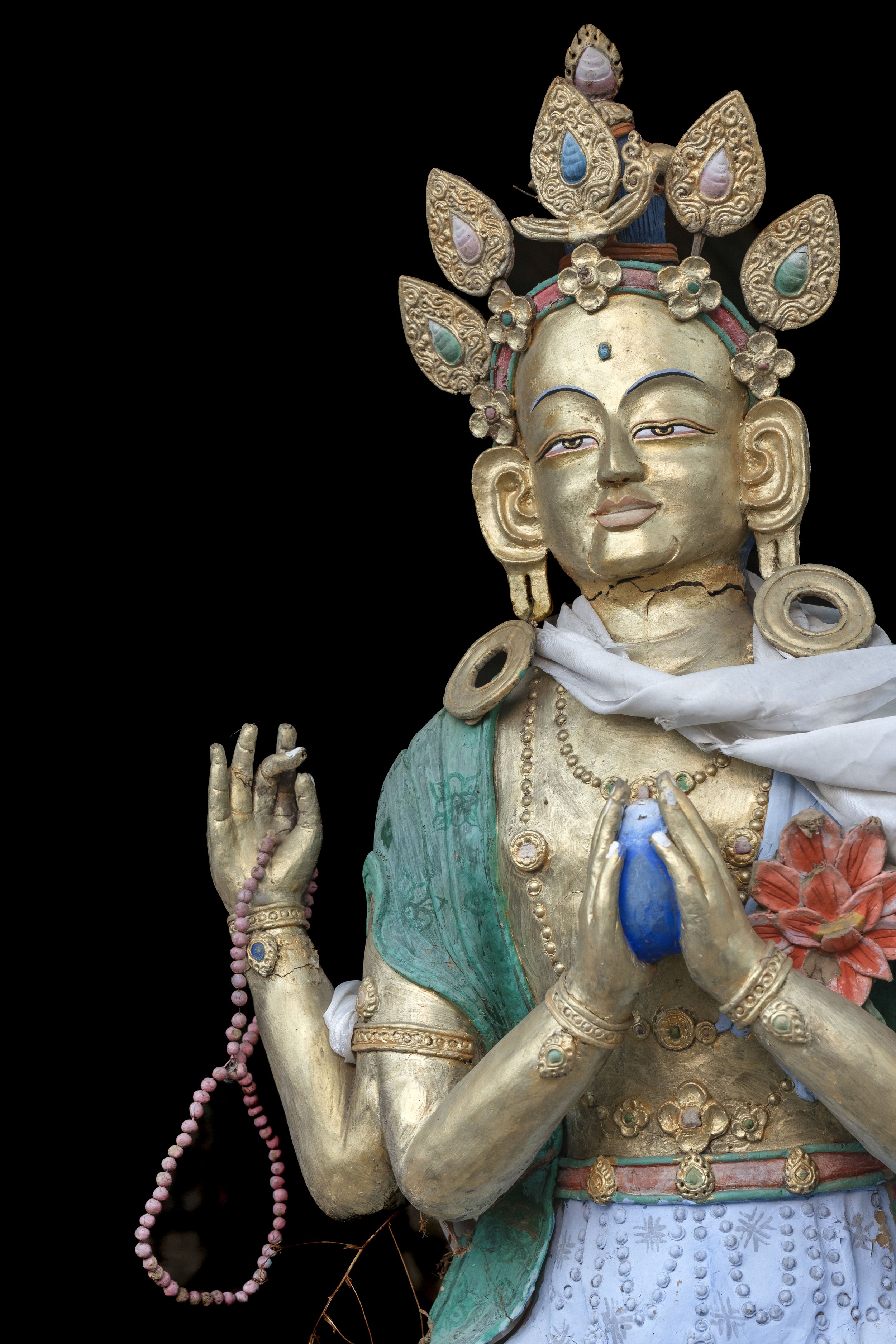
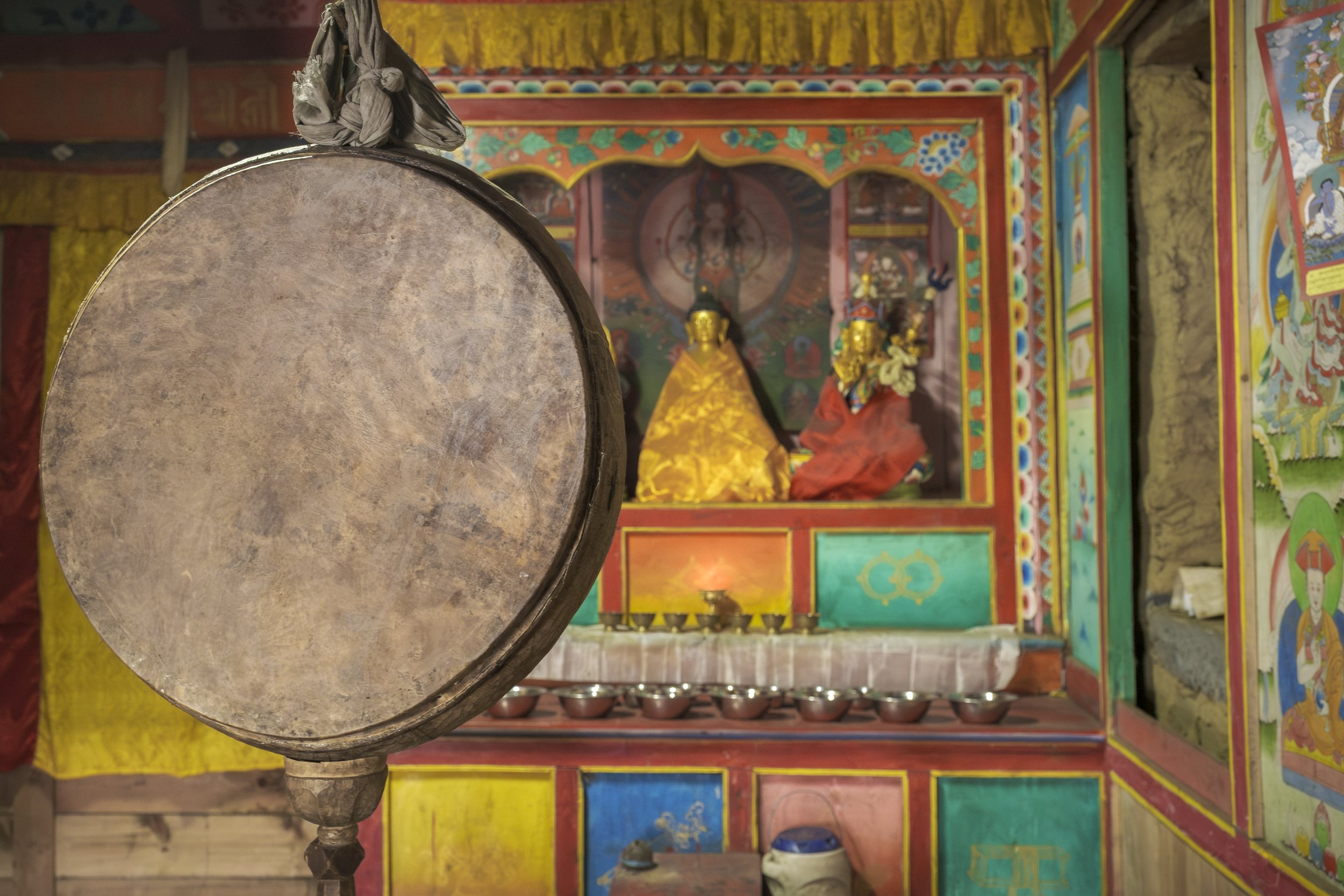
These sacred objects are more than mere symbols in Tsum; they are believed to embody blessings and spiritual energy accumulated through consecration, ritual, and devotion. A statue isn’t simply observed but bowed to. A manuscript is seen not just as a text but as a vessel of spiritual essence. Relics receive butter lamps, are carefully wrapped, safeguarded from harm, and addressed with spoken words. They are regarded as sentient beings, witnessing, listening, and possibly responding. In isolated valleys such as Tsum, where monks, nuns, and villagers rarely travel far, these relics represent the closest link to the sacred. They serve as the means for people to maintain a relationship with enlightenment itself.
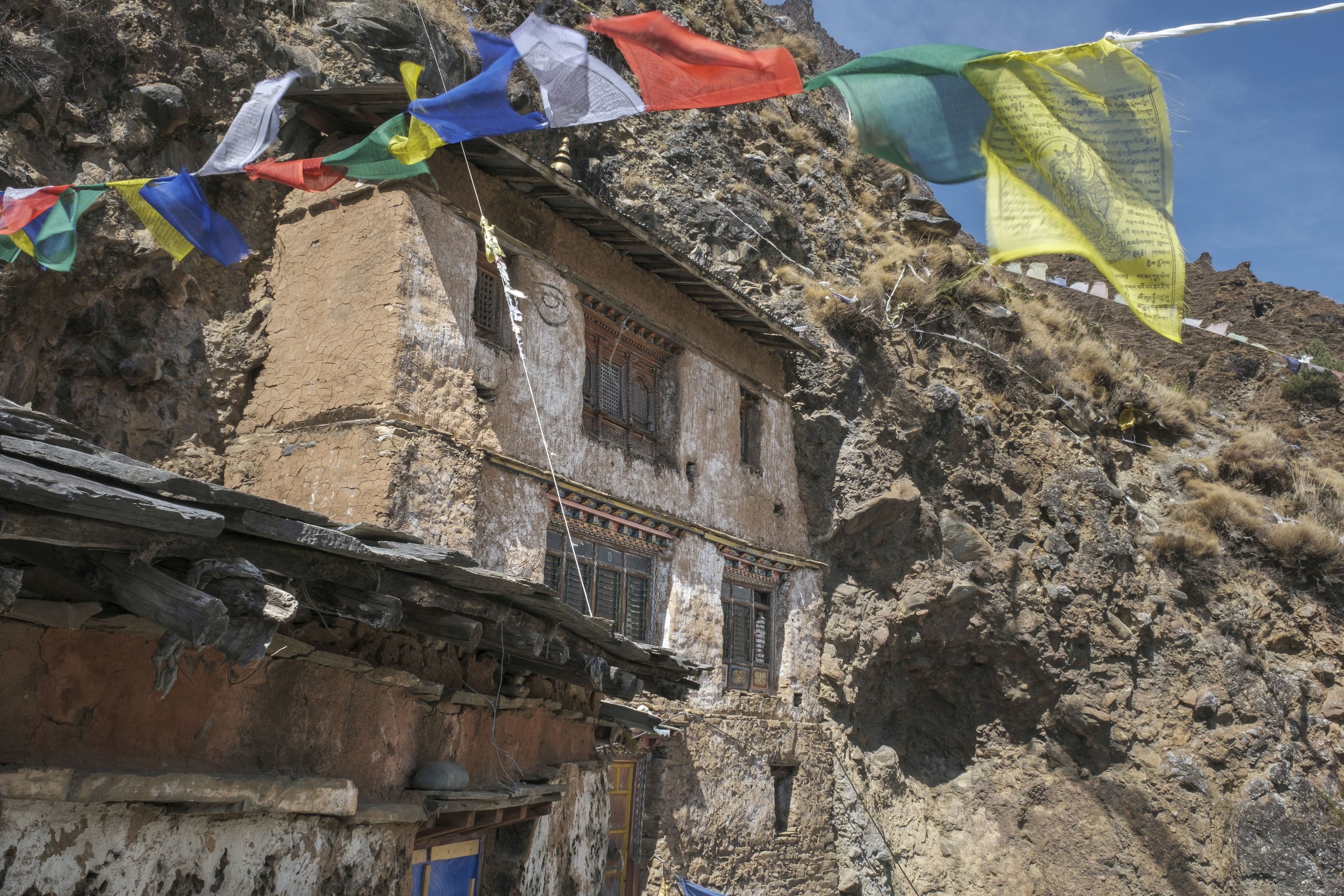
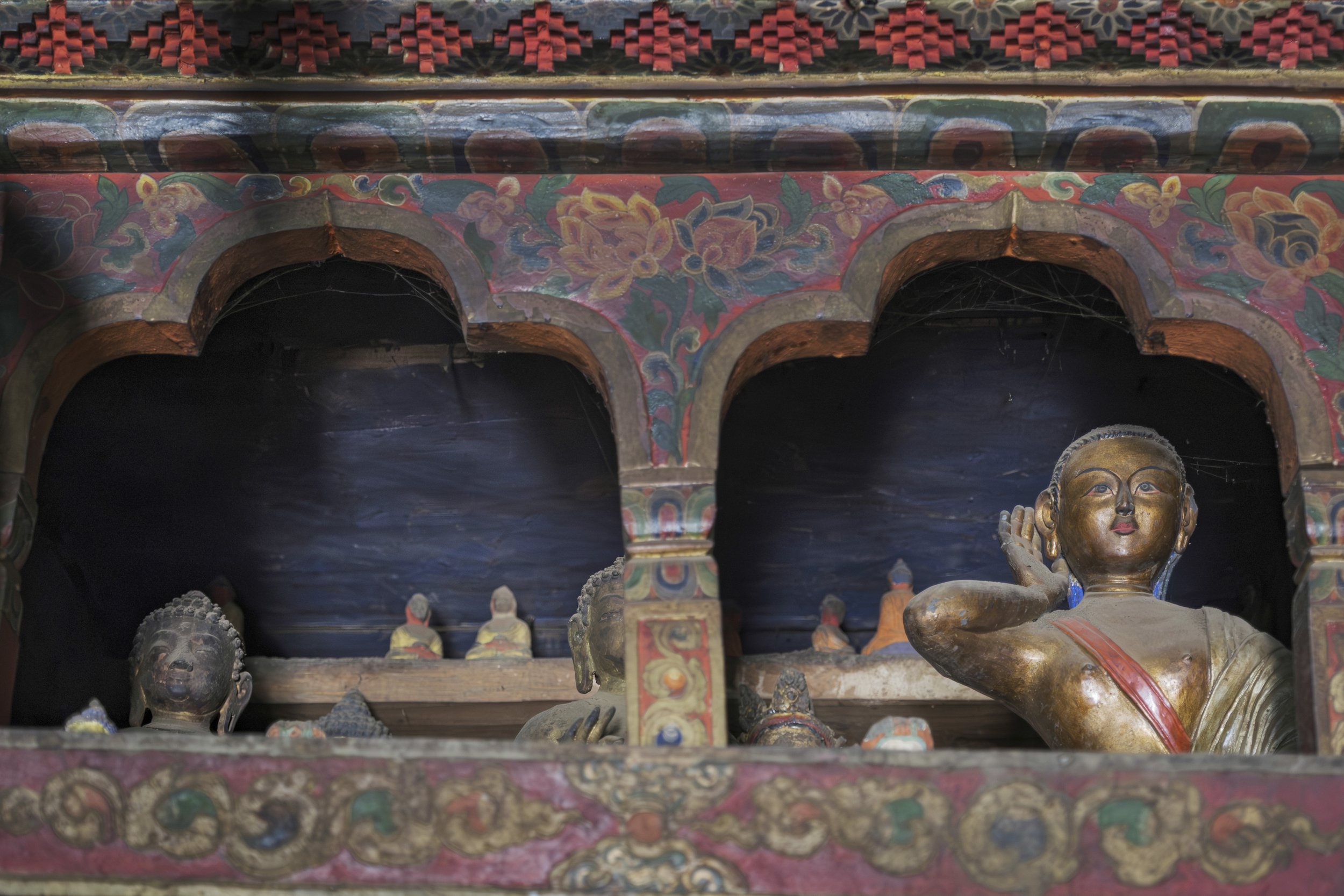
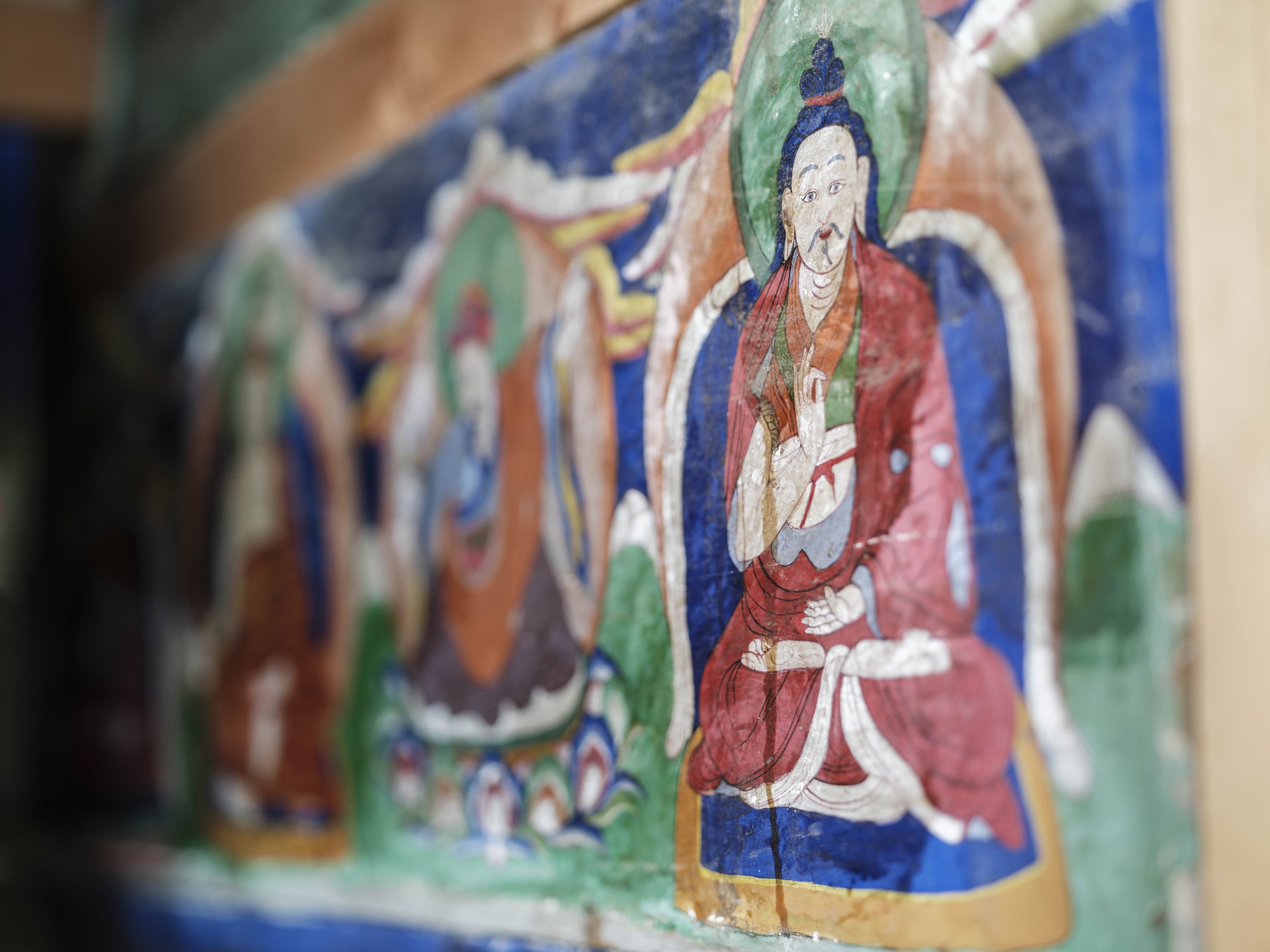
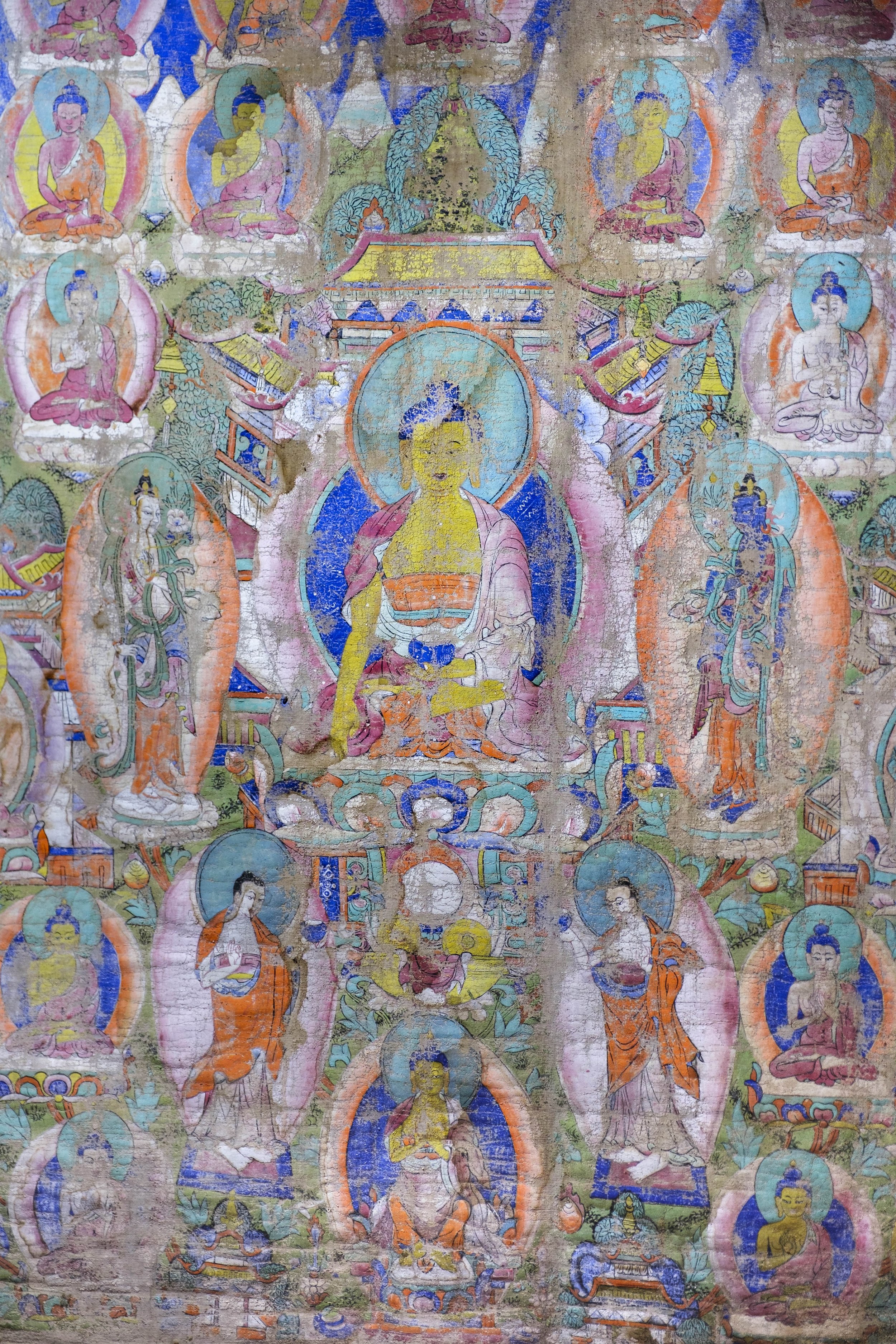
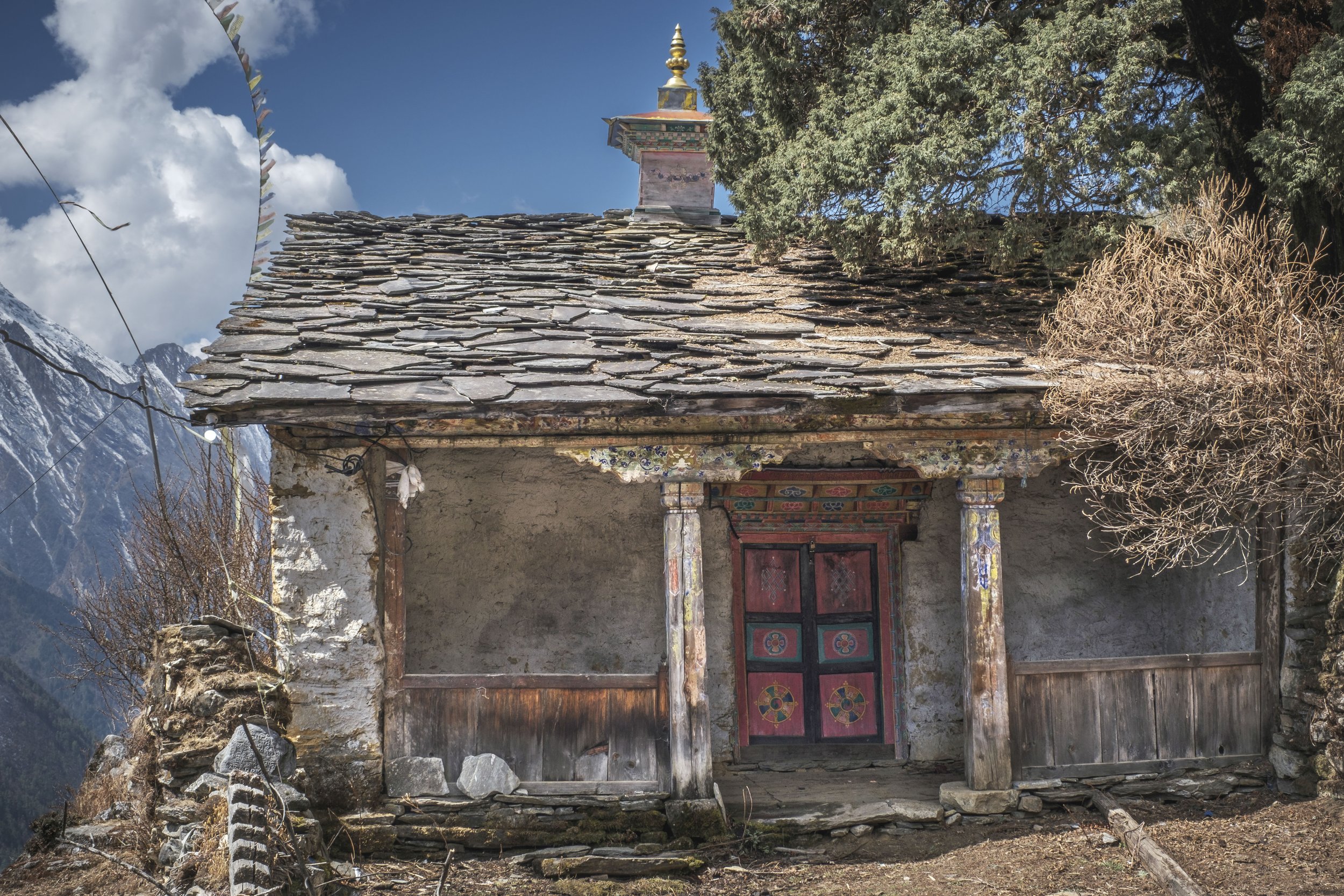
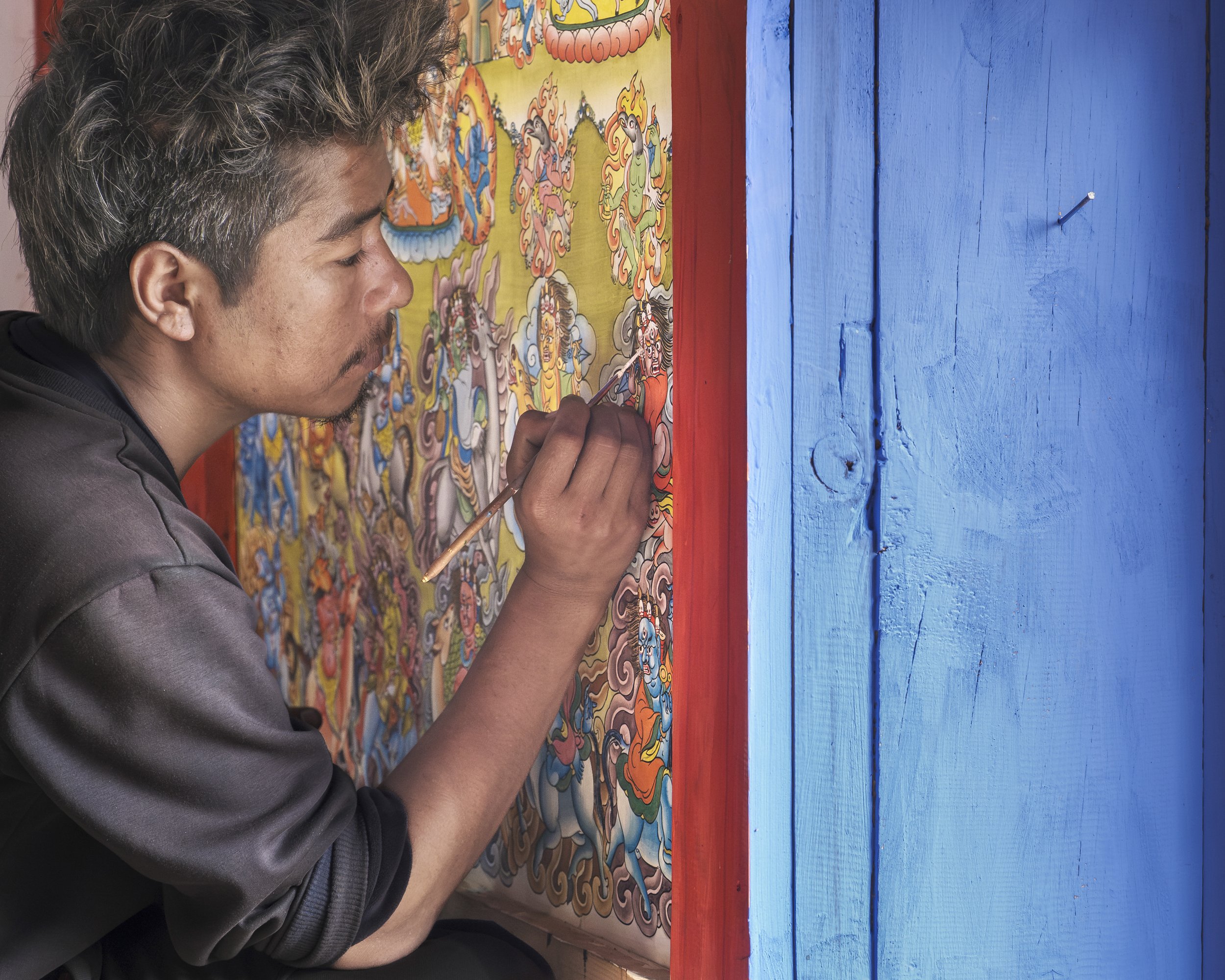
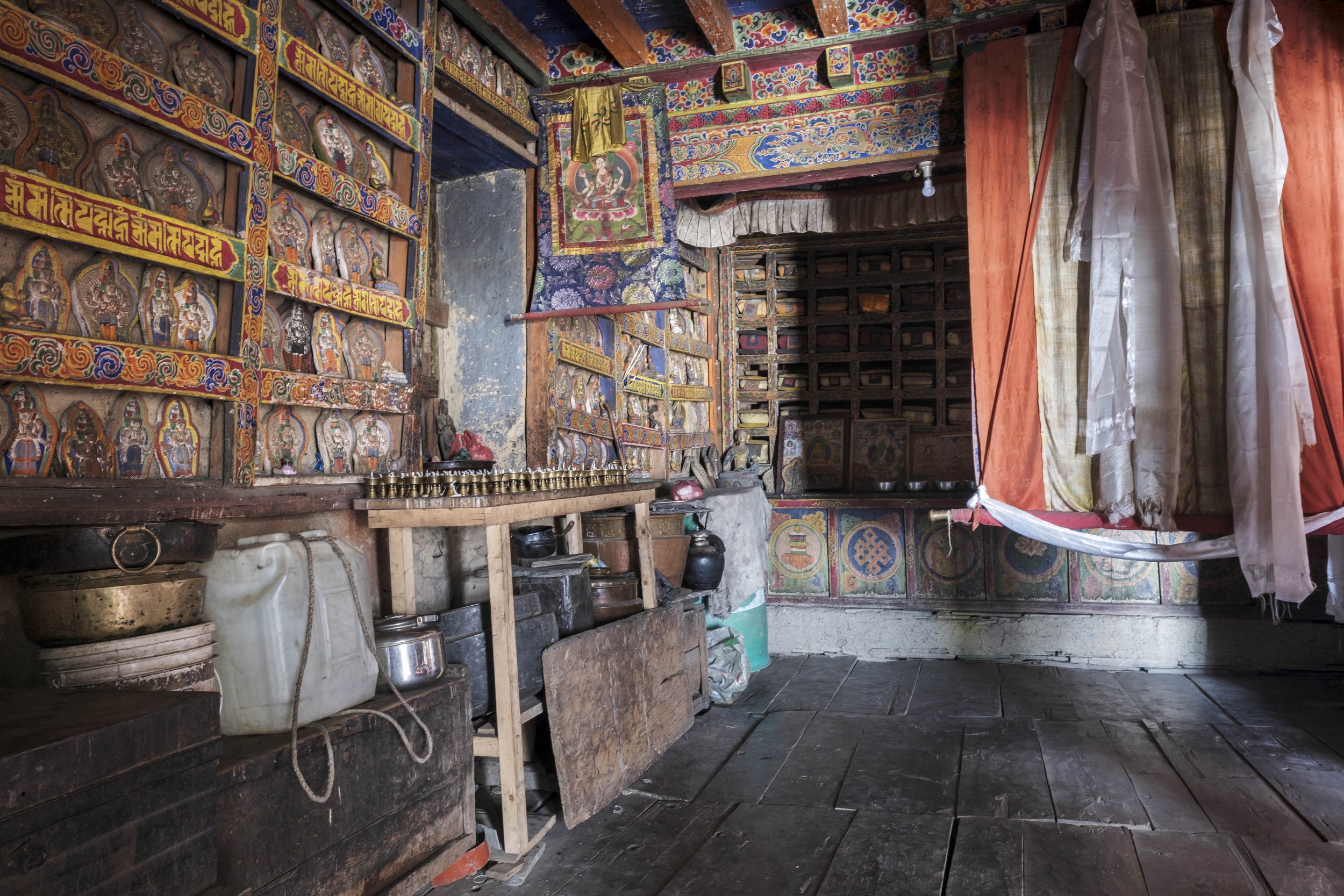
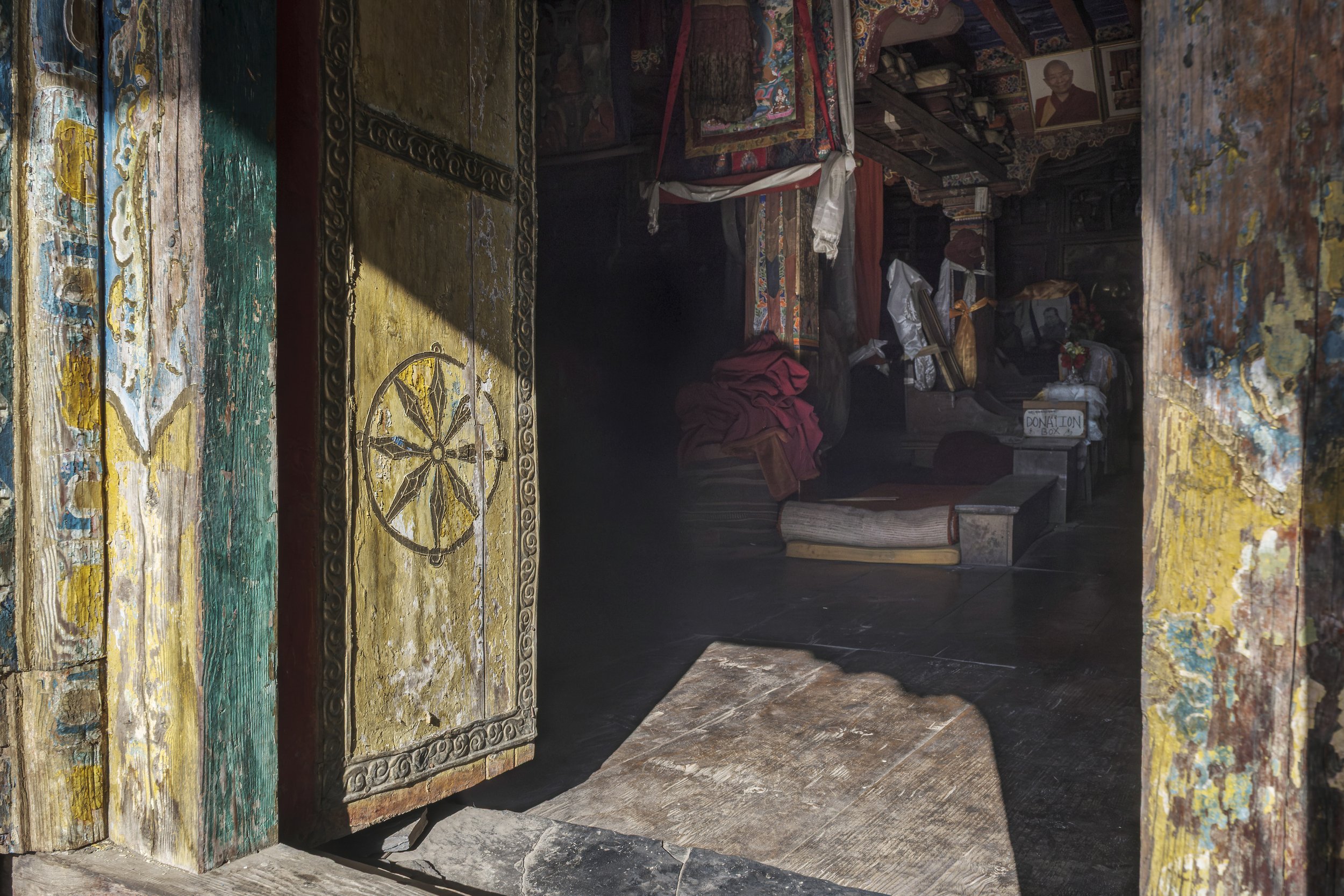
Throughout this ancient landscape, monasteries such as Rachen Gompa, Mu Gompa, and Gompa Lungdang are scattered across the valley. Rather than being grand and imposing, they stand isolated, like watchful elders. Their walls preserve memories, and inside, centuries-old thangkas painted with natural pigments and crafted by hand depict Buddha realms, bodhisattvas, and protectors. These artworks are more than mere decoration; they act as visible teachings.
In Tsum, faith feels tangible, felt through weight, texture, and form. In valleys with few written records and fragile oral histories, relics serve as keepers of memory. A statue commemorates the lama who consecrated it. A cracked bell records generations of prayer. A fading mural preserves voices long gone. They embody the lineage of teachers and local interpretations of Buddhism. When elders die, and youth migrate, these objects often stand as the last witnesses to continuity. Without them, memory dissolves into silence.
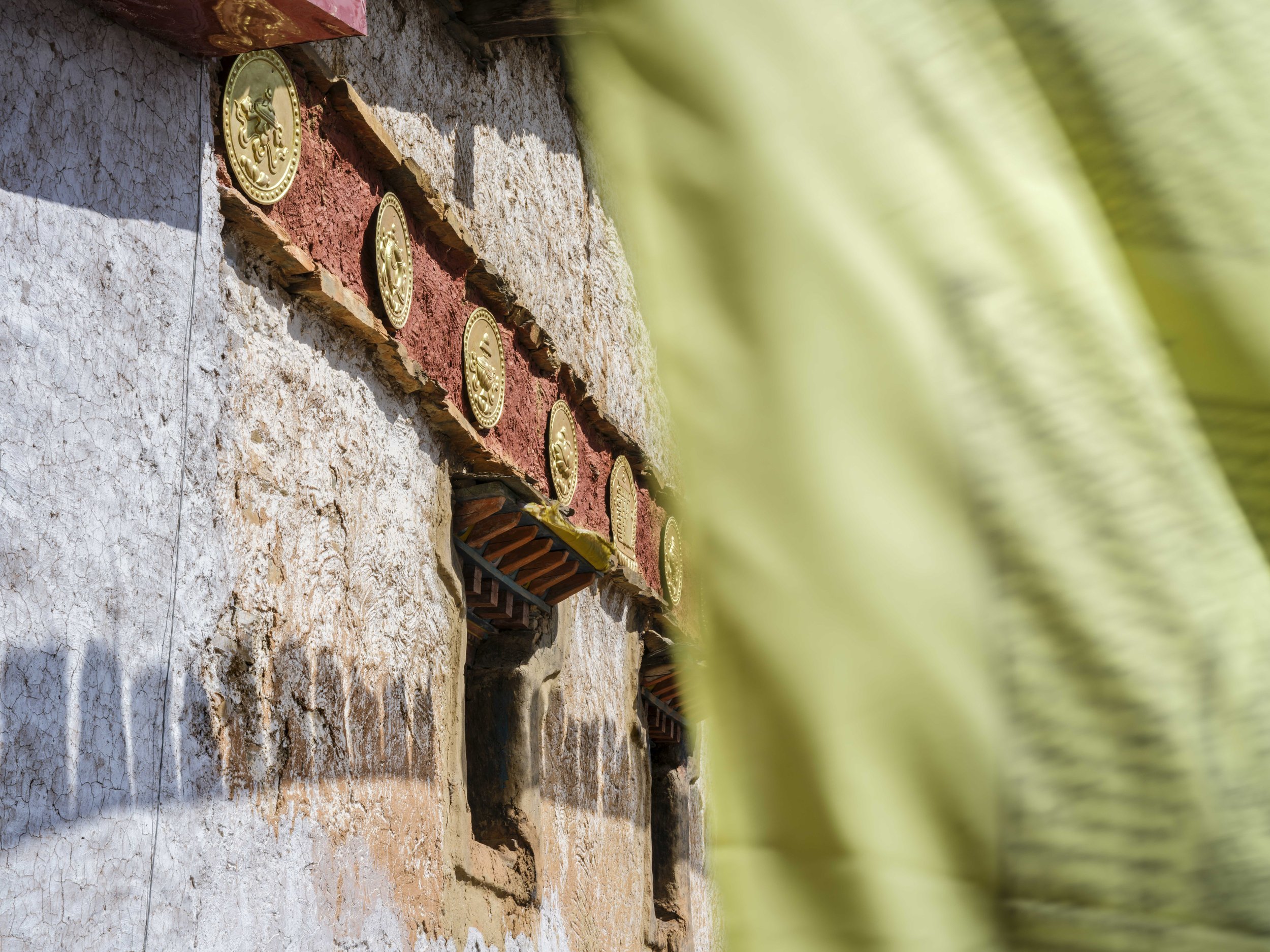
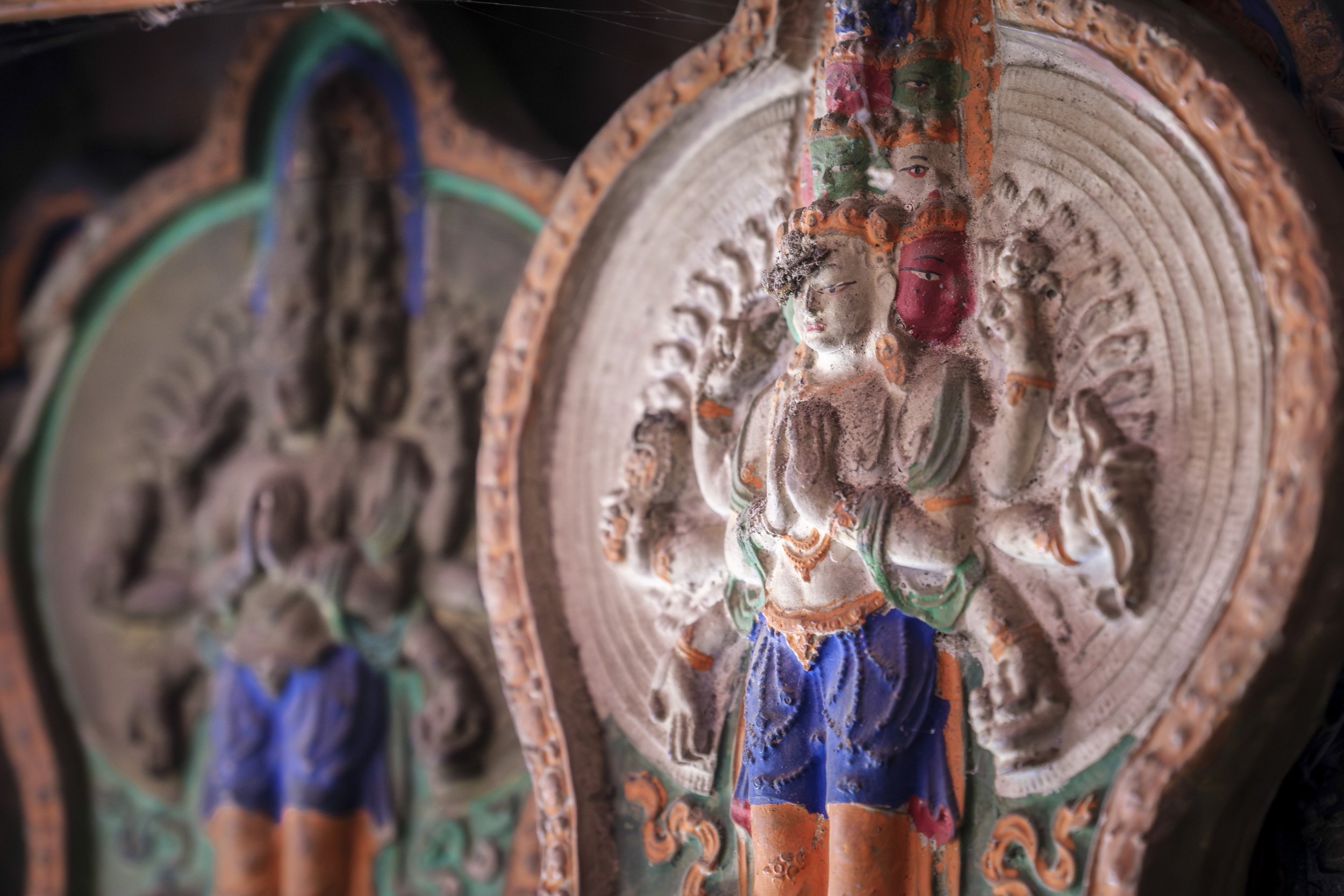
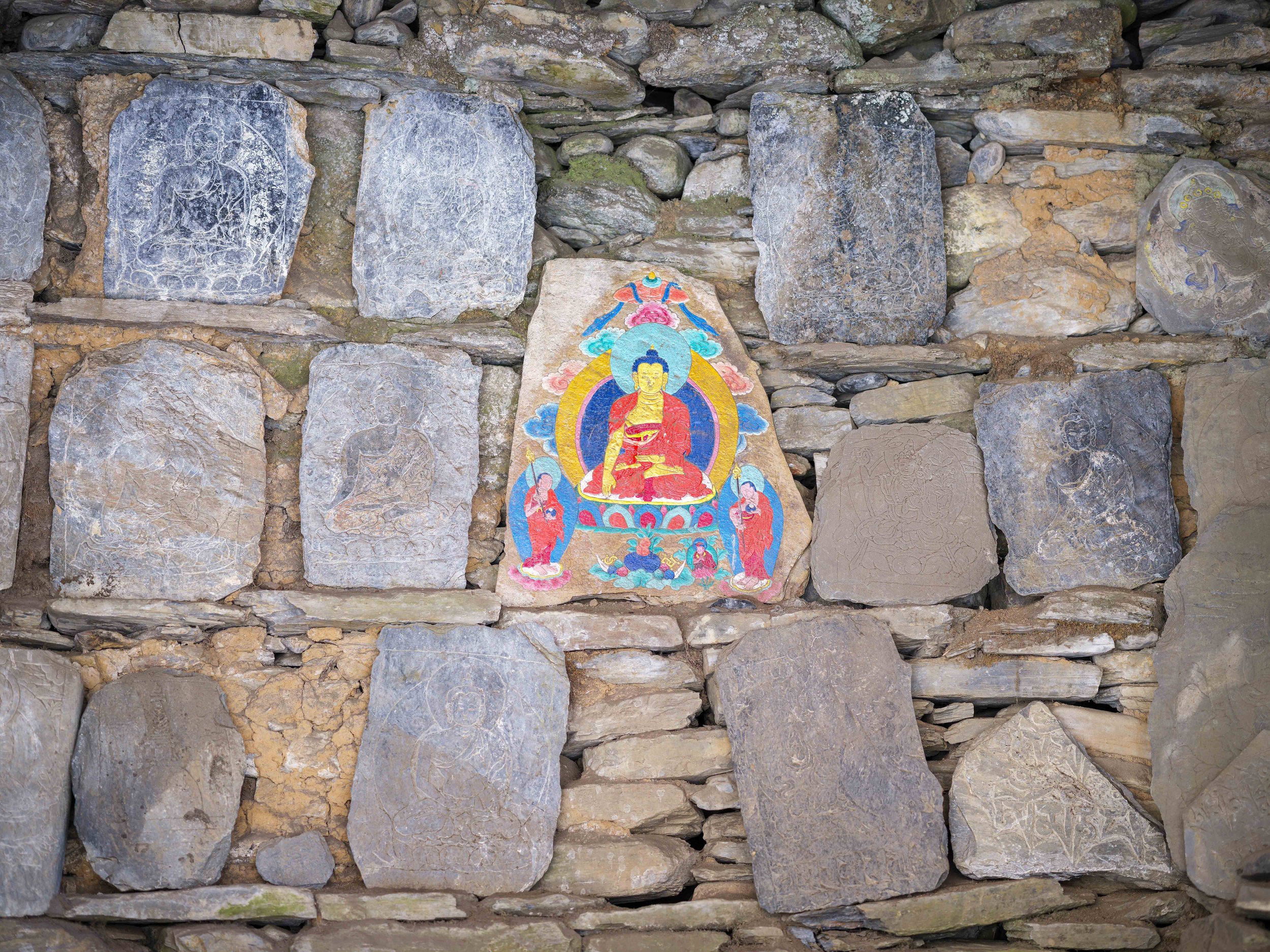
Gradually, almost unnoticed, the fabric of Tsum’s spiritual heritage is beginning to weaken. Roads get closer, bringing tourists, mobile signals, and modernity. The same isolation that once safeguarded the valley now makes preservation harder. The 2015 earthquake not only cracked walls but also shook confidence. Monasteries sustained damage. Tsa-tsas , (small sacred clay figures of Avalokiteshvara shaped by hand) are deteriorating due to moisture and mold. Murals, once bright, are fading with soot, dust, and the passage of time. Holy texts, some written centuries ago, are softening and breaking apart from humidity, insects, and neglect. Still, the relics remain resilient.
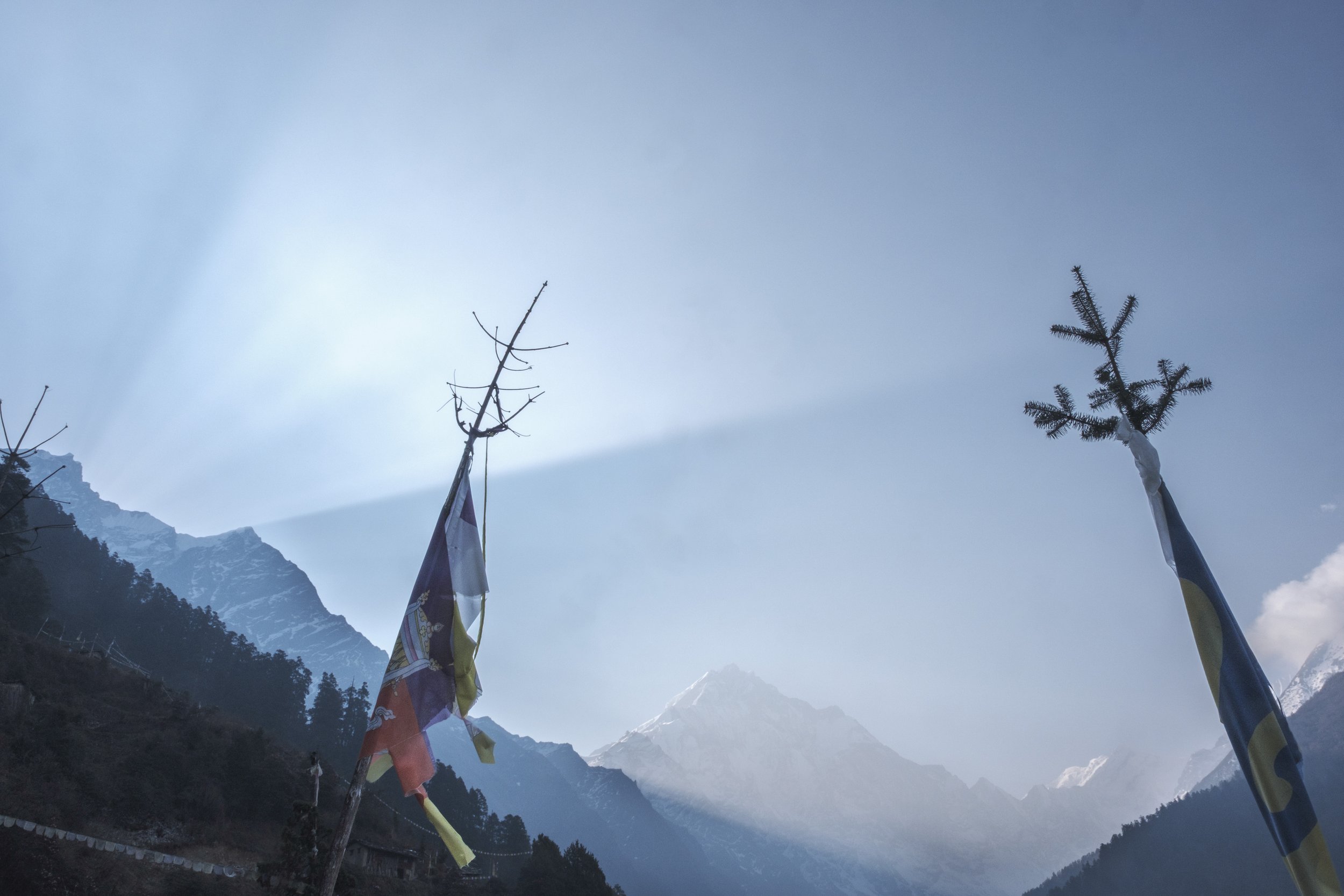
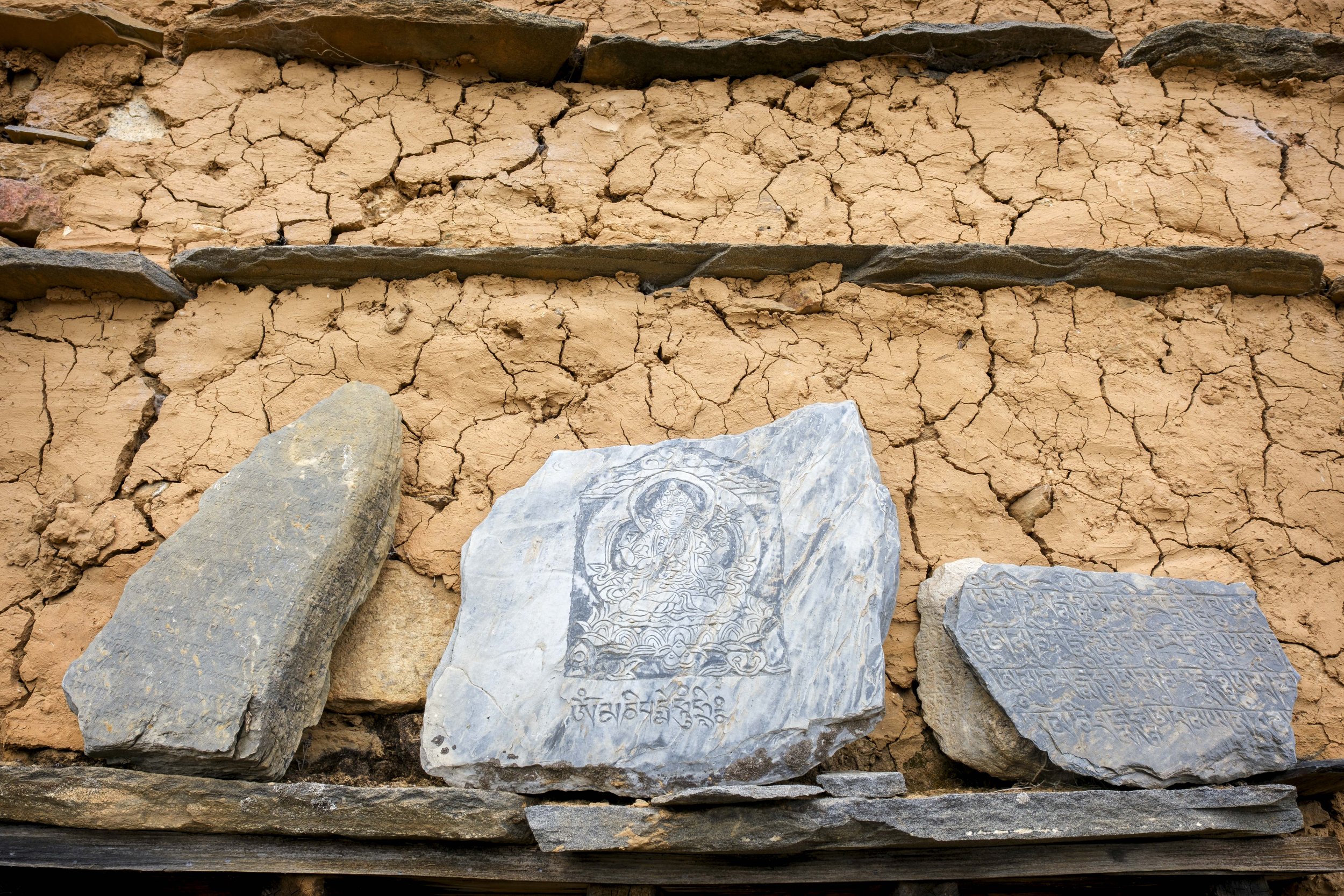
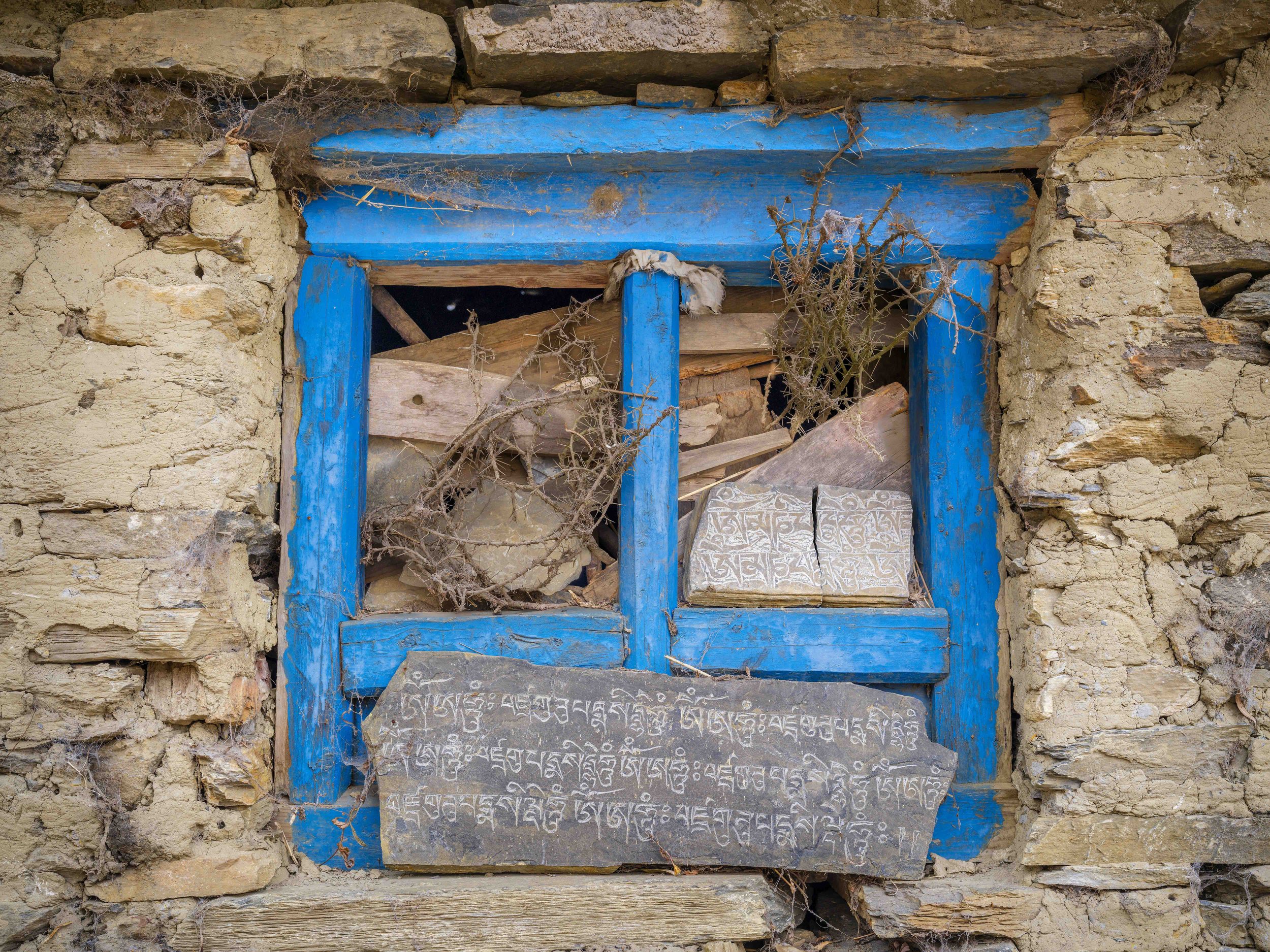
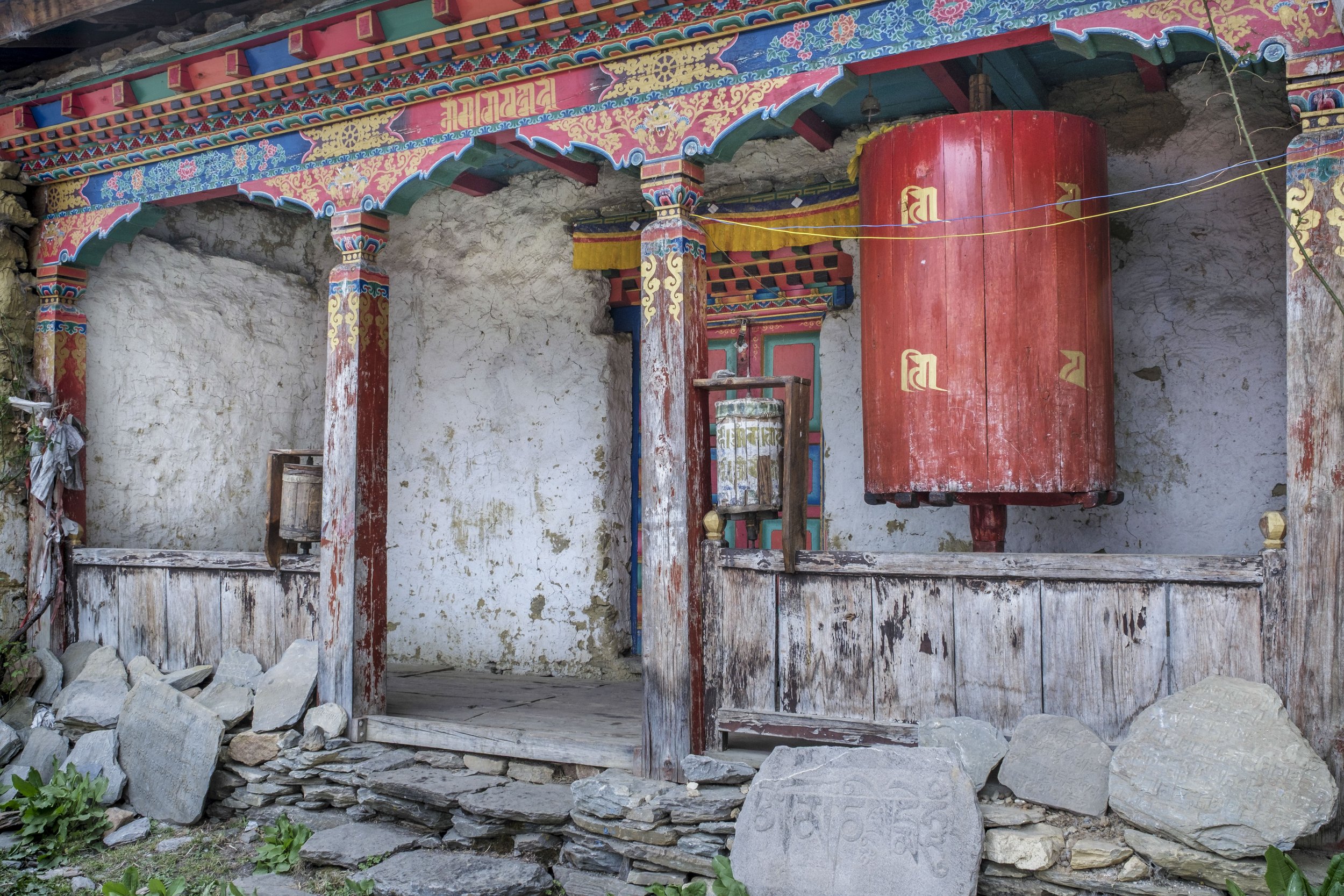
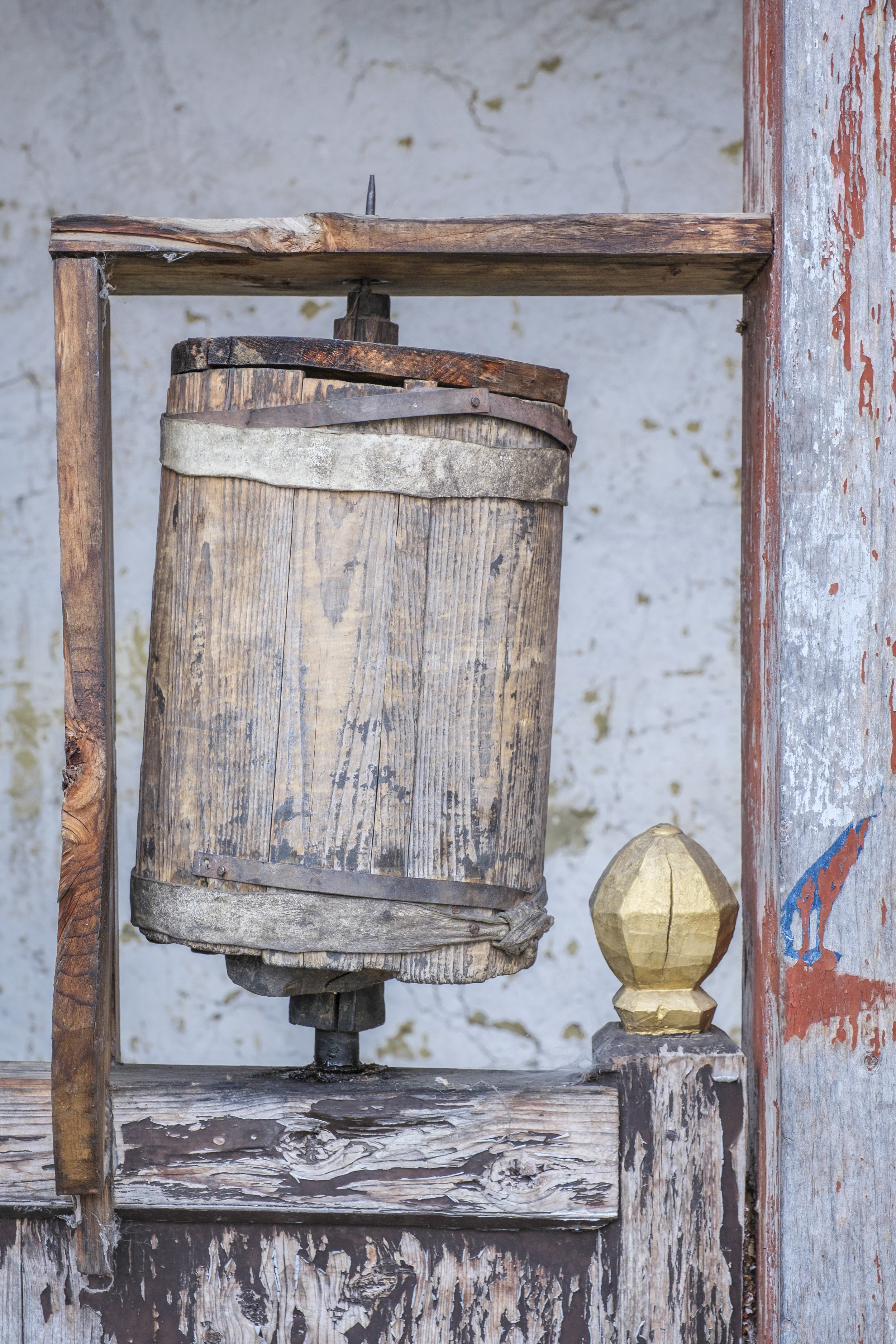
The ancient monasteries resemble aging entities, weathered, patient, watchful. Their prayer flags, faded by sun and wind, flutter like blinking eyelashes, signaling change. Walking alongside a mani wall, each stone carved by hand with the inscription “Om Mani Padme Hum,” feels like passing through the efforts of countless lives. Faith here was not mass-made. It was crafted gradually, with bare hands, given without the hope of permanence. But what stood out most was that none of this was behind glass. These relics are not museum artifacts; they are lived with, touched every day, circled, and prayed beside. This closeness preserves their vitality but also makes them vulnerable.
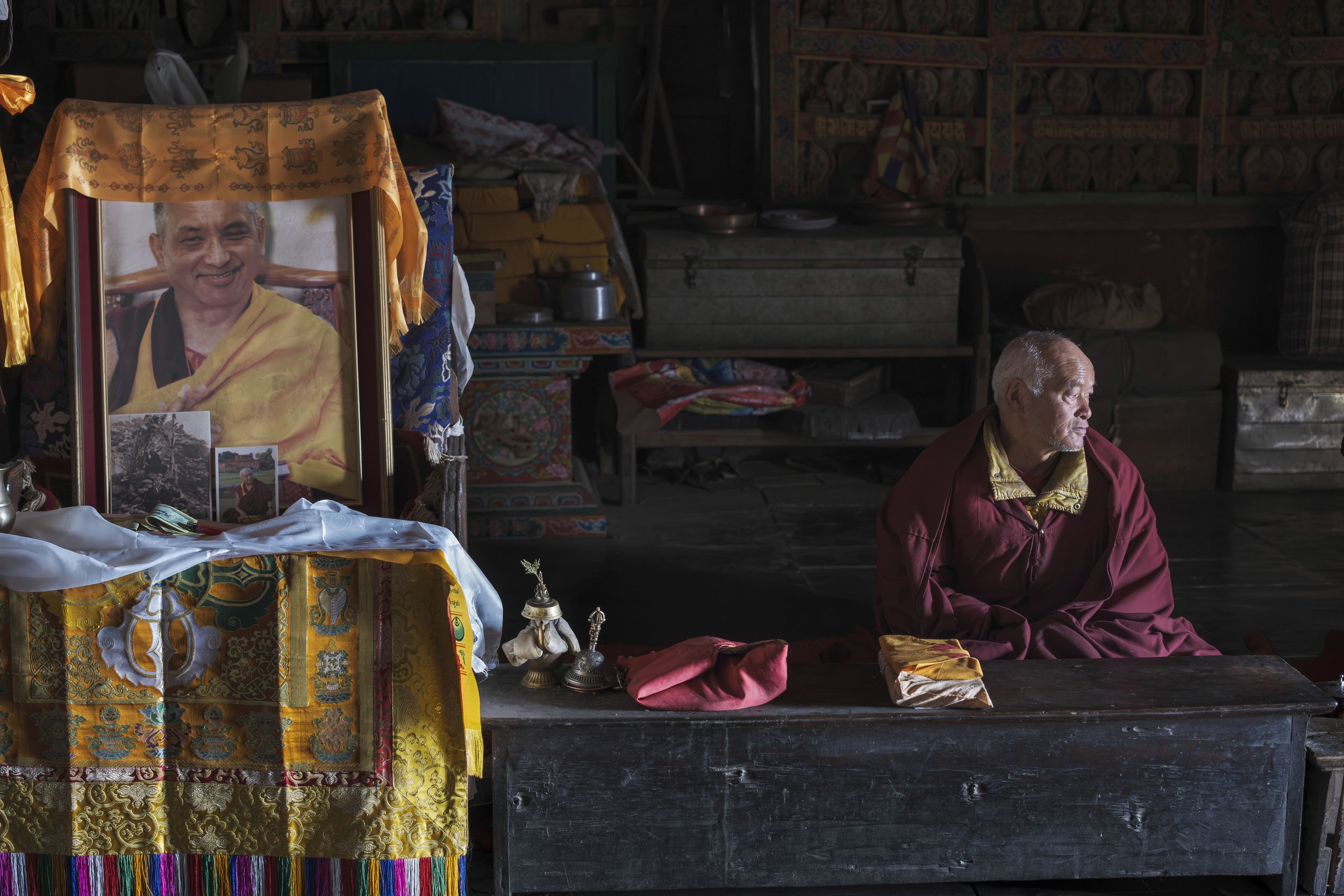
In Tsum, relics also shape ethical life. Oaths are taken before them. Disputes are settled under their gaze. Acts of generosity unfold in their presence. In places where formal institutions are few, relics create a moral field, reminding people of karma, compassion, responsibility, and consequence. Religious relics also serve as emotional sanctuaries. Life in the high Himalayas is defined by severe winters, scarce healthcare, and isolation. In these challenging circumstances, relics provide a sense of continuity. Nuns and monks pray before the same statue they did as children, and a villager lights a lamp for a son working overseas. Rituals help absorb grief when words are insufficient.
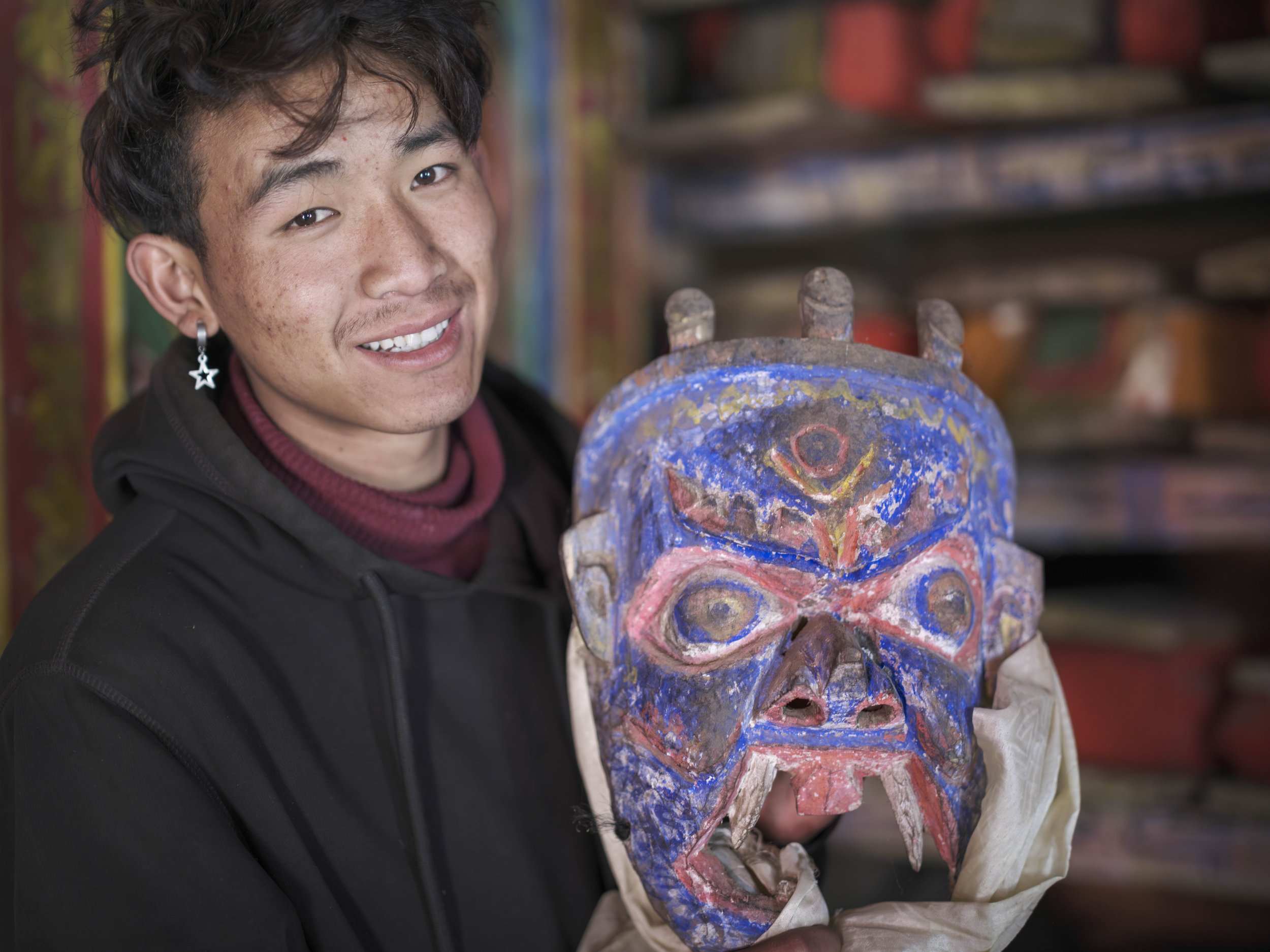
But Tsum’s heritage is fragile not just physically but culturally as well. As younger generations move to cities for education and opportunities, traditional knowledge that was once transmitted through practice is diminishing. Fewer people know how to restore murals or prepare tsa-tsas, and fewer voices remember the complete chants. Festivals become shorter, and rituals are condensed and adapted to fit contemporary schedules. Over time, this erosion of continuity occurs.
Tourism, on the other hand, presents both opportunities and challenges. It draws attention and funding, igniting curiosity that can develop into care. However, it also exposes risks, misunderstandings, and potential loss. What is visible but not fully understood can be fragile and easily harmed. Nevertheless, Tsum remains determined and refuses to give up. I observed villagers repairing cracked walls using mud and resolve. With support from international partners, some communities photograph statues and manuscripts to digitize and preserve them, small acts of resistance against disappearance, but still worth it. Tsum's profound understanding lies in impermanence. Relics decay over time, paint peels, manuscripts deteriorate, and stones develop cracks. In Buddhism, this isn't seen as failure but as a lesson. Their fragility serves as a reminder that nothing lasts forever, that caring for things is a form of devotion, and that neglect is also a karmic action. Yet, the question persists: how long can this sustain?
Perhaps that is why I choose to view the world optimistically, and why I write. People like us often traverse overlooked paths, photograph fading thangkas and damaged murals, and ask questions. Our goal isn’t just to preserve what’s vanishing but to shed light on it, making it visible, understandable, and memorable. This valley offers little in material terms; it only invites notice, respect, and remembering.
Every visit to Tsum makes me feel as if I'm in the presence of a teacher, not spoken through words but through stone, pigment, and chants. I realize that this place isn't just a stop on a journey; it's something we inherit, with all its beauty and significance, and it’s both an honor and a responsibility.
Vanishing Icons – Image Gallery ⟩