The Shared Roof
Community Monasteries of Tsum Valley
Story by Chadani Lama | Photographs by Steve Fagan
I grew up in Kathmandu, a city of hurried footsteps and locked doors. People live near each other but separately, behind metal gates, concrete walls, and the idea that independence needs protection. In the city, self-sufficiency is valued. Privacy is a virtue, and need is something to be handled quietly. We usually refer to this as freedom.
I mostly learned about community through my parents’ memories. They talked of a time when neighbors naturally relied on each other, when illness, grief, and celebrations were shared not because people were kind, but because life demanded it. By the time those stories reached my generation, they had faded. Services replaced neighbors. Contracts replaced trust. Silence replaced presence. Community became a word reserved for textbooks and nostalgia, something we believed belonged to a slower, less efficient world. I carried that belief with me into Tsum Valley.
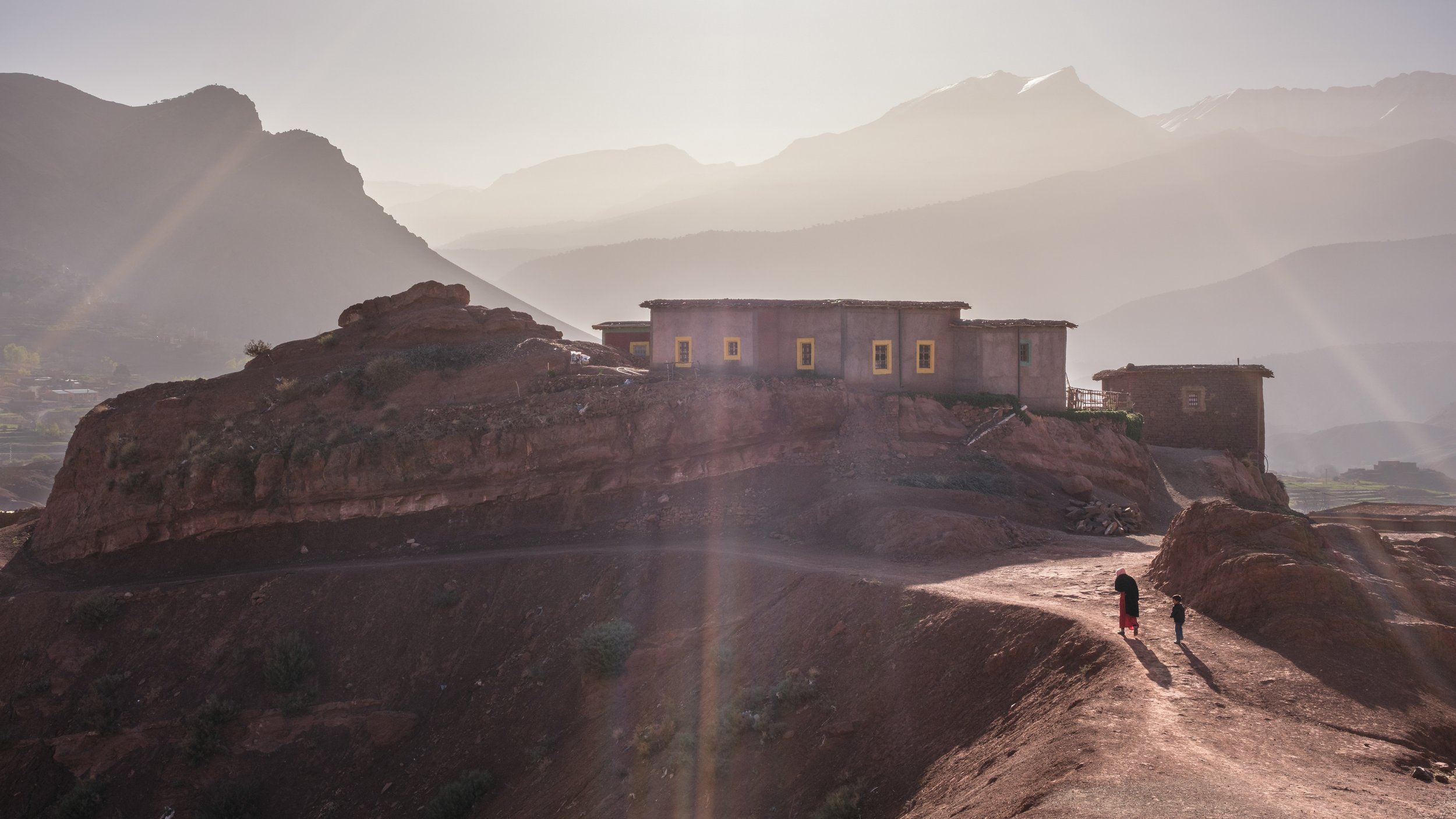
Tsum is a remote Himalayan region where modern infrastructure arrives slowly, if at all. Roads are unreliable. Winters are harsh. Resources are scarce. Yet, what I encountered there was not just hardship but coherence, a society held together by a structure older than institutions. In Tsum, community is not merely an emotional ideal or a cultural ornament; it is the system that allows life to go on. At the center of this system are the community monasteries.
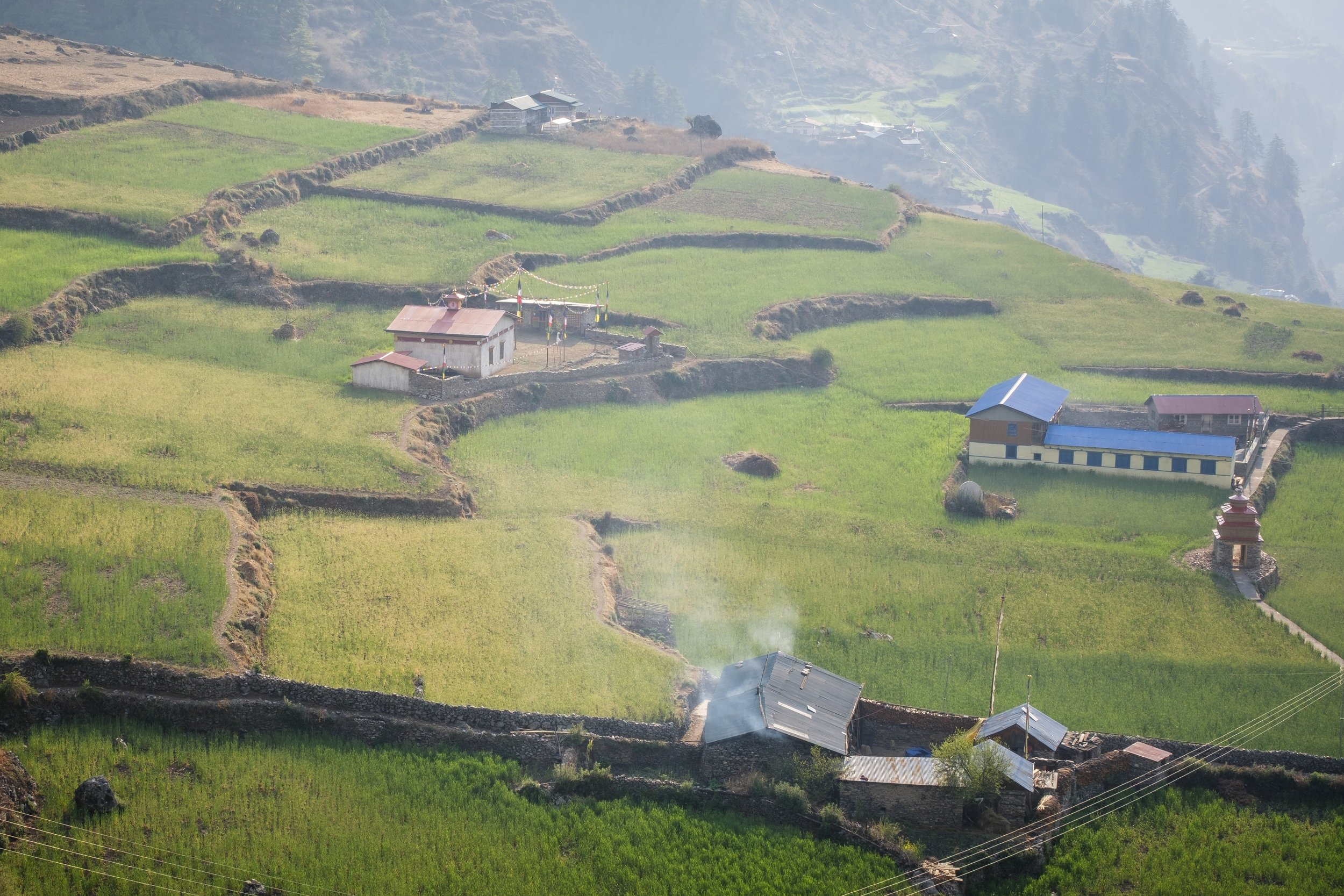
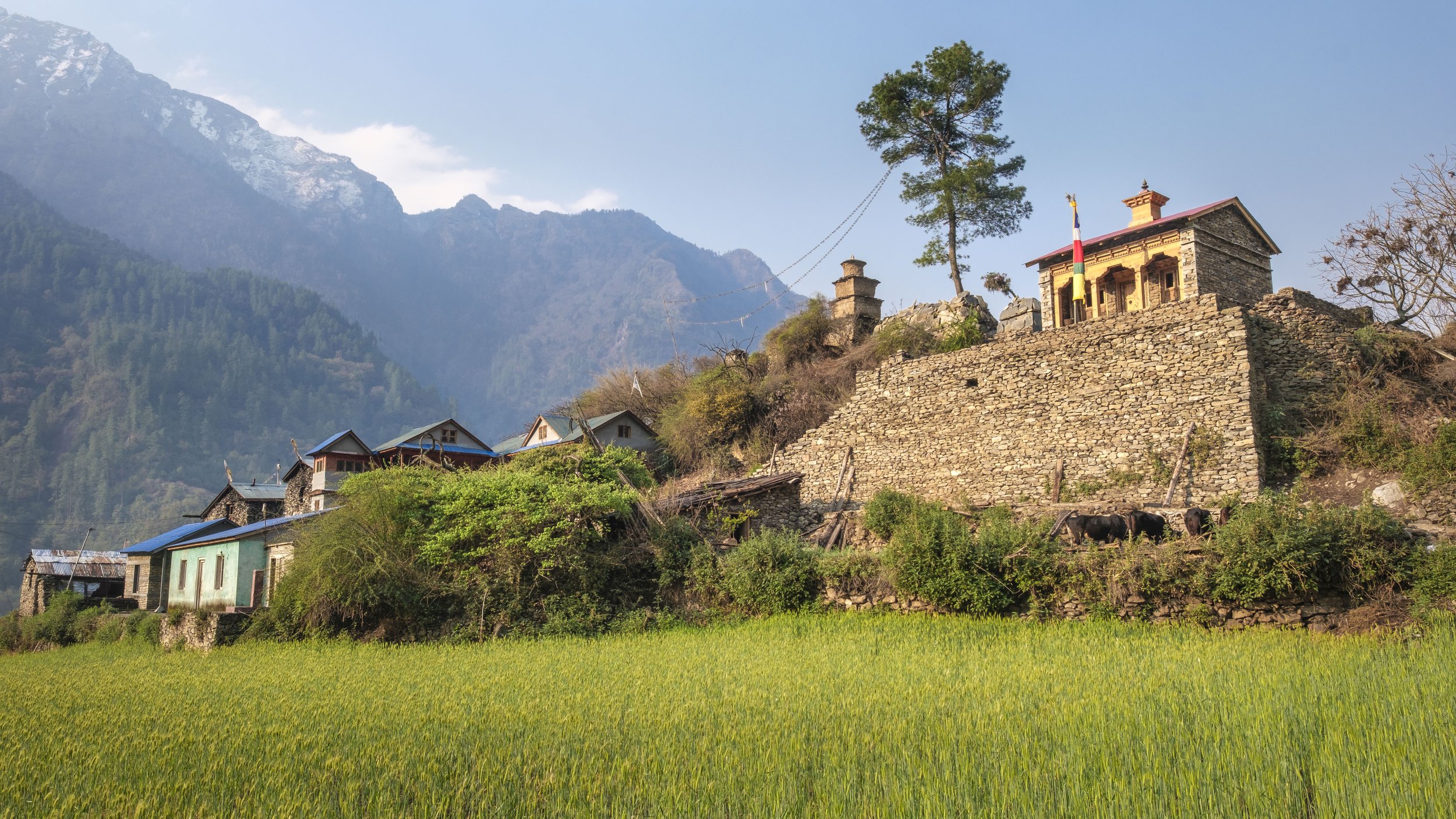
Every village in Tsum has a monastery. Unlike the distant, ceremonial sense found in city life, where temples are visited briefly and then left behind, here, the monastery is deeply integrated into daily life. It functions as a spiritual center, a decision-making hub, an archive of memories, and a moral reference, all rolled into one. It’s where births are blessed, deaths are mourned, disputes are settled, and collective responsibility is shared. The monastery is not separate from life; it organizes it.
In traditional societies, community was not based on shared opinions or constant harmony. It was centered on shared responsibility. No one could opt out. No one was invisible. Survival depended on participation. When a person aged, fell ill, or died, the response was collective. When a structure weakened, the response was collective. That’s why monasteries matter, not as symbols, but as essential infrastructure.
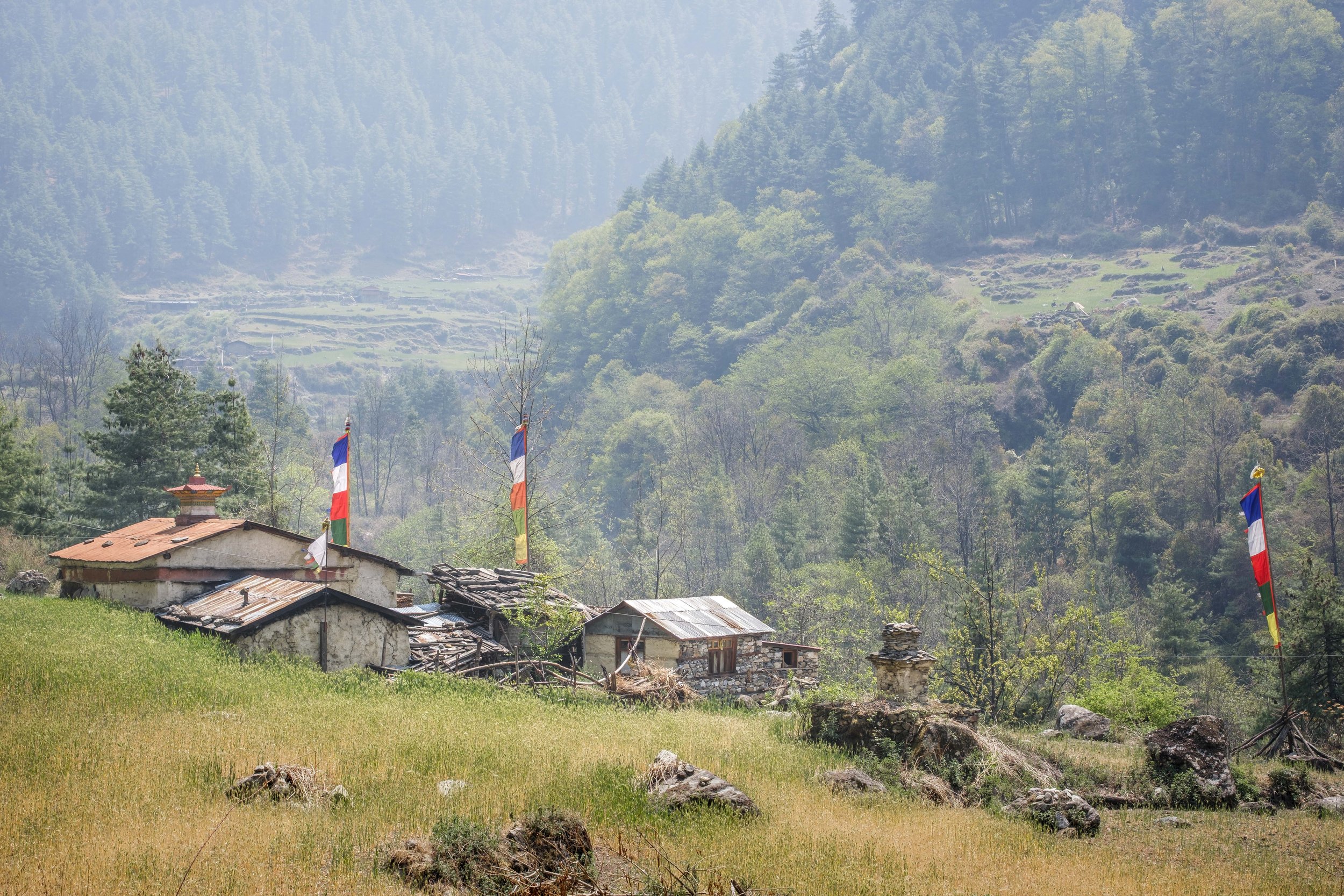
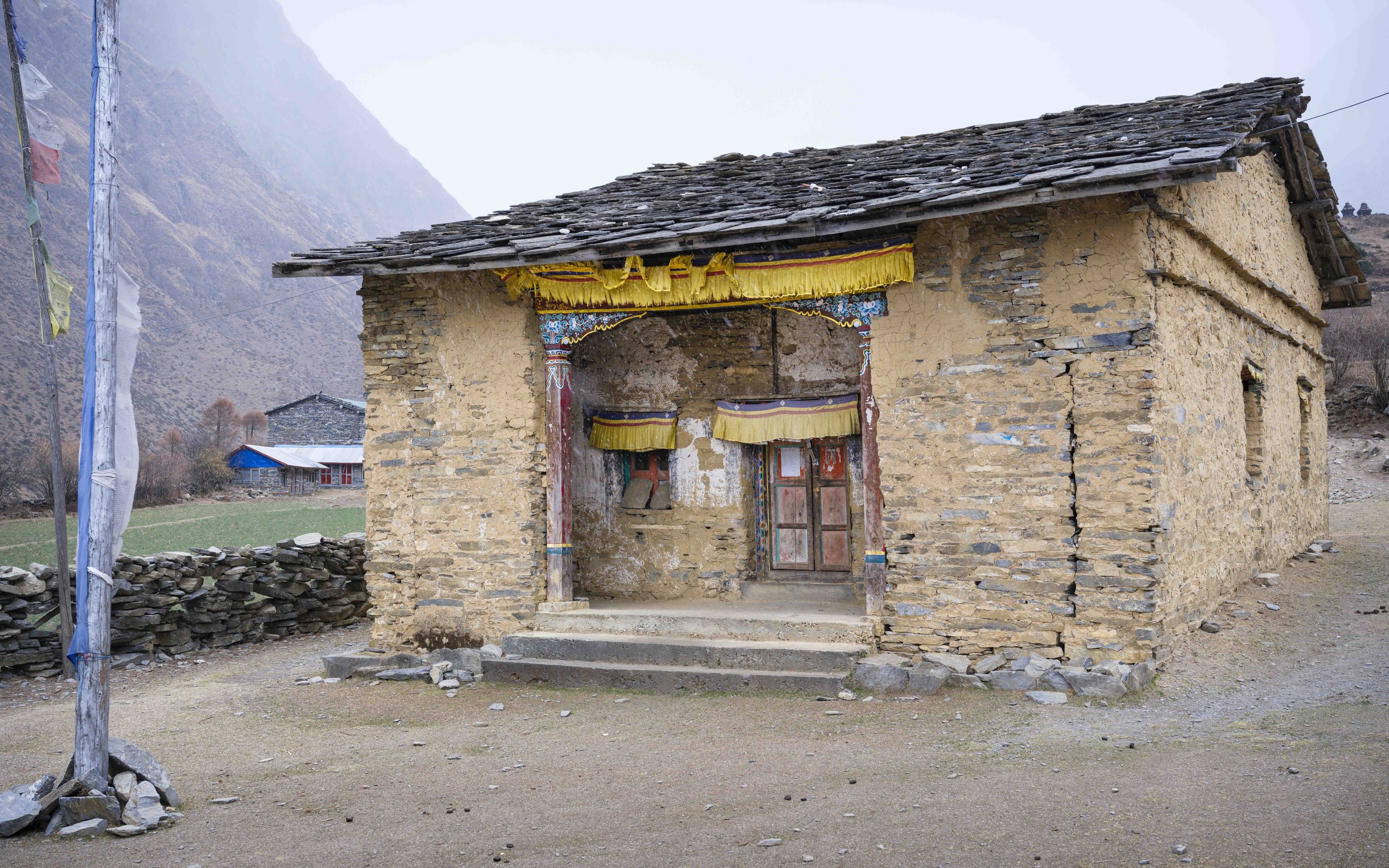
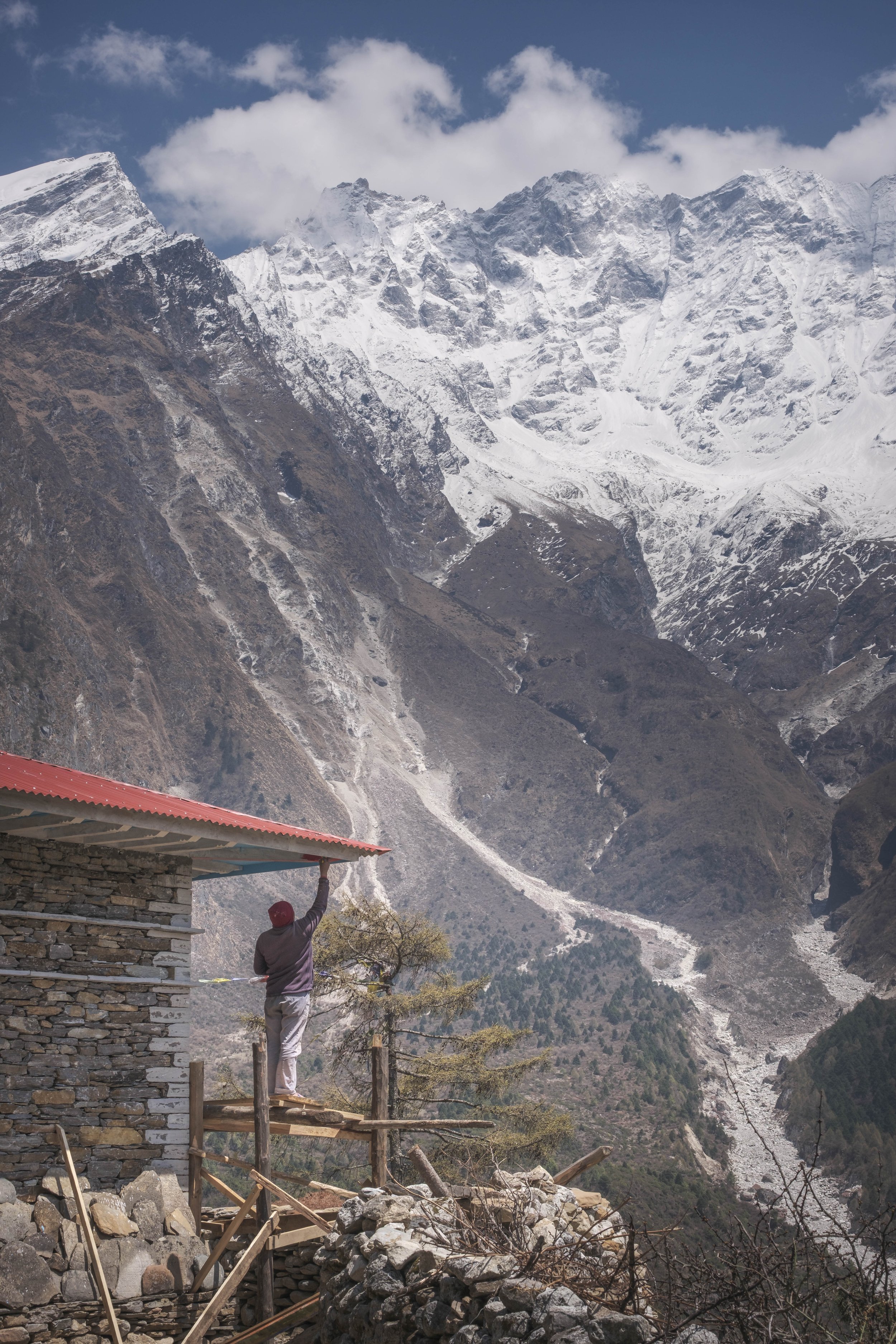
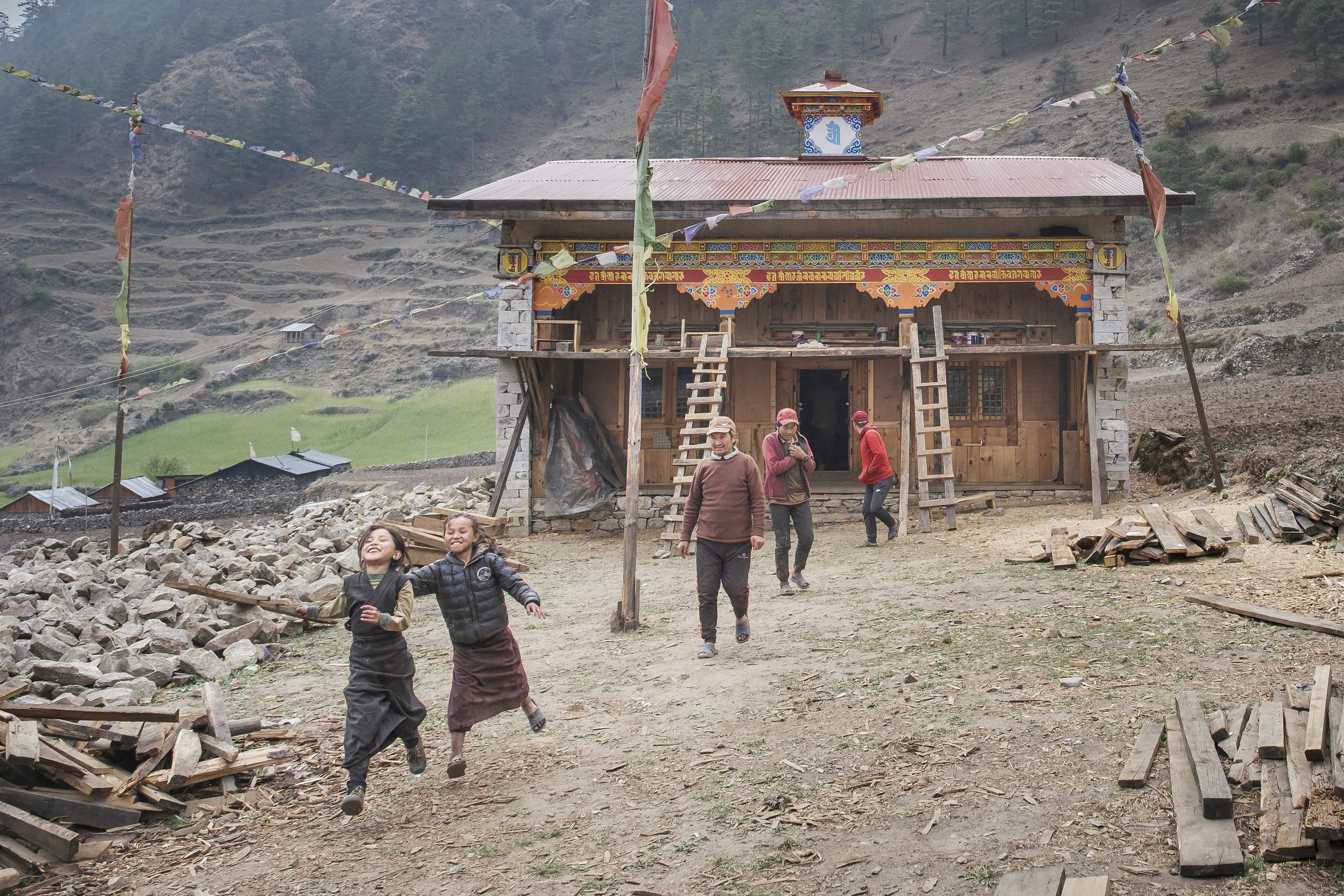
Tsum monasteries are historic and ancient. When one starts to deteriorate, such as when walls crack or the roof sags under weather and age, the community does not abandon it. Instead, they rebuild it, always on the original site and the same consecrated ground.
In both Buddhist and Hindu traditions, once a sacred site is consecrated, it becomes irreplaceable. It is no longer just architecture. It becomes an anchor, a fixed point of continuity in a landscape shaped by impermanence. Rebuilding on the same ground is not about nostalgia but a duty. It guarantees that memory, ritual, and belonging remain unbroken.
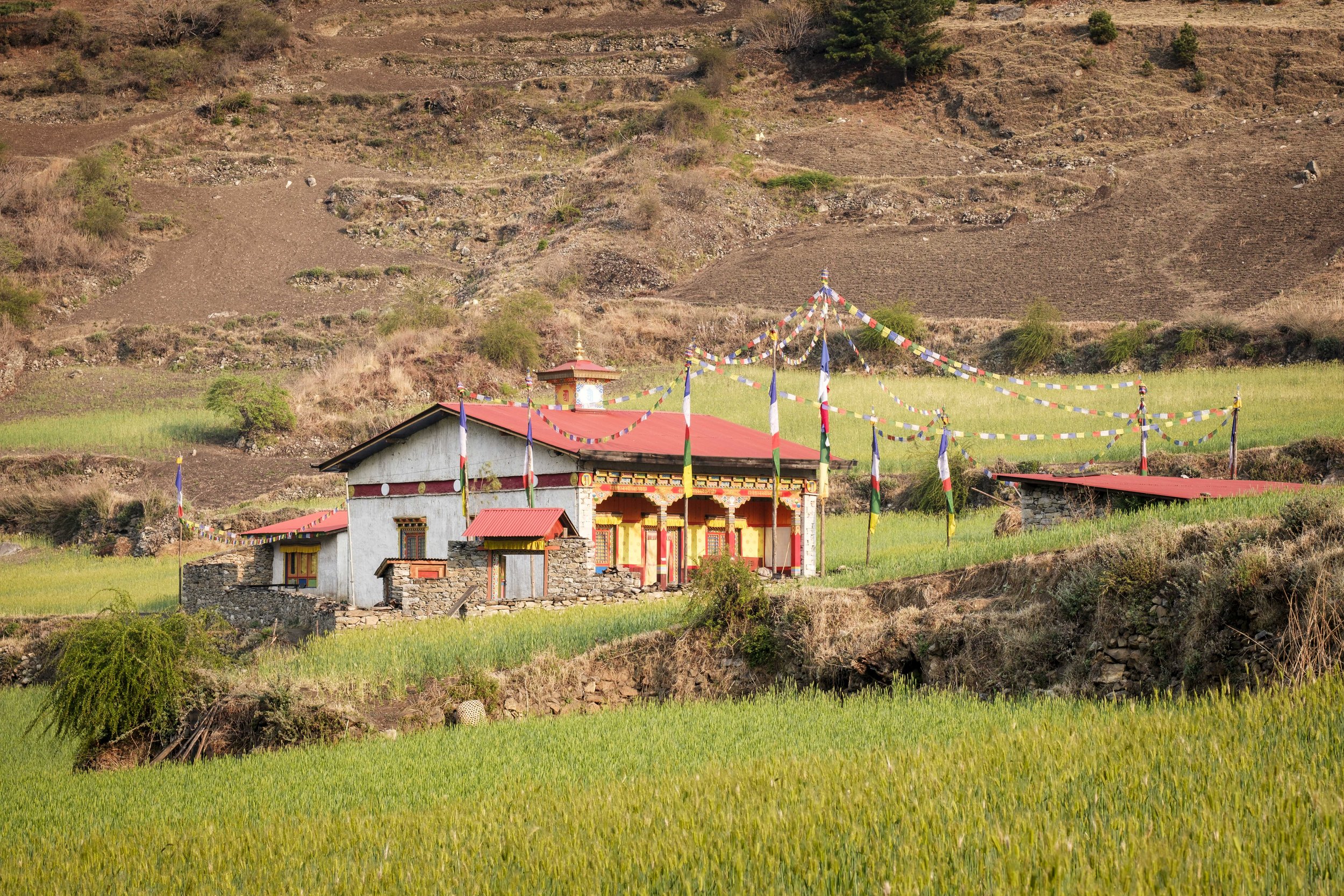
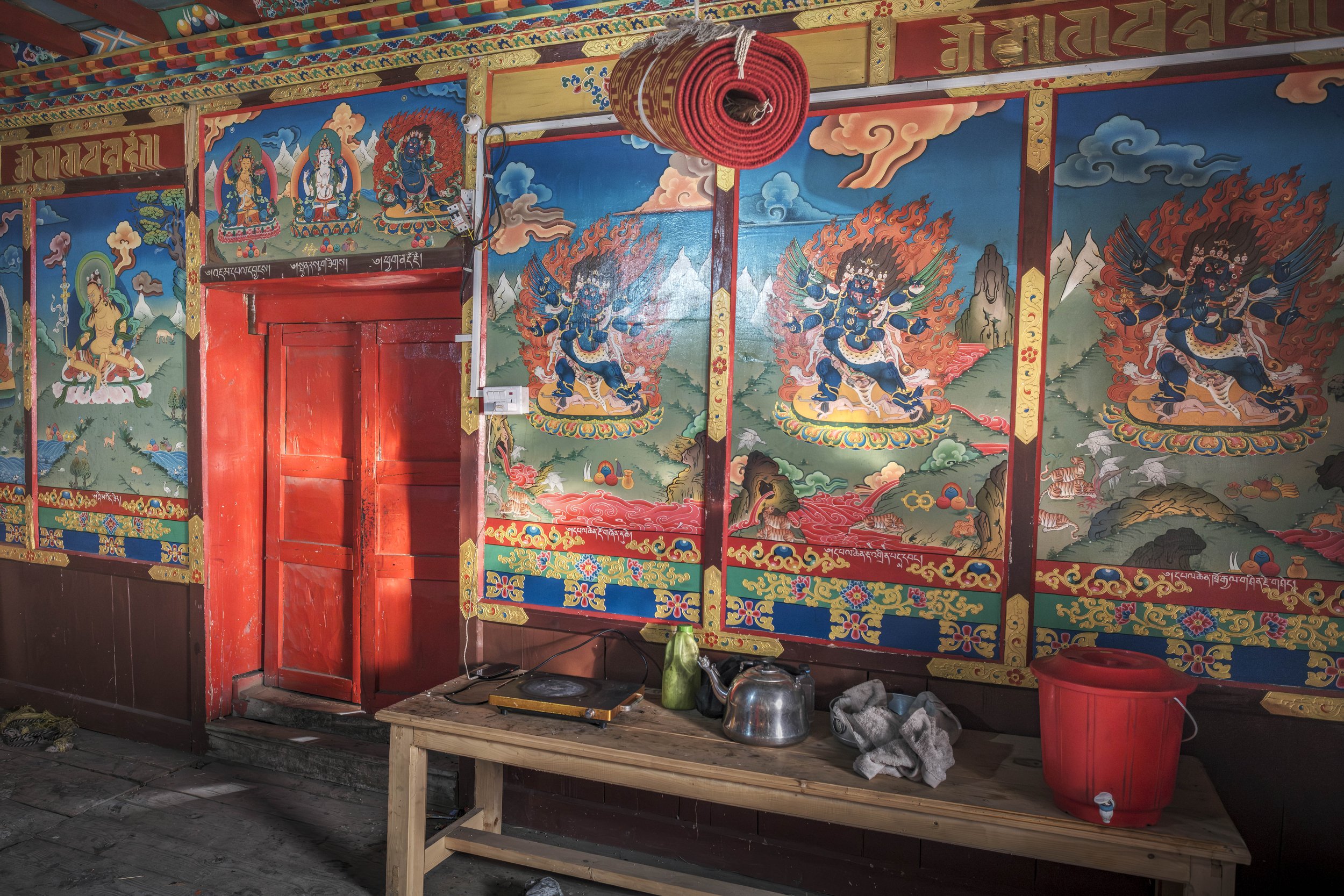
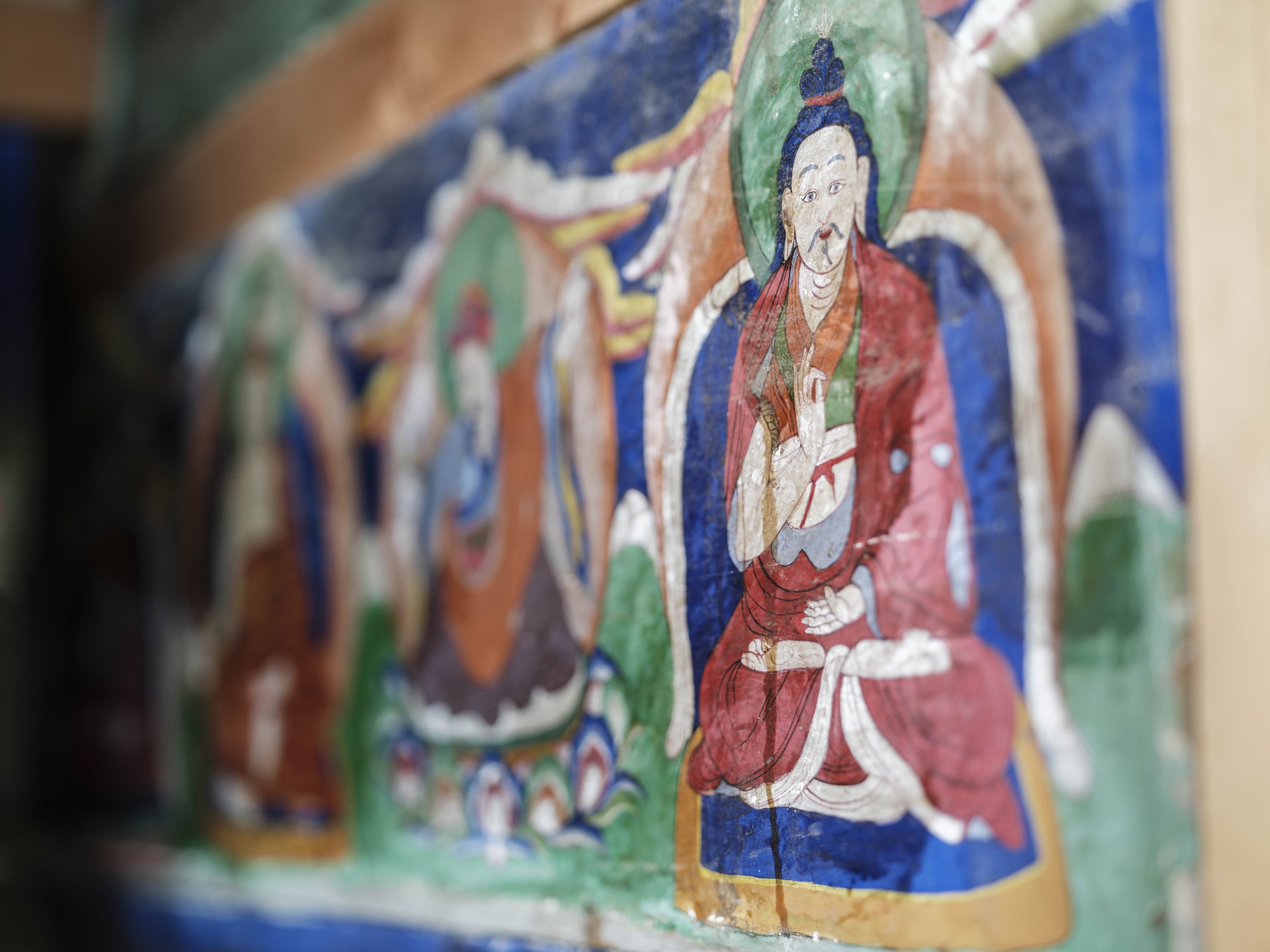
Rebuilding a monastery is more of a communal act than a simple construction project. It depends on shared knowledge rather than external experts. Elders guide the process, while artisans from nearby villages, such as Samagaun and Nubri, contribute with their chisels, pigments, and inherited skills. The work involves many people lifting stones together and preparing food collectively. Decisions are reached through discussion, making the process about more than just restoring a building; it symbolizes the renewal of interdependence. The rebuilding itself becomes a ritual, emphasizing that maintaining continuity takes collective effort.
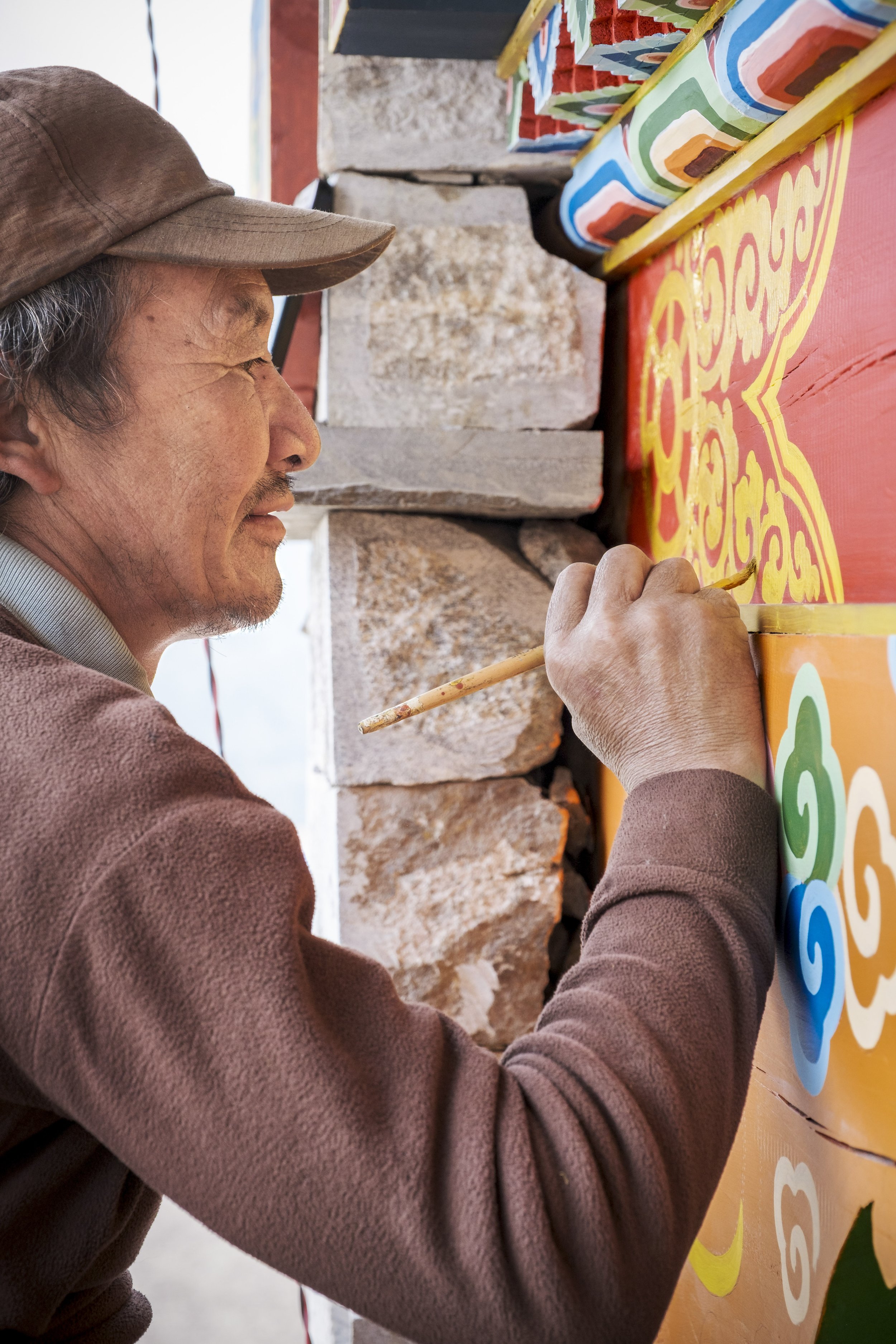
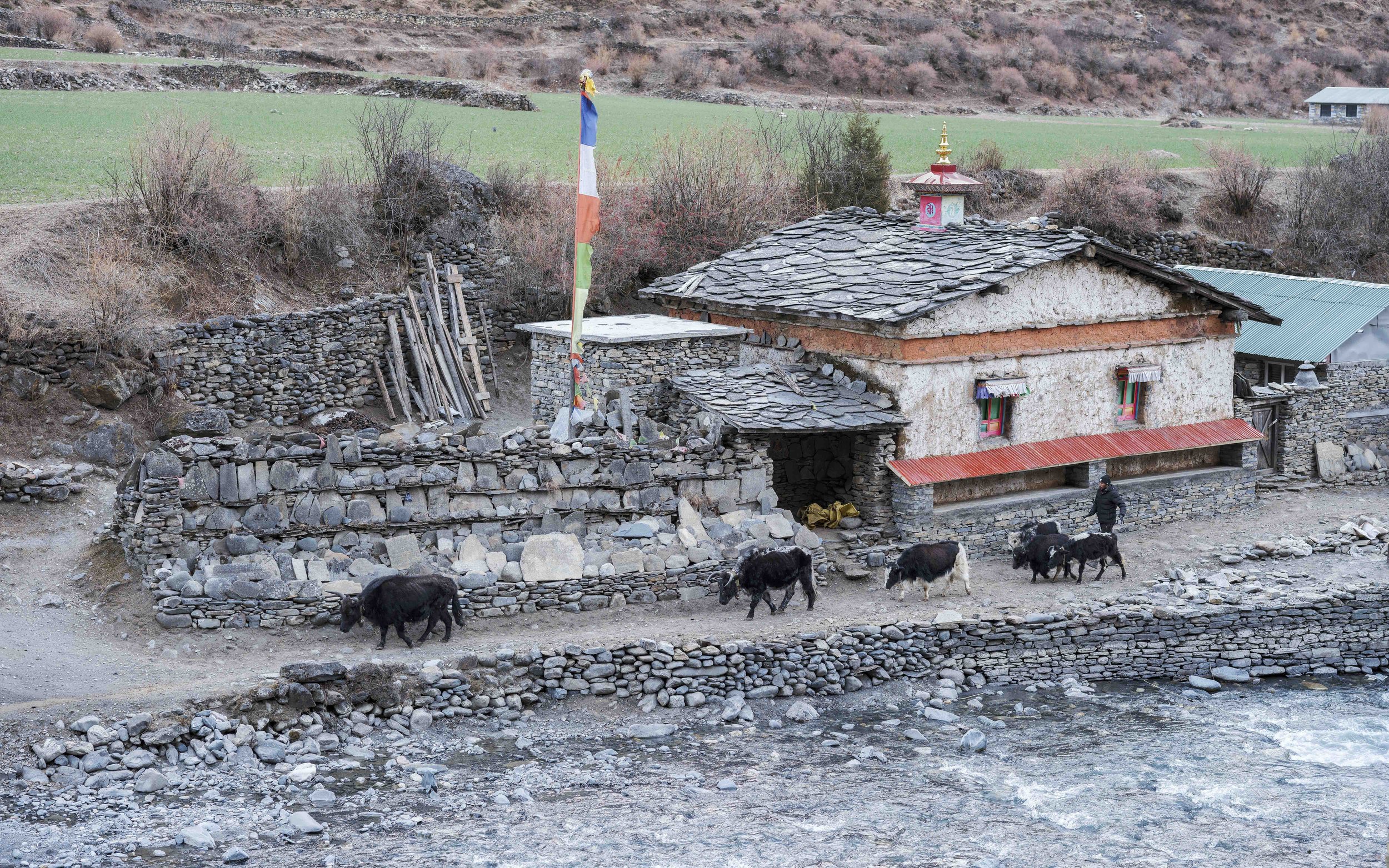
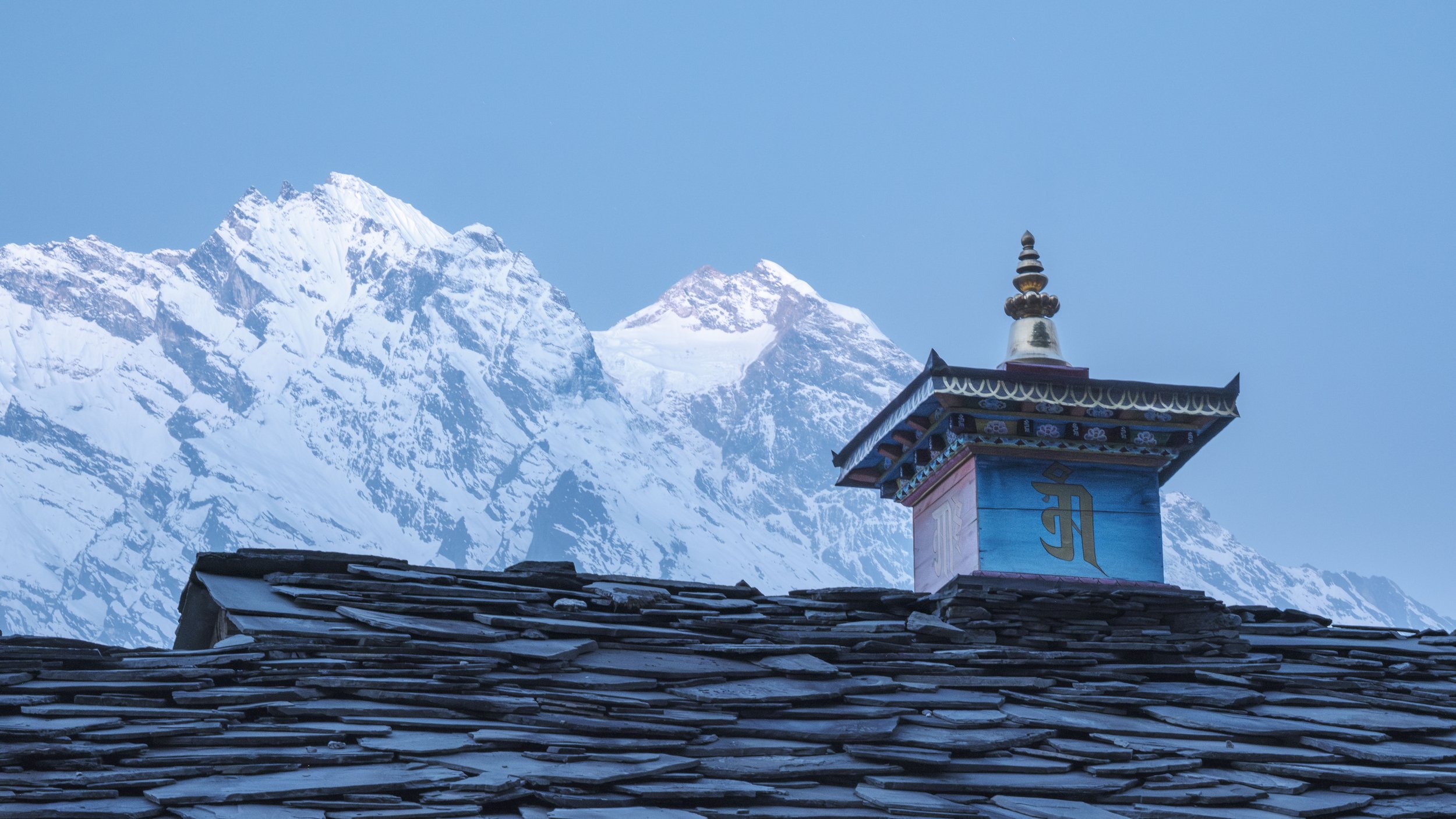
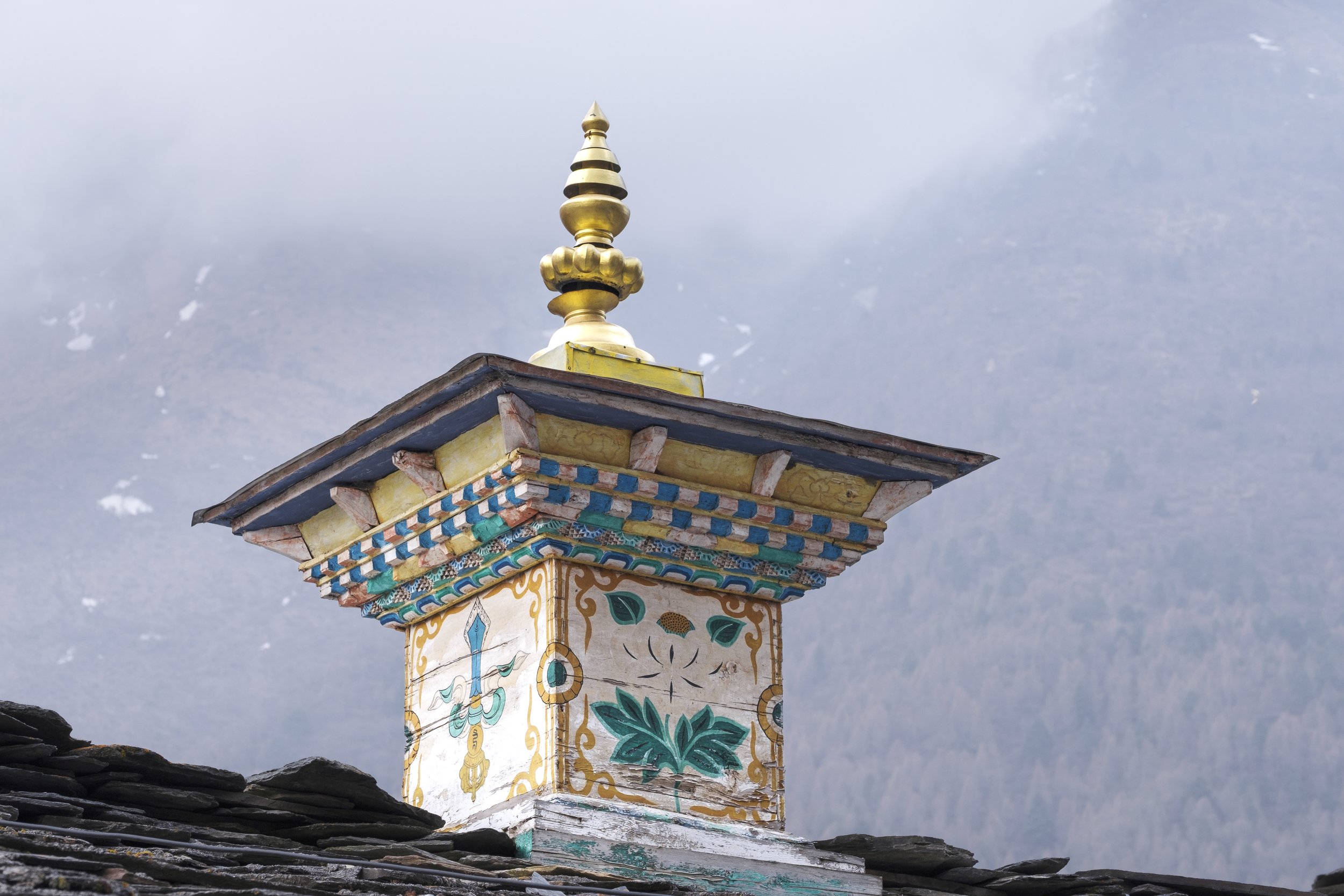
These monasteries may be modest in size, but their significance is profound. Sloped slate roofs ascend to small towers adorned with mantras and vibrant colors, topped with golden ornaments. From afar, these towers do more than indicate geography; they serve as navigational markers. They reveal your location, culturally and spiritually, and convey the nature of the place and the responsibilities expected of its inhabitants.
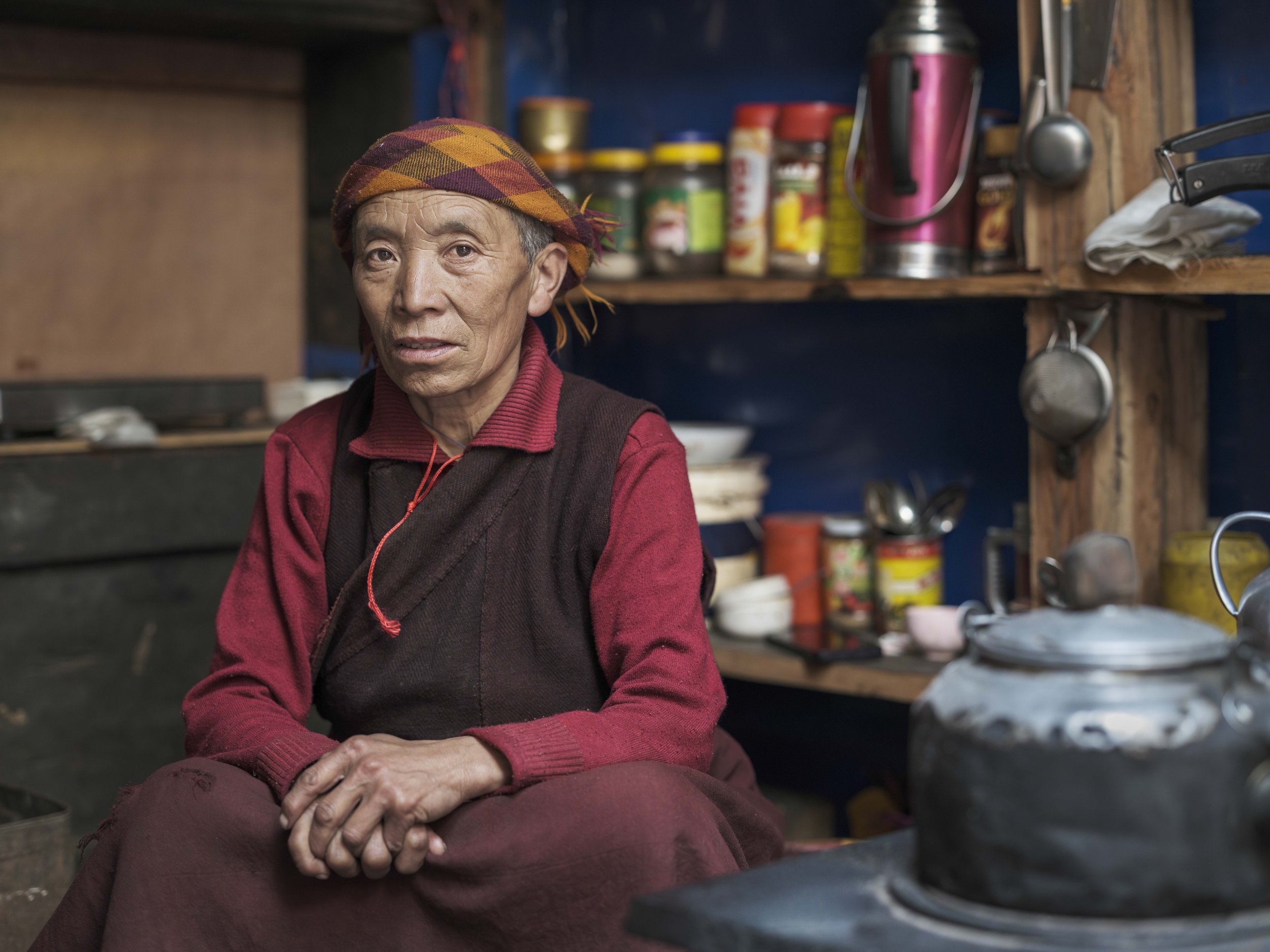
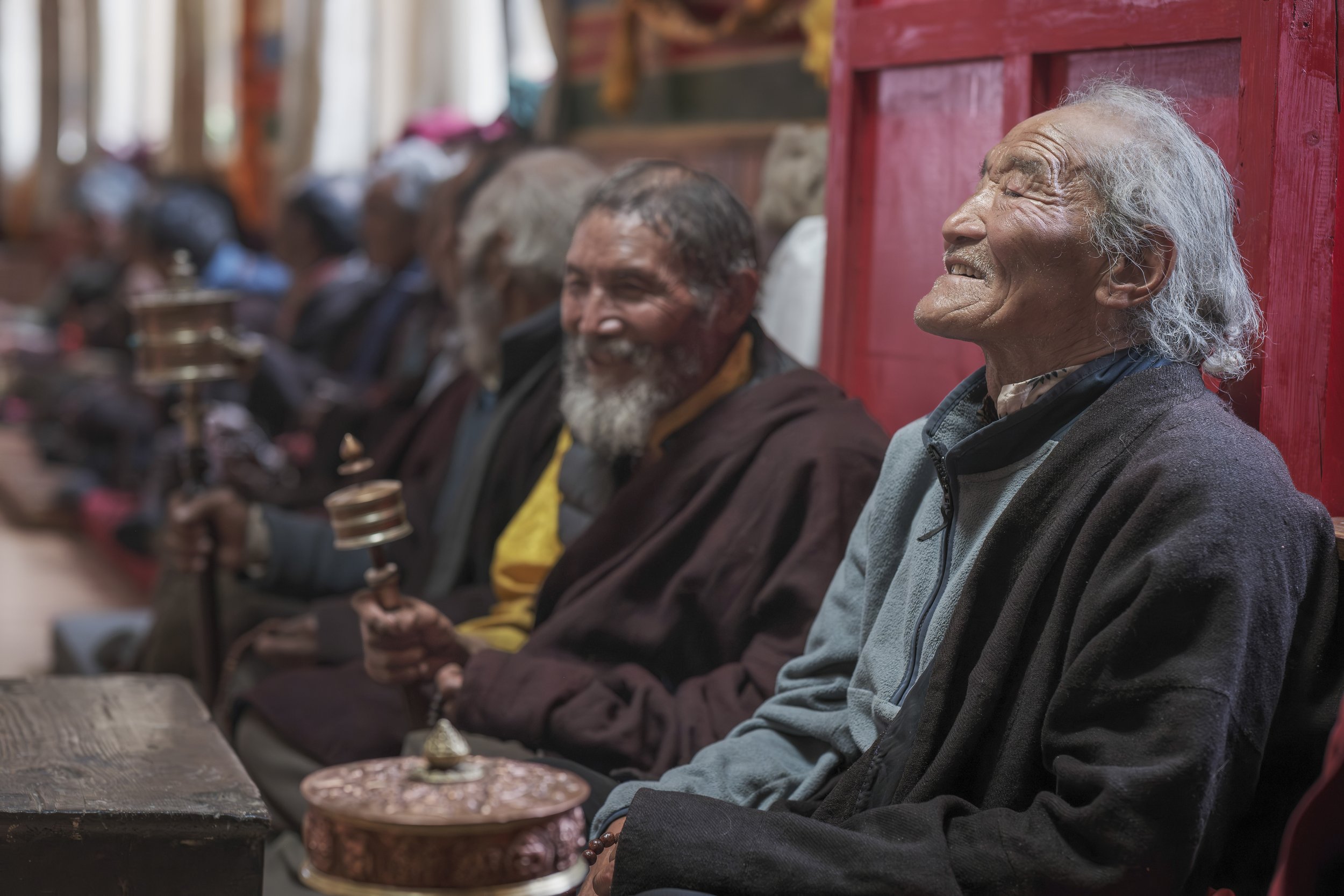
Every monastery is served by a caretaker, a role driven by devotion rather than payment. In isolated monasteries like Mu Gompa or Gompa Lungtang, caretakers lead lives of solitude and endurance. They herd yaks, gather firewood, repair windows, clean altars, and light butter lamps despite the cold. Many are elderly, with bent bodies, yet their dedication remains strong.
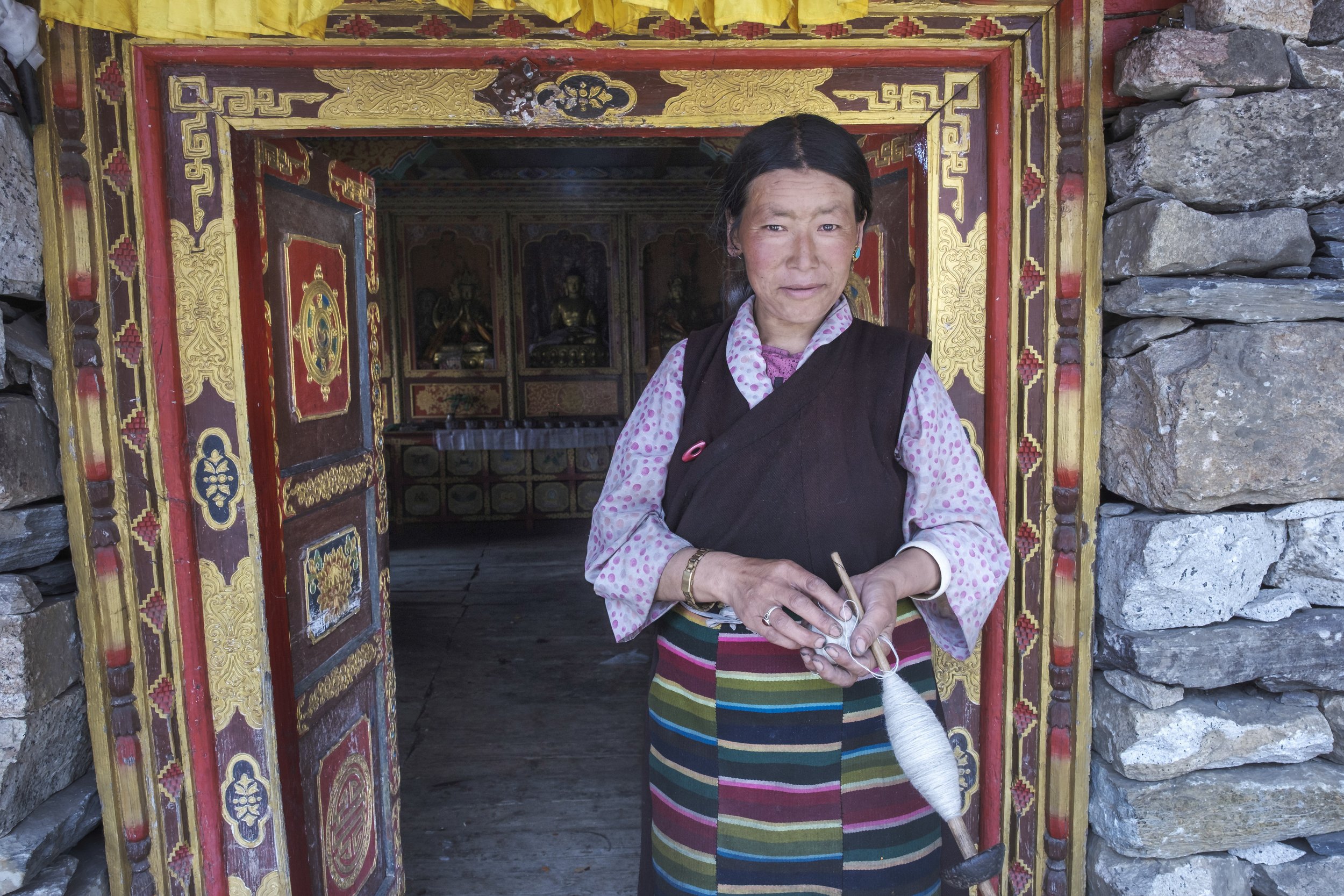
Most of the younger generation has moved away, either to Kathmandu or to India, or for livelihoods that offer stability without sacrifice. Consequently, the elders remain behind, serving as living extensions of the monasteries, preserving continuity through daily work rather than merely ceremonial rituals.
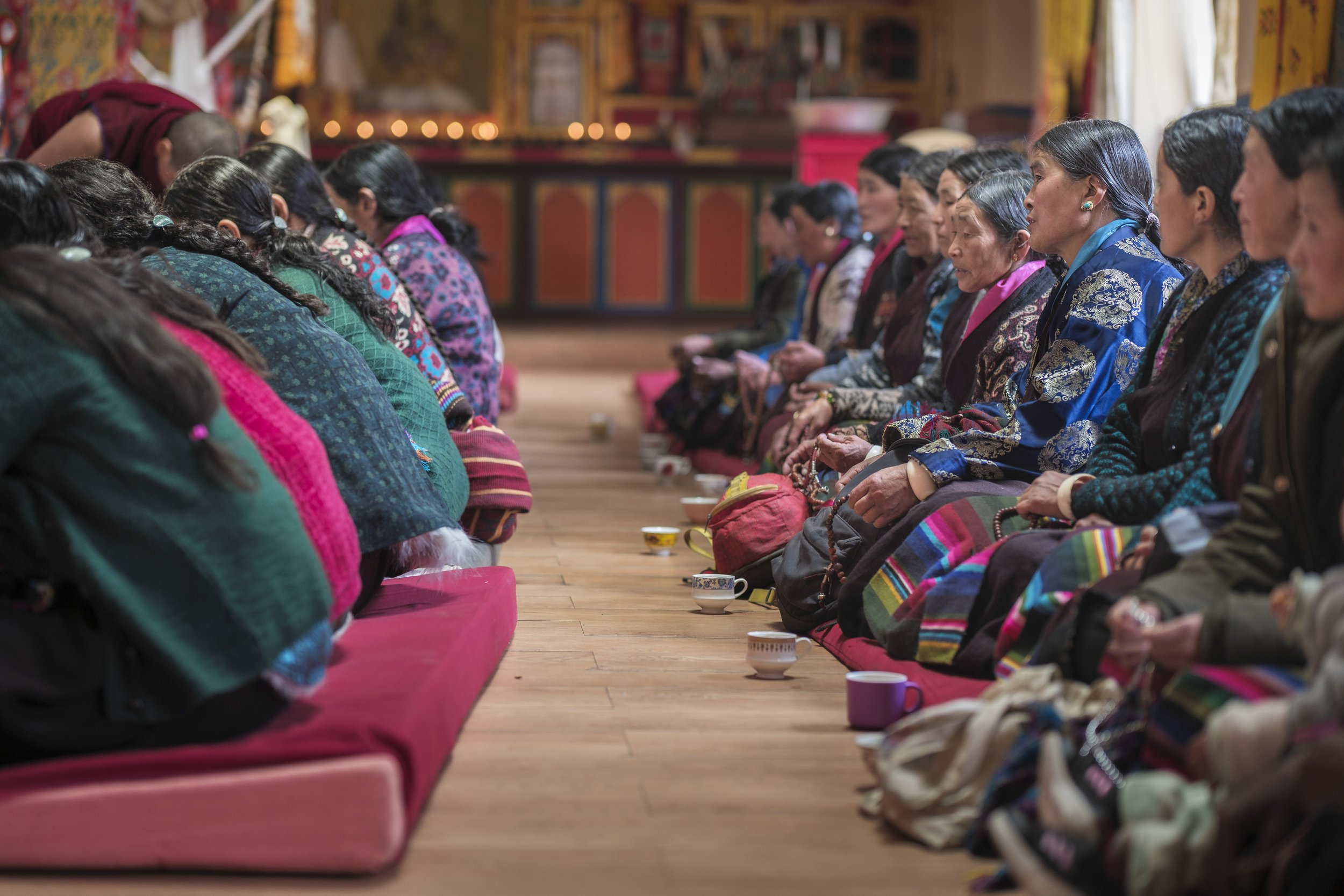
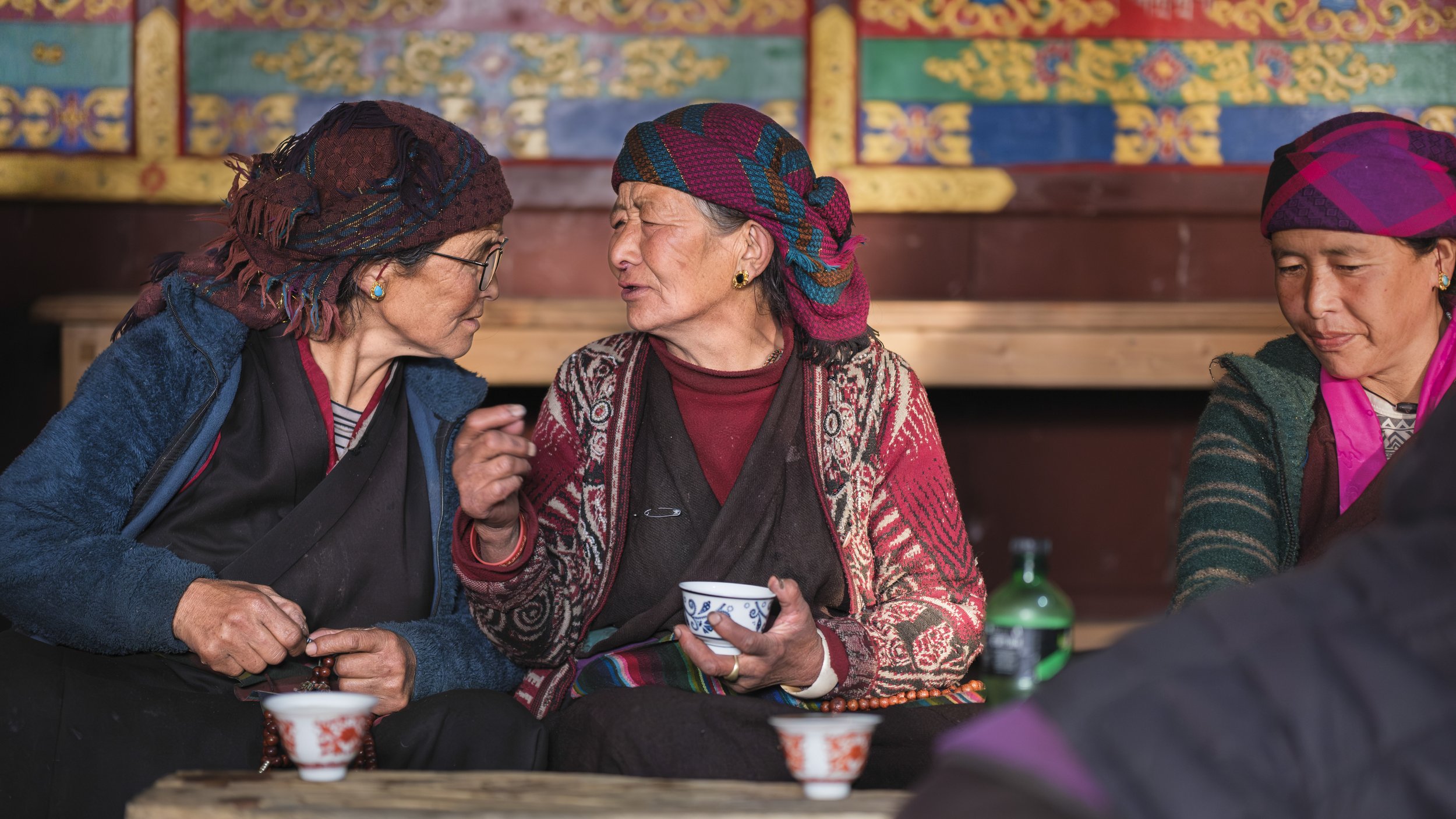
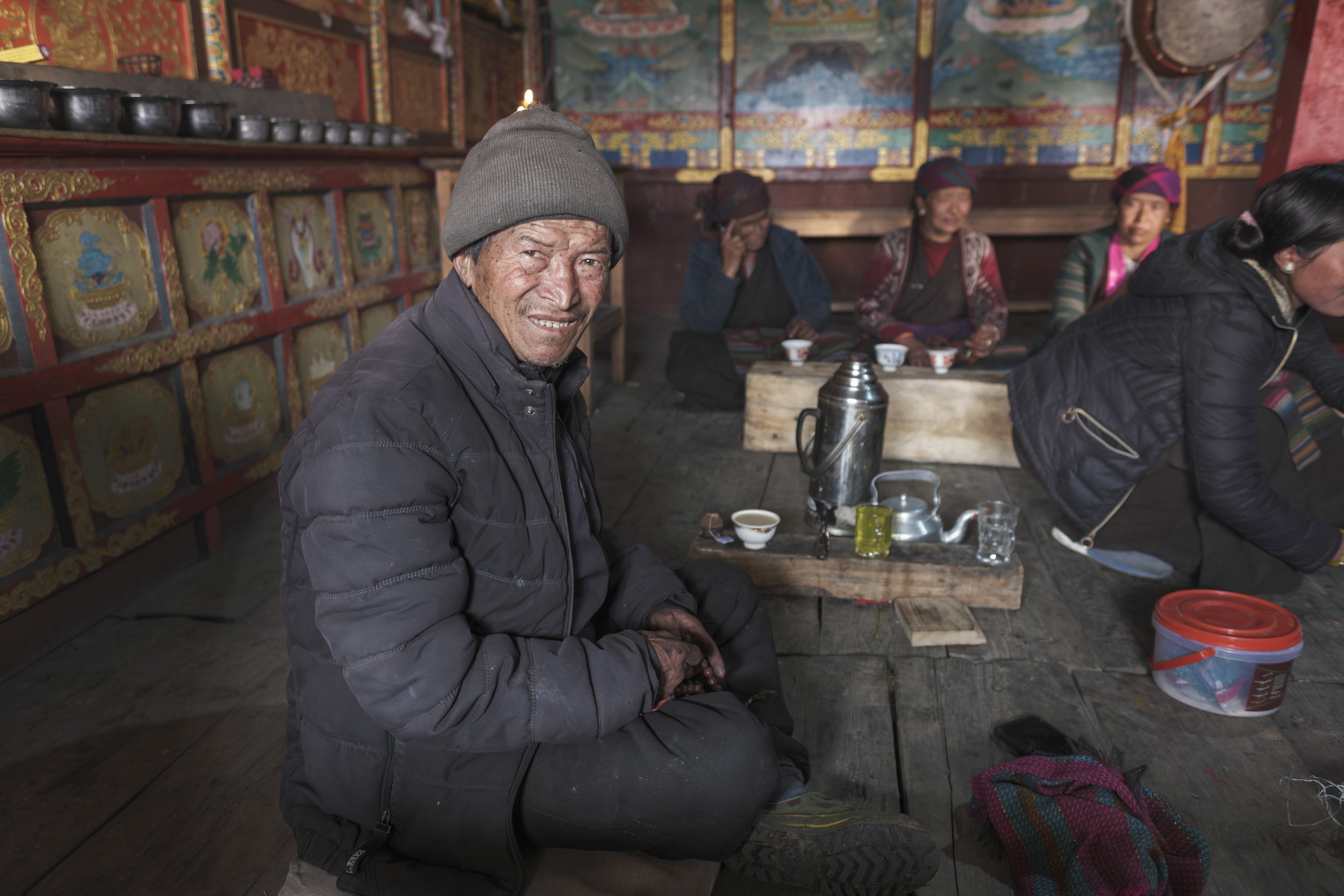
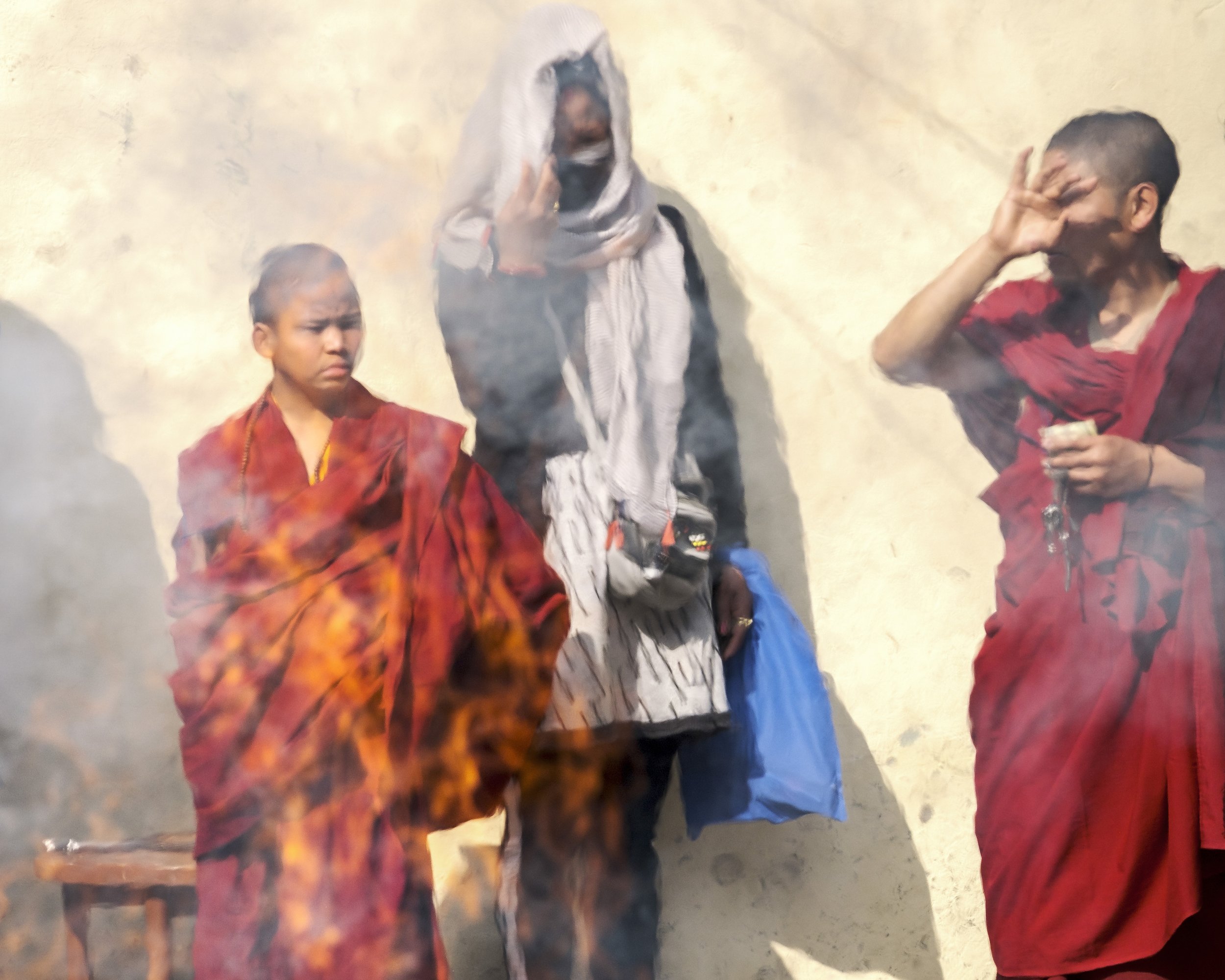
These monasteries come alive during major communal events. In April 2024, I witnessed one such special event at Rachen Nunnery, commemorating the first death anniversary of Zopa Rinpoche. The nunnery became a pilgrimage destination as people traveled for hours from the three Laprangs, Nak, Khangsar, and Nile (Tsum is divided into three regions, geographically and spiritually), to take part. During such moments, the monastery acts as a shared space, fostering a sense of belonging.
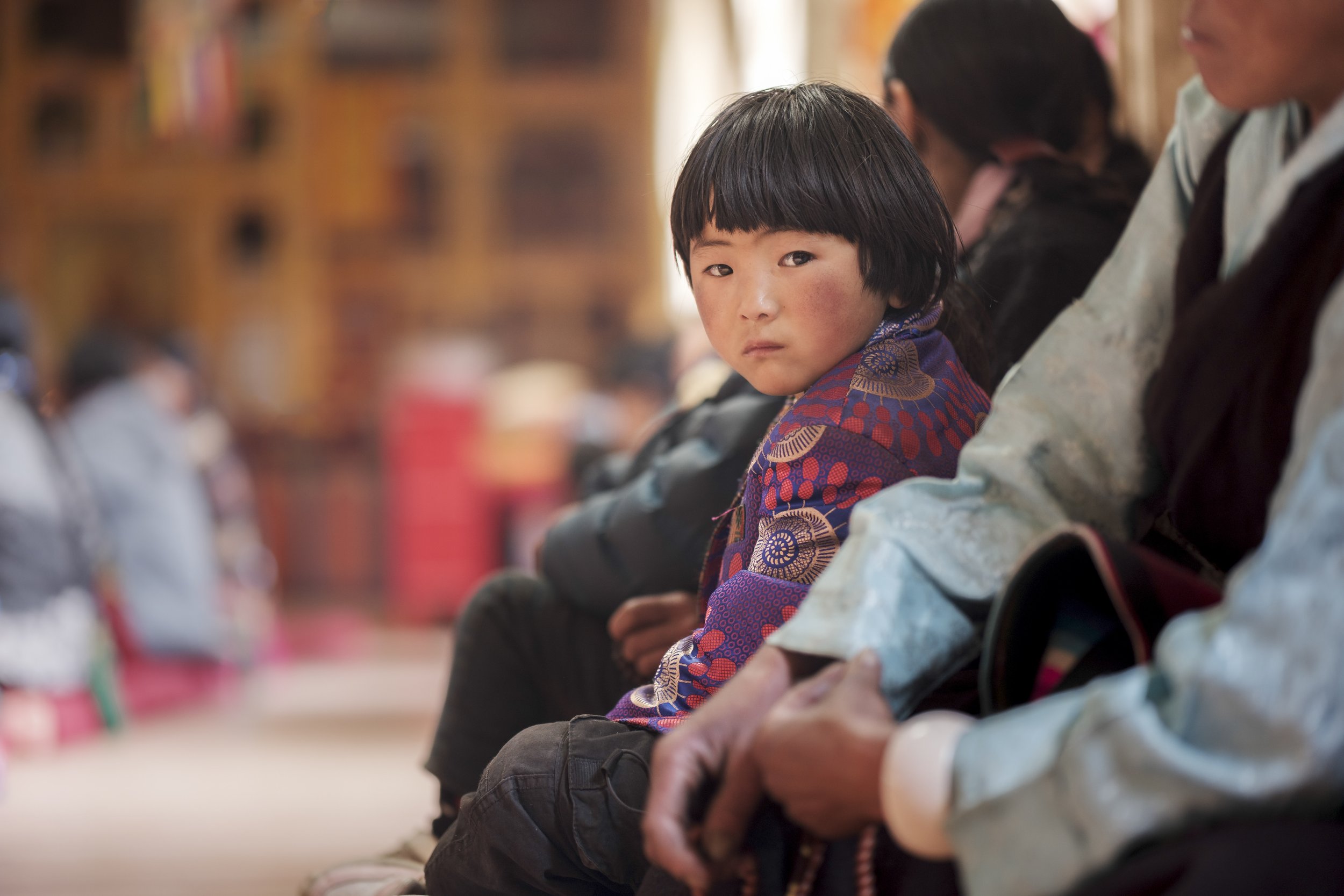
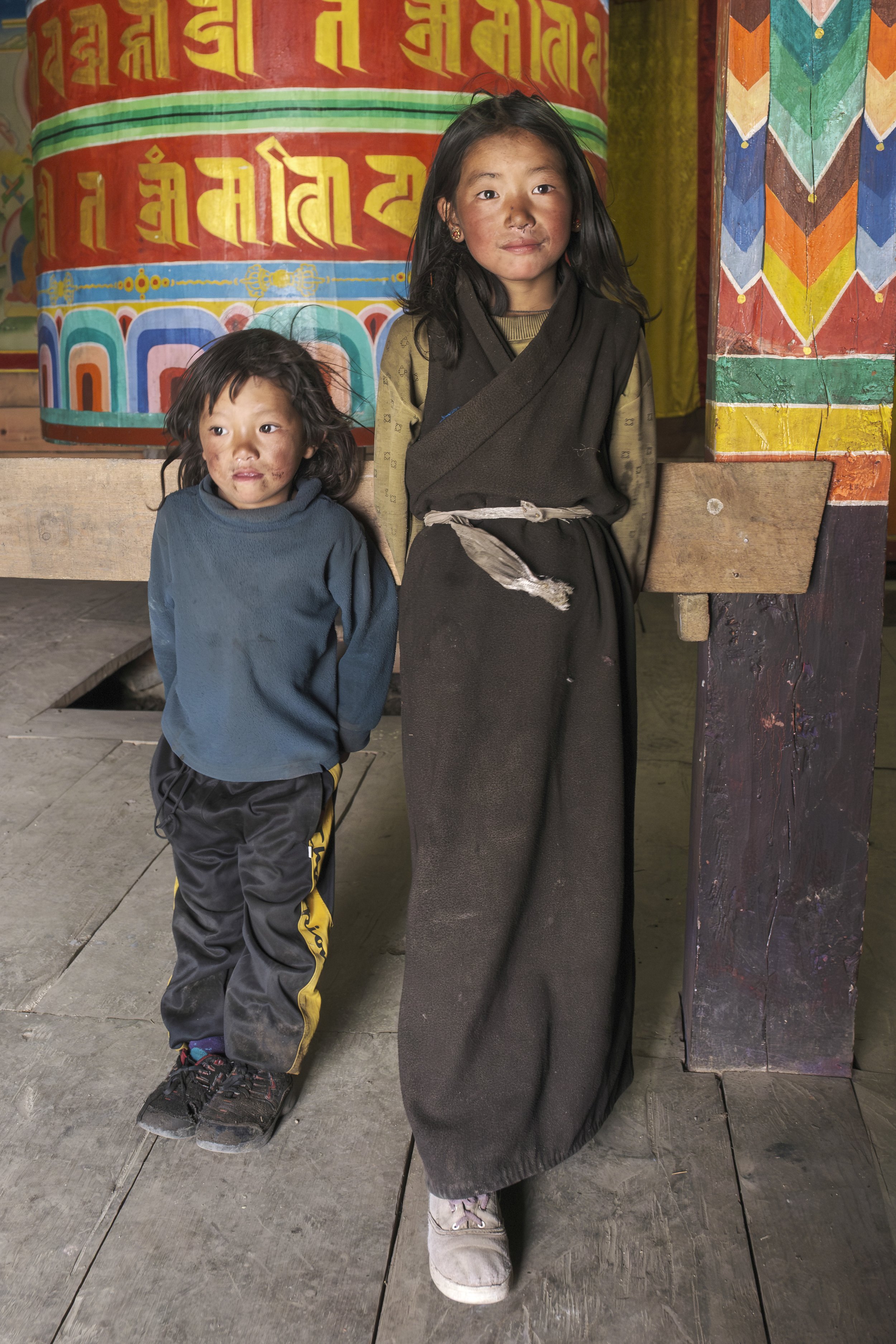
Before Tsum, I believed community was a thing of the past, something from a time without phones, convenience, or efficiency. But I realized something troubling in today’s world: isolation isn’t independence; it’s exile. While the modern age has perfected speed and specialization, it has also outsourced care. We now rely on systems where, in the past, people depended on each other. In Tsum, responsibility is shared rather than delegated. Care is inherent, not optional. Whether it's the mason stacking stones, the child offering incense, the woman brewing salt butter tea, or the artisan painting deities, everyone is involved. Community isn’t just a feeling here; it’s an active practice.
I often contemplate how our city life might change if we kept this perspective in mind. Envision responsibility being shared by all instead of being delegated to others. Think of care as an essential aspect of daily life, not merely an act of charity. In my view, helping the elderly or aiding the underprivileged is considered charity, but in communities like Tsum, it’s just the basic minimum. We tend to blame politics, economics, or climate change for the world's decline, but perhaps it’s actually falling apart because we've lost the genuine sense of belonging, confusing convenience with real connection.
Tsum offers an example rather than direct solutions. It doesn't prompt us to revisit the past but urges us to recognize what has been replaced and consider what can be restored. It reminds us that social cohesion depends not on efficiency or longevity, but on active participation. Maybe the shared roof symbolizes more than just shelter; perhaps it stands for community and ongoing connection. It reflects not perfection or independence but care and mutual commitment. Ultimately, it may be guiding us toward understanding how to simply be human.
The Shared Roof – Image Gallery ⟩